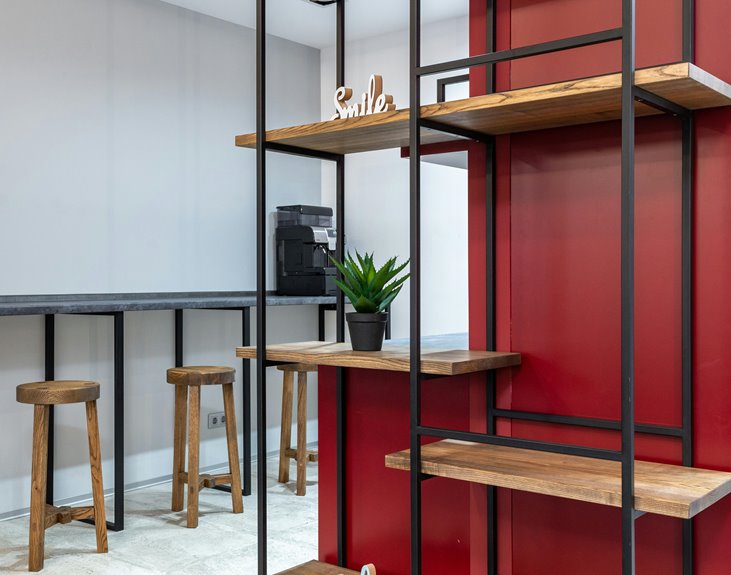
Yes, ergonomic desk stools can be the key to comfort in your home office. They support better posture and reduce discomfort, making long hours at your desk more manageable. With adjustable heights and built-in lumbar support, you’ll find the right fit for your body type. Plus, these stools encourage movement, keeping you alert and engaged. However, there are some potential drawbacks to contemplate, which you can learn about as you explore further.
Key Takeaways
- Ergonomic desk stools promote better posture and reduce discomfort, enhancing overall comfort during long work hours in your home office.
- They encourage movement and core engagement, which can improve circulation and keep you alert while working.
- Adjustable features like height and lumbar support allow for personalized fit, accommodating different body types and preferences.
- Their space-efficient design makes them ideal for smaller home offices, maximizing comfort without sacrificing space.
- Although they may require an adjustment period, the long-term benefits can outweigh the initial discomfort compared to traditional chairs.
Understanding Ergonomic Desk Stools
When you spend hours at your desk, understanding ergonomic desk stools becomes essential for your comfort and productivity. These stools are designed to support your posture and promote healthy alignment while you work.
Look for features like adjustable height, seat depth, and back support, which allow you to customize the stool to fit your body. A well-designed ergonomic stool encourages movement, enabling you to shift positions easily throughout the day.
Pay attention to materials, too; breathable fabrics can enhance comfort during long hours. Additionally, a stable base prevents wobbling, giving you confidence in your seating.
Benefits of Using Ergonomic Stools
Using ergonomic stools can greatly enhance your workspace experience, as they promote better posture and reduce the risk of discomfort.
When you sit in an ergonomic stool, you’ll likely notice less strain on your back and neck, allowing you to focus on your tasks. These stools encourage movement, which helps improve circulation and keeps you alert throughout the day.
Additionally, many ergonomic stools are designed to accommodate different body types, providing personalized support that traditional chairs often lack.
You’ll also find that they take up less space, making them perfect for smaller home offices.
Key Design Features to Look For
To guarantee you choose the right ergonomic stool for your workspace, it’s essential to look for key design features that enhance comfort and support.
Here are three vital elements to take into account:
- Adjustable Height: A stool with adjustable height helps you find the perfect position for your desk, promoting better posture and reducing strain.
- Lumbar Support: Look for stools that offer built-in lumbar support. This feature will help maintain the natural curve of your spine, preventing discomfort during long hours of sitting.
- Comfortable Padding: Opt for stools with high-density foam or breathable fabric. This guarantees you stay comfortable throughout your workday, minimizing fatigue.
Comparing Ergonomic Stools to Traditional Chairs
While both ergonomic stools and traditional chairs serve the purpose of providing seating, they differ greatly in design and functionality.
Ergonomic stools promote active sitting, allowing you to engage your core muscles and maintain better posture. They often feature adjustable heights and minimalistic designs, encouraging movement and flexibility.
Ergonomic stools encourage active sitting, enhancing core engagement and posture with their adjustable heights and sleek designs.
On the other hand, traditional chairs usually offer more cushioning and back support, which can feel comfortable for long periods. However, they may promote a sedentary lifestyle that can lead to discomfort over time.
If you’re looking for a more dynamic and health-conscious option, ergonomic stools might be your best bet. Consider your work habits and comfort preferences when choosing the right seating for your home office.
How to Incorporate an Ergonomic Stool Into Your Setup
Choosing an ergonomic stool can considerably enhance your workspace, but knowing how to integrate it into your setup is just as important.
Start by positioning your stool at the right height. Your feet should rest flat on the ground, promoting stability and comfort.
Next, adjust your desk to guarantee your elbows remain at a 90-degree angle while typing. This alignment prevents strain on your shoulders and wrists.
Finally, incorporate a footrest if needed. This can help alleviate pressure from your legs, especially during longer sitting sessions.
Potential Drawbacks of Ergonomic Desk Stools
Although ergonomic desk stools offer numerous benefits, they do come with some potential drawbacks.
First, you may find that adjusting to a stool takes time; it can feel awkward initially if you’re used to a traditional chair. Additionally, prolonged use might lead to discomfort in your legs or lower back due to the position they encourage.
Some stools don’t provide enough lumbar support, which can be a problem if you sit for long periods. You might also notice that certain models are less stable, increasing the risk of tipping over.
Finally, ergonomic desk stools can be pricier than standard options, which mightn’t fit everyone’s budget. Weighing these factors is essential before making a decision.
Personalizing Your Ergonomic Experience
To create a comfortable and effective workspace, personalizing your ergonomic experience is crucial.
Tailoring your setup helps reduce discomfort and boosts productivity. Here are three ways to customize your ergonomic desk stool:
- Adjust Height: Verify your stool’s height aligns with your desk. Your feet should touch the ground, promoting better circulation and posture.
- Add Cushions: Use seat cushions for extra support. This can alleviate pressure on your hips and lower back, making long hours more bearable.
- Incorporate Footrests: A footrest can provide additional support and improve your posture. It allows you to shift your weight and maintain comfort throughout the day.
Frequently Asked Questions
How Do Ergonomic Stools Affect Posture Over Long Periods?
Ergonomic stools promote better posture by encouraging you to sit up straight and engage your core. Over long periods, they reduce strain on your back and neck, enhancing comfort and productivity during work sessions.
Can Ergonomic Stools Accommodate All Body Types?
Yes, ergonomic stools can accommodate various body types. They often feature adjustable heights and supports, allowing you to customize the fit. Finding the right stool guarantees you maintain comfort and proper posture during long hours of sitting.
Are There Specific Brands Known for High-Quality Ergonomic Stools?
When choosing ergonomic stools, look for reputable brands like Herman Miller, Steelcase, and Varier. They’re known for their quality and support, ensuring you’ll find a comfortable option that suits your specific needs and body type.
How Do I Clean and Maintain My Ergonomic Stool?
To clean and maintain your ergonomic stool, regularly wipe it down with a damp cloth, avoid harsh chemicals, and check for loose screws. Keeping it clean helps guarantee longevity and comfort during your work hours.
What Is the Average Lifespan of an Ergonomic Desk Stool?
The average lifespan of an ergonomic desk stool typically ranges from 5 to 10 years, depending on usage and maintenance. You’ll want to regularly check for wear and tear to guarantee long-lasting comfort.