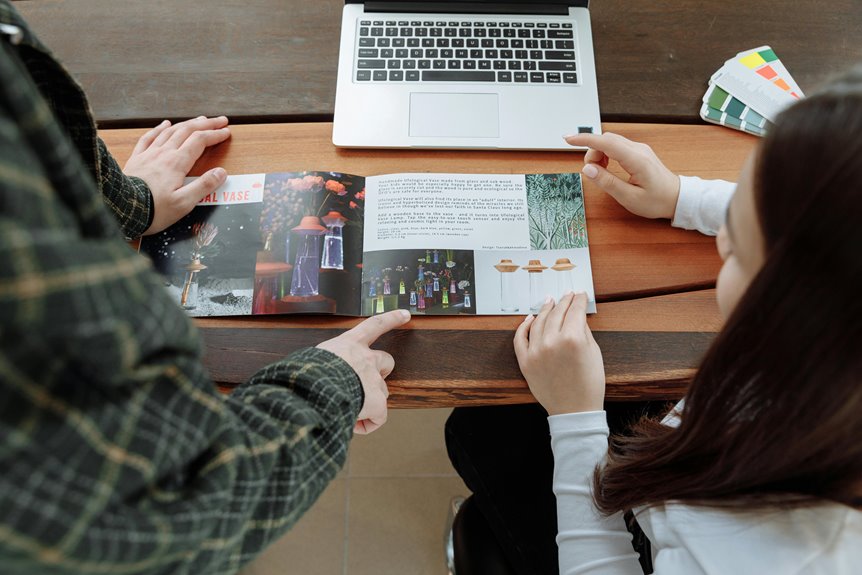
Yes, there are universally “unproductive” colors you should avoid. Bright or harsh colors can distract, while dark shades often evoke sadness and lethargy. Gray may create a dull atmosphere, reducing motivation. Even yellow can be tricky; it sparks creativity but can cause anxiety if overused. Striking a balance between energetic and calming colors is key to a conducive workspace. You might discover which colors work best for your environment if you explore further.
Key Takeaways
- Overly bright or harsh colors can cause distraction and hinder focus, making them less suitable for productive environments.
- Dark colors may evoke feelings of sadness and lethargy, negatively impacting motivation and productivity.
- Clashing colors create visual chaos, which can disrupt concentration and lead to unproductive workspaces.
- Gray can induce a sense of dullness and lethargy, diminishing energy levels and hindering productivity.
- While neutral colors promote calmness, they may lack stimulation, potentially leading to a less engaging work environment.
The Psychology of Color: How It Affects Productivity
When you think about how colors influence your mood and behavior, it’s clear they play a significant role in productivity. Certain colors can either energize you or drain your focus.
For instance, while blue promotes calm and concentration, shades like gray or brown can evoke feelings of dullness and stagnation. If you’re working on a project that demands creativity, avoiding overly muted colors is vital, as they might stifle your inspiration.
Bright colors, like yellow, can stimulate enthusiasm, but too much can lead to distraction. Choosing the right color environment is essential; it can enhance your efficiency or hinder your progress.
Consider your workspace colors carefully to foster a productive atmosphere that aligns with your goals.
The Impact of Color on Mood and Motivation
Colors can considerably shape your mood and motivation, often influencing your emotional state in subtle yet powerful ways.
When you choose colors for your workspace or personal space, consider how they might affect you. Here are three key colors to keep in mind:
- Red: Can evoke strong emotions and spur energy, but may also lead to stress if overused.
- Yellow: Often associated with happiness and optimism, it can boost creativity and encourage communication.
- Green: Known for its calming effects, it promotes balance and can help reduce feelings of anxiety.
Understanding these impacts can help you create an environment that enhances your motivation, making it easier to focus and achieve your goals.
Choose wisely!
Shades of Blue: Calming Yet Potentially Distracting
Shades of blue can create a calming atmosphere, making you feel relaxed and at ease.
However, if you’re not careful, this soothing effect can also lead to distraction, impacting your focus.
Let’s explore how blue influences your mood and productivity.
Psychological Effects of Blue
Although blue often evokes feelings of calm and tranquility, its varying shades can also lead to distraction if not chosen wisely.
When considering blue for your space, keep these psychological effects in mind:
- Light Blue: This shade promotes peace, making it perfect for relaxation areas, but it might also render you a bit lethargic.
- Royal Blue: Strong and vibrant, it can inspire confidence; however, it might overwhelm, causing anxiety if overused.
- Navy Blue: Deep and sophisticated, it creates a sense of stability but can feel heavy and stifling in excess.
Blue’s Impact on Focus
When it comes to enhancing focus, the impact of blue can be a double-edged sword. On one hand, light shades of blue create a calming atmosphere, promoting relaxation and reducing stress. This tranquility can help you concentrate better, especially in environments where anxiety might hinder your productivity.
However, deeper shades of blue might evoke feelings of sadness or distraction, potentially pulling your attention away from tasks. The key is to find the right balance. If you’re working on something that requires deep focus, opt for softer blues to maintain a serene environment.
Conversely, if you notice your mind wandering, consider switching to warmer colors that energize and stimulate your brain instead. Understanding blue’s nuances will help you maximize your productivity.
The Dangers of Excessive Red in Workspaces
While red can energize a space, excessive use of this color in work environments can lead to heightened stress and anxiety. You might find that a workspace dominated by red creates an overwhelming atmosphere, which can hinder productivity.
Here are some potential pitfalls of using too much red:
- Increased Aggression: Red can stir up strong emotions, making conflicts more likely among team members.
- Distraction: A vibrant red environment may draw attention away from tasks, making it harder to concentrate.
- Fatigue: Prolonged exposure to red can lead to feelings of burnout, as the stimulating effect wears you down.
To maintain a balanced workspace, consider using red sparingly and pairing it with calming colors to offset its intensity.
Yellow: The Double-Edged Sword of Creativity
Yellow can spark creativity, but it can also overwhelm your senses.
In workspaces, this vibrant color might inspire fresh ideas while simultaneously causing anxiety or distraction.
It’s essential to find the right balance to harness yellow’s potential without letting it become a hindrance.
Psychological Effects of Yellow
Though often associated with sunshine and warmth, yellow can have a paradoxical impact on creativity. While it can stimulate enthusiasm and energy, it can also lead to feelings of anxiety and over-stimulation.
Here are some psychological effects you should consider:
- Increased Alertness: Yellow grabs your attention, making you more aware of your surroundings and inspiring fresh ideas.
- Emotional Fluctuations: Its brightness can evoke joy but also trigger irritability or frustration when overused.
- Enhanced Memory: Yellow is known to enhance memory retention, which can be beneficial for brainstorming sessions.
Knowing how yellow affects your mindset can help you harness its power effectively, ensuring it boosts rather than hinders your creative process.
Yellow in Workspaces
Incorporating yellow into your workspace can be a double-edged sword when it comes to fostering creativity. While yellow is known to stimulate mental activity and enhance mood, too much can lead to feelings of anxiety or frustration. Striking the right balance is key.
Here’s a quick overview of yellow’s benefits and drawbacks:
| Pros | Cons |
|---|---|
| Boosts creativity | Can cause eye strain |
| Enhances optimism | May induce anxiety |
| Stimulates communication | Overstimulation possible |
| Increases energy levels | Can be distracting |
| Encourages innovation | Might lead to irritability |
Consider using yellow as an accent color rather than the dominant hue. This way, you can enjoy its positive effects without overwhelming your senses.
Gray and Its Effect on Energy Levels
While you might appreciate the sleekness of gray, it can greatly affect your energy levels. This neutral color can often create a sense of dullness or lethargy in your environment, which may hinder your productivity.
The sleekness of gray may undermine your energy, fostering an environment that feels dull and unproductive.
Here are a few ways gray impacts your mood and energy:
- Mood Dampening: Gray can evoke feelings of sadness or boredom, leading to decreased motivation.
- Lack of Stimulation: Its subdued nature may fail to inspire creativity, making tasks feel monotonous.
- Overwhelming Neutrality: Too much gray can create an unwelcoming atmosphere, making it hard to feel energized.
If you want to maintain vibrant energy in your space, consider balancing gray with more stimulating colors.
Choosing the Right Color Palette for Your Environment
When selecting a color palette for your environment, it’s essential to contemplate how different hues can influence your mood and productivity.
Warm colors like reds and oranges can energize and inspire creativity, while cooler tones like blues and greens promote calmness and focus.
Consider the function of each space; for a home office, you might opt for a vibrant yellow to spark innovation, while a bedroom could benefit from soothing pastel shades to encourage relaxation.
You don’t have to stick to conventional choices, either. Mixing bold colors with neutrals can create a balanced atmosphere.
Always test samples in your space to see how they interact with natural light.
Ultimately, choose colors that resonate with you and make you feel your best.
Frequently Asked Questions
Can Colors Affect Productivity Differently for Different Individuals?
You’d think colors would boost everyone’s productivity, right? But they don’t. Each person reacts uniquely; what energizes one might distract another. Experiment with different shades and find what truly sparks your focus and creativity.
Are There Cultural Differences in Color Perception and Productivity?
Absolutely, cultural differences shape how you perceive colors and their impact on productivity. For instance, while red may energize you, others might find it stressful. Understand your context to maximize your effectiveness and motivation.
How Do Lighting Conditions Impact Color Effects on Productivity?
Lighting conditions greatly influence how colors affect your productivity. Bright, natural light enhances vibrant colors, while dim or artificial light can dull them, making it essential for you to take into account lighting when choosing colors for your workspace.
Can Color Preferences Change Over Time for Individuals?
Imagine your favorite room, once vibrant and lively, now feels dull. Color preferences shift as you grow, influenced by experiences and emotions. Embrace change; what once inspired you may fade, making way for fresh hues.
What Role Do Personal Experiences Play in Color Productivity?
Personal experiences shape your perception of colors, influencing how productive you feel. A color that energizes you might distract someone else. Understanding your own reactions helps you create an environment that boosts your focus and creativity.