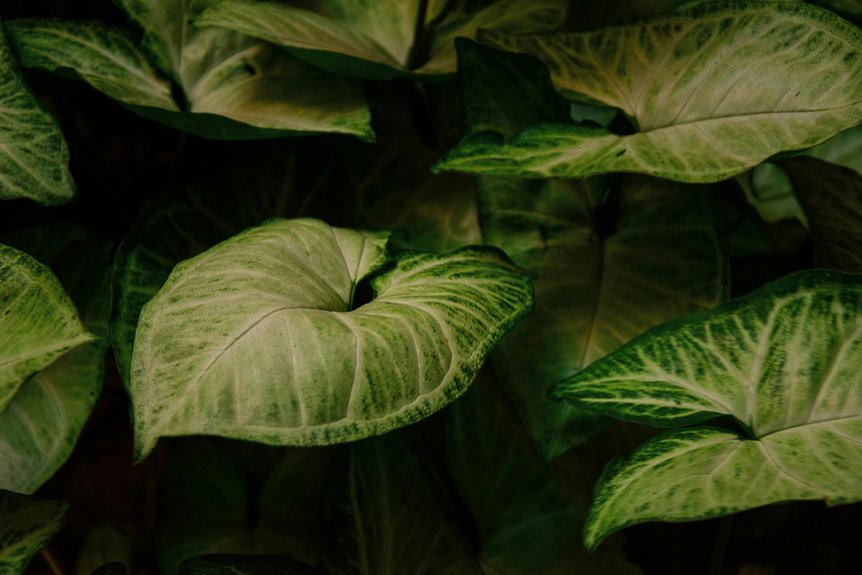
Bringing nature indoors can transform your living space into a sanctuary. You might be surprised at how direct experiences, like having live plants, can lower stress and boost creativity. On the other hand, indirect methods, such as using natural materials and earthy colors, can also evoke a sense of calm. Understanding the balance between these approaches is essential for enhancing your environment. So, which experience resonates more with you? Let’s explore further.
Key Takeaways
- Direct biophilic experiences involve physical interaction with nature, reducing stress and enhancing creativity through immersion in natural environments.
- Indirect biophilic experiences incorporate nature-inspired design elements like natural materials and colors, creating calming indoor atmospheres.
- Live plants in indoor spaces improve air quality, elevate mood, and boost concentration, providing both aesthetic and emotional benefits.
- Natural light is essential in biophilic design, enhancing well-being, regulating sleep patterns, and increasing happiness through exposure to daylight.
- Both direct and indirect biophilic experiences foster a deeper connection to the environment, promoting overall health and well-being.
Understanding Biophilic Design
Biophilic design, which connects people with nature, enhances our well-being and productivity in various environments.
By incorporating natural elements into your surroundings, you can create spaces that feel more alive and inviting. Think about how natural light, greenery, and organic materials can transform a room.
You’ll notice that these elements not only improve aesthetics but also reduce stress and boost focus. When you engage with nature-inspired design, you’re likely to feel more relaxed and energized.
Consider adding plants, using sustainable materials, or maximizing natural views in your space. Each of these choices fosters a deeper connection to the environment, making your daily experiences more enriching.
Embrace biophilic design to cultivate a healthier, more inspiring atmosphere in your life.
The Importance of Direct Biophilic Experiences
Experiencing nature directly can greatly enhance the benefits of biophilic design. When you immerse yourself in natural environments, you tap into a wellspring of emotional and physical benefits.
Here are three key reasons why direct biophilic experiences matter:
- Stress Reduction: Being in nature lowers cortisol levels, helping you feel more relaxed and at peace.
- Enhanced Creativity: Nature stimulates your mind, boosting creativity and problem-solving abilities, allowing fresh ideas to flow effortlessly.
- Improved Well-Being: Direct interaction with nature promotes physical health, encouraging movement and liveliness, which can lead to a happier, more fulfilled life.
Exploring Indirect Biophilic Experiences
When you think about biophilic experiences, it’s not just about being outside; it also includes how nature-inspired design elements can transform your space.
Incorporating natural materials and textures can create a calming atmosphere that connects you to the outdoors.
Let’s explore how these indirect experiences can enhance your well-being and creativity.
Nature-Inspired Design Elements
Incorporating nature-inspired design elements into your space can greatly enhance your well-being and creativity.
These elements create a soothing atmosphere that fosters connection to the natural world, even indoors.
Here are three ways you can evoke that connection:
- Nature Motifs: Use wallpapers or artwork featuring leaves, flowers, or landscapes to bring the outdoors inside.
- Color Schemes: Choose earthy tones, like greens and browns, to create a calming environment that mimics nature’s palette.
- Organic Shapes: Opt for furniture or decor with soft, flowing lines that reflect natural forms, promoting relaxation and ease.
Natural Materials and Textures
Natural materials and textures play an essential role in creating an environment that resonates with the essence of the outdoors. When you incorporate elements like wood, stone, or natural fibers, you invite a sense of warmth and authenticity into your space.
Imagine touching a rough-hewn wooden table or feeling the softness of a wool rug beneath your feet. These textures not only enhance aesthetic appeal but also evoke a deeper emotional connection to nature.
You can choose furniture made from reclaimed wood, add stone accents, or use organic fabrics for cushions and curtains. By doing this, you create a calming atmosphere that fosters well-being and reminds you of the beauty found in natural settings, all while staying indoors.
Enhancing Indoor Spaces With Live Plants
Bringing live plants into your indoor spaces can transform your environment and boost your well-being.
You’ll enjoy cleaner air, enhanced mood, and a touch of nature, making your space feel more inviting.
Choosing the right species is key, so let’s explore which plants will thrive in your home or office.
Benefits of Live Plants
While you mightn’t realize it, enhancing indoor spaces with live plants can transform your environment and well-being.
Incorporating greenery into your home or office not only beautifies your space but also provides several emotional and psychological benefits.
Here are three powerful advantages of live plants:
- Improved Mood: Seeing vibrant plants can elevate your spirits and reduce stress, creating a calming atmosphere.
- Enhanced Focus: Studies show that having plants nearby can boost concentration and productivity, making your work or study areas more effective.
- Better Air Quality: Live plants naturally filter toxins and increase oxygen levels, promoting a healthier indoor environment.
Choosing the Right Species
Choosing the right plant species for your indoor space can greatly enhance both aesthetics and well-being. Start by considering light availability; some plants thrive in bright conditions, while others prefer low light.
If you’re new to plant care, opt for low-maintenance species like pothos or snake plants, which tolerate neglect. For a pop of color, consider flowering plants like peace lilies or African violets.
Also think about the size and scale of your space—larger plants can serve as statement pieces, while smaller ones can add subtle charm.
Finally, don’t forget about air purification; plants like spider plants and rubber trees can help improve indoor air quality.
Choose wisely, and you’ll create a vibrant, healthy environment that boosts your mood and productivity.
The Role of Natural Light in Biophilic Design
Natural light plays an essential role in biophilic design, enhancing your connection to the outdoors and improving your overall well-being.
Natural light is vital in biophilic design, fostering a deeper connection with nature and enhancing well-being.
When you incorporate natural light into your spaces, you not only brighten your environment but also elevate your mood.
Here are three emotional benefits you’ll experience:
- Increased Happiness: Natural light boosts serotonin levels, making you feel more positive and energized throughout the day.
- Enhanced Focus: Exposure to daylight enhances your concentration, helping you perform tasks with greater clarity and efficiency.
- Better Sleep: Natural light helps regulate your circadian rhythm, promoting restful sleep patterns and making you feel more refreshed.
Combining Direct and Indirect Experiences for Optimal Well-Being
To achieve ideal well-being, it is crucial to blend both direct and indirect biophilic experiences within your environment. Direct experiences, like nurturing houseplants, allow you to connect with nature on a personal level. Indirect experiences, such as nature-inspired decor or artwork, can evoke feelings of tranquility and connection even when you’re indoors.
| Experience Type | Examples |
|---|---|
| Direct | Caring for indoor plants |
| Indirect | Nature-themed wall art |
| Combination | A plant-filled room with nature scenes on the walls |
Frequently Asked Questions
How Can I Incorporate Biophilic Design on a Budget?
You can incorporate biophilic design on a budget by adding indoor plants, using natural materials like wood and stone, and maximizing natural light. Simple decor changes can create a calming, nature-inspired atmosphere without breaking the bank.
What Types of Plants Are Best for Indoor Environments?
For indoor environments, choose low-maintenance plants like snake plants, pothos, or peace lilies. They thrive in various lighting conditions and improve air quality, making your space healthier and more inviting without breaking the bank.
Are There Any Biophilic Design Apps Available?
Yes, there are several biophilic design apps available that help you incorporate nature into your spaces. Apps like PlantSnap or iScape let you visualize greenery and design beautiful indoor environments effortlessly. Explore them for inspiration!
How Does Biophilic Design Impact Productivity?
Biophilic design boosts your productivity by creating environments that reduce stress and enhance focus. You’ll find that natural elements inspire creativity, improve mood, and foster overall well-being, making work more enjoyable and efficient.
Can Biophilic Design Help With Mental Health Issues?
Yes, biophilic design can considerably improve your mental health. By incorporating natural elements into your environment, you’re likely to experience reduced stress, enhanced mood, and increased overall well-being, fostering a more positive mindset in daily life.