
Yes, paralegals can work from home, thanks to the rise of remote opportunities in the legal field. Many firms now offer flexibility, allowing you to balance your personal and professional life. To thrive, you’ll need essential skills, such as legal research knowledge and familiarity with collaboration tools. While there are challenges like isolation and distractions, effective time management and a dedicated workspace can help. Keep exploring to discover more about succeeding as a remote paralegal.
Key Takeaways
- Yes, paralegals can work from home, as remote work has become common in the legal field due to flexibility demands.
- Remote paralegals can benefit from improved work-life balance, reduced commuting stress, and increased job satisfaction.
- Essential skills include proficiency in legal research databases, document management systems, and familiarity with communication tools.
- Challenges include isolation, distractions at home, and time management issues that can impact productivity.
- Effective communication and establishing a dedicated workspace can facilitate a successful transition to remote paralegal work.
The Rise of Remote Work in the Legal Field

As the demand for flexibility increases, remote work has become a norm in the legal field. You might notice that many law firms and legal departments are embracing this shift, allowing paralegals to work from home.
This change not only benefits employees by offering better work-life balance but also helps firms reduce overhead costs.
You’ll find that technology plays a central role in this evolution, with tools like cloud-based document management and virtual communication platforms enhancing collaboration.
As a paralegal, you’ll have the chance to manage cases and communicate with clients without being physically present in the office.
Embracing remote work can lead to increased productivity and job satisfaction, making it an attractive option for many in the legal profession.
Key Skills for Remote Paralegals

To succeed as a remote paralegal, you need essential technical skills to navigate various legal software and tools.
Strong communication skills are equally important since you’ll be collaborating with attorneys and clients from a distance.
Let’s explore these key abilities that can enhance your effectiveness in a home office environment.
Essential Technical Proficiency
In today’s digital landscape, remote paralegals need a specific set of technical skills to thrive.
You’ll want to be proficient in legal research databases like Westlaw or LexisNexis, as well as document management software. Familiarity with case management systems is important for organizing files and tracking deadlines effectively.
Additionally, you should be comfortable using cloud storage solutions for secure document sharing and collaboration. Basic knowledge of Microsoft Office Suite, particularly Word and Excel, is essential for drafting documents and managing data.
Understanding cybersecurity measures is also critical to protect sensitive client information.
Strong Communication Skills
Effective communication stands at the core of a paralegal’s role, especially when working remotely. You need to convey information clearly and concisely, whether you’re drafting documents, emailing clients, or collaborating with attorneys.
Active listening is equally vital; it helps you understand client needs and gather essential details.
In a remote setting, you’ll rely heavily on written communication. Make sure your emails are professional and free of jargon, making them easy to understand.
Utilize video calls for more complex discussions, as they allow for non-verbal cues that can enhance understanding.
Don’t forget to follow up on important conversations to confirm clarity.
Tools and Technology for Remote Legal Work
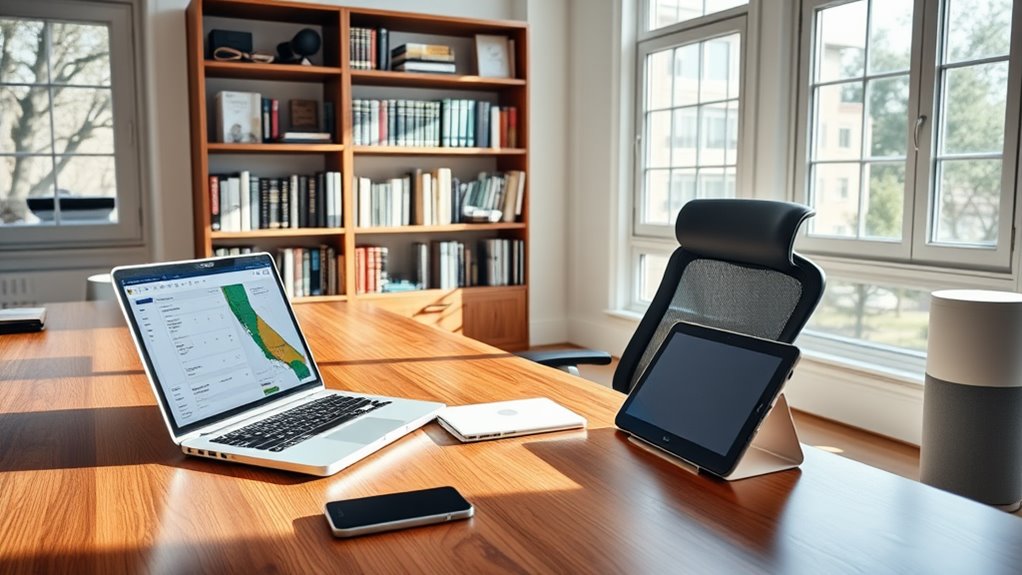
As remote legal work becomes the norm, having the right tools and technology at your disposal is essential for paralegals. First, invest in reliable hardware like a laptop or desktop computer with a good internet connection.
You’ll also need software for document management, such as Microsoft Office or Google Workspace, to create and edit legal documents seamlessly.
Don’t forget about communication tools; platforms like Zoom or Microsoft Teams help you stay connected with clients and colleagues.
For secure file sharing, consider using services like Dropbox or OneDrive. Additionally, legal research tools like Westlaw or LexisNexis can enhance your efficiency.
Types of Remote Opportunities for Paralegals
While the landscape of legal work is changing, paralegals can find a variety of remote opportunities that cater to different interests and skills.
You might consider roles like contract paralegal, where you draft and review agreements from home. If you enjoy research, a legal research assistant position could be ideal, allowing you to analyze case law and statutes remotely.
Another option is a litigation support paralegal, assisting attorneys in trial preparation through document management and e-discovery. Additionally, virtual law firms often hire paralegals to handle client communications and case updates, giving you a chance to work directly with clients.
Consider a litigation support paralegal role to assist attorneys with trial prep and engage directly with clients at virtual law firms.
With these diverse roles, you can tailor your career path to fit your professional goals and lifestyle.
Challenges Faced by Remote Paralegals
Although working from home offers many advantages, remote paralegals often face unique challenges that can impact their productivity and job satisfaction.
Here are three common hurdles you might encounter:
- Isolation: Without daily interaction with colleagues, you may feel disconnected, which can lead to decreased motivation and support.
- Time Management: Balancing work and home responsibilities can blur the lines, making it easy to become distracted and less efficient.
- Access to Resources: You might struggle with limited access to essential legal databases, physical files, or office equipment, which can slow down your work and affect deadlines.
Acknowledging these challenges is the first step toward finding effective solutions and enhancing your remote work experience.
Effective Communication in a Remote Environment
When you’re working from home, effective communication is essential for success.
Utilizing digital communication tools can streamline your interactions, while clear messaging techniques help prevent misunderstandings.
Let’s explore how to enhance your communication skills in a remote environment.
Digital Communication Tools
Effective communication in a remote environment often hinges on the right digital communication tools.
You need reliable platforms to collaborate effectively with your team and clients. Here are three essential tools to evaluate:
- Video Conferencing Software: Tools like Zoom or Microsoft Teams allow you to hold face-to-face meetings, fostering better relationships and clearer understanding.
- Instant Messaging Apps: Platforms like Slack or Microsoft Teams enable quick, real-time communication, helping you address issues promptly without the formality of emails.
- Document Sharing Services: Google Drive or Dropbox facilitate easy sharing and collaboration on documents, ensuring everyone has access to the latest information.
Clear Messaging Techniques
To guarantee your messages resonate in a remote work environment, focus on clarity and brevity. Use straightforward language and avoid jargon unless necessary. When conveying information, structure your messages logically, so the recipient can follow along easily.
Here’s a quick guide to help you enhance your communication:
| Technique | Description |
|---|---|
| Be Direct | State your main point upfront. |
| Use Bullet Points | Break down complex information. |
| Ask Questions | Encourage feedback to ascertain understanding. |
| Summarize | Recap key points at the end. |
Time Management Strategies for Working From Home
Although working from home offers flexibility, it can also blur the lines between personal and professional life, making time management essential. To stay productive and balanced, try these strategies:
- Set a Schedule: Establish a daily routine with specific work hours. This helps create boundaries between work and home life.
- Prioritize Tasks: Use a to-do list to identify urgent tasks. Focus on high-priority items first, ensuring you maintain momentum throughout the day.
- Limit Distractions: Identify your biggest distractions, whether it’s social media or household chores. Create a dedicated workspace to minimize interruptions and stay focused on your tasks.
Building a Professional Network as a Remote Paralegal
Building a professional network as a remote paralegal can seem intimidating, especially when you’re not physically present in an office environment.
However, there are effective ways to connect with colleagues and industry professionals. Start by joining online legal forums and social media groups focused on paralegals. Engage in discussions, ask questions, and share insights to establish your presence.
Attend virtual conferences and webinars to meet others in the field and expand your knowledge. Don’t hesitate to reach out for informational interviews with experienced paralegals or attorneys. Follow up with personalized messages to maintain those connections.
The Benefits of Remote Work for Paralegals
Working from home as a paralegal offers you the flexibility to set your own hours, letting you tailor your work schedule to fit your life.
You’ll also enjoy reduced stress from commuting, giving you more time for yourself and your family.
This shift can greatly improve your work-life balance, making your job more enjoyable and sustainable.
Flexibility in Work Hours
As remote work becomes increasingly common, paralegals benefit from the flexibility in work hours that it offers.
This flexibility allows you to tailor your schedule to better fit your personal life and professional commitments. Here are some key advantages:
- Work-Life Balance: You can manage your time more effectively, giving you the chance to attend to family needs or personal interests without sacrificing work quality.
- Peak Productivity: You can choose to work during your most productive hours, whether that’s early in the morning or late at night.
- Reduced Stress: With the ability to create your own schedule, you can alleviate pressure and enhance your overall job satisfaction.
Embracing this flexibility can lead to a more fulfilling and productive work life as a paralegal.
Reduced Commute Stress
One of the biggest perks of remote work for paralegals is the significant reduction in commute stress.
You no longer have to navigate traffic or deal with crowded public transportation, which can drain your energy before the workday even begins. Instead, you can roll out of bed and start your day in a calm environment.
This not only saves you precious time but also allows you to focus better on your tasks. Without the daily commute, you can enjoy a more relaxed start to your day.
Plus, you’ll likely find yourself feeling more refreshed and ready to tackle your responsibilities. Overall, eliminating the commute enhances your productivity and contributes to a more enjoyable work experience.
Work-Life Balance Improvement
While remote work offers paralegals the flexibility to manage their schedules more effectively, it also greatly enhances work-life balance.
By working from home, you can enjoy several key benefits that contribute to a healthier lifestyle:
- Flexible Hours: You can choose when to tackle tasks, allowing you to accommodate personal commitments and family time.
- Reduced Distractions: A home office can minimize interruptions from a busy workplace, enabling you to focus better and complete work efficiently.
- Increased Personal Time: Without commuting, you gain extra hours in your day, which you can dedicate to hobbies, exercise, or relaxation.
These advantages allow you to maintain a fulfilling personal life while excelling in your paralegal career.
Tips for Transitioning to a Remote Paralegal Role
Shifting to a remote paralegal role can feel intimidating, but with the right approach, you can make it a smooth process.
Start by setting up a dedicated workspace that minimizes distractions and promotes productivity. Next, invest in reliable technology—good internet and essential software will be your best friends.
Communicate regularly with your team and supervisors to stay connected and informed. Familiarize yourself with remote collaboration tools like video conferencing and project management software.
It’s also essential to establish a routine that balances work and personal time, helping you avoid burnout.
Finally, don’t hesitate to seek feedback on your performance; continuous improvement is key in a remote setting. Embrace the change, and you’ll thrive in your new role.
Frequently Asked Questions
What Qualifications Do I Need to Work as a Remote Paralegal?
To work as a remote paralegal, you’ll need a relevant degree or certificate, strong organizational skills, familiarity with legal software, and excellent communication abilities. Experience in a legal environment can also be highly beneficial.
How Do I Find Remote Paralegal Job Listings?
To find remote paralegal job listings, search online job boards like Indeed or LinkedIn. You can also join legal networking groups, follow law firms on social media, and set up job alerts for new opportunities.
Are Remote Paralegal Jobs Full-Time or Part-Time?
Remote paralegal jobs can be both full-time and part-time. You’ll find opportunities varying in hours, so it’s essential to assess your needs and preferences while searching for the right position that fits your schedule.
Can I Work Remotely as a Freelance Paralegal?
Yes, you can work remotely as a freelance paralegal. Many law firms and clients seek your expertise, allowing you to manage your workload flexibly. Just make certain you have the necessary tools and communication skills.
What Is the Salary Range for Remote Paralegals?
As a remote paralegal, you can expect salaries ranging from $40,000 to $80,000 annually, depending on experience, specialization, and location. Your skills and expertise will greatly influence your earning potential in this flexible role.