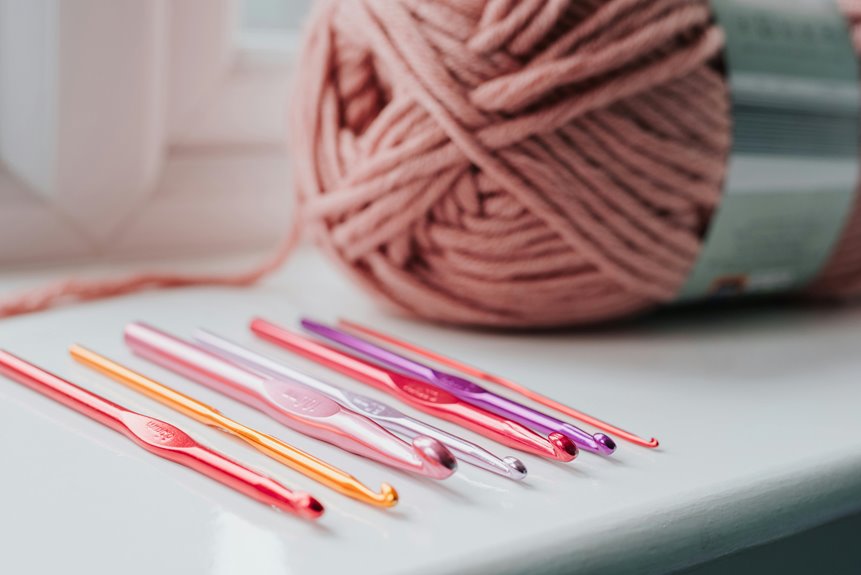
It’s funny how many people start crafting as a way to unwind, only to discover they have a knack for it. If you’ve ever wondered how to turn that passion into a sustainable career, you’re not alone. From selling your creations online to teaching others your skills, there are numerous avenues to explore. What if you could transform your hobby into something more? Let’s explore the possibilities that await you.
Key Takeaways
- Identify your crafting niche by aligning your skills and passions with market demand for unique selling opportunities.
- Launch an online shop on platforms like Etsy to reach a broader audience and sell handmade goods.
- Offer workshops and classes to teach crafting skills while monetizing your expertise and engaging with the community.
- Explore freelance opportunities, such as custom crafting services and writing for blogs, to expand your reach and influence.
- Collaborate with other crafters to share resources, enhance creativity, and tap into new customer networks.
Identifying Your Crafting Niche
Identifying your crafting niche can be a game-changer for your career, especially when you focus on what truly inspires you. Start by exploring your interests and skills—what crafts make you lose track of time?
Consider your strengths and how they align with market demand. Research different areas to find gaps where your unique touch can shine. Don’t hesitate to experiment with various materials and techniques until something resonates deeply. This exploration can reveal opportunities you hadn’t considered.
Remember, your niche should reflect both your passion and potential profitability. As you define your niche, you’ll create a clearer path toward success, allowing your creativity to flourish while attracting the right audience for your work.
Your niche should harmonize your passion with profitability, guiding you toward success and the right audience for your creativity.
Trust your instincts and enjoy the journey!
Selling Handmade Goods Online
As you immerse yourself in selling handmade goods online, it’s essential to choose the right platform that aligns with your craft and target audience.
Research various marketplaces, like Etsy or Amazon Handmade, and consider their fees, audience, and features. You’ll want to create high-quality product listings with clear photos and detailed descriptions to attract buyers.
Engaging with potential customers through social media can help build a loyal following. Don’t forget to establish your brand identity; a cohesive look across your shop and social media can make a lasting impression.
Plus, consider offering promotions or discounts to entice first-time buyers. By focusing on quality and connection, you can turn your passion into a thriving online business.
Setting Up an Etsy Shop
Before you plunge into selling your crafts on Etsy, it’s vital to understand the steps involved in setting up your shop. First, create an account and choose a unique shop name that reflects your brand.
Next, define your shop policies, including shipping, returns, and payment methods. You’ll want to take high-quality photos of your products, as they’re key for attracting buyers.
Establish clear shop policies and capture stunning product photos to draw in buyers effectively.
Write clear, engaging descriptions that highlight the unique features of your crafts. Set competitive prices by researching similar items. Don’t forget to add tags and keywords to help customers find your products.
Finally, make sure your shop looks professional and inviting, creating a seamless experience for potential buyers. Once everything’s set, you’re ready to launch your Etsy shop!
Leveraging Social Media for Promotion
To effectively promote your crafts, you need to choose the right social media platform for your audience.
Engaging with your followers is essential; it helps build a community around your work.
Let’s explore how to make the most of these tools to boost your visibility and sales.
Choosing the Right Platform
How can you effectively showcase your craft in today’s digital landscape? Choosing the right social media platform is essential for visibility. Each platform serves different audiences and content types, so select one that aligns with your craft and target market.
| Platform | Best For | Key Feature |
|---|---|---|
| Visual arts | High-quality images | |
| DIY tutorials | Idea sharing | |
| Community building | Group interactions | |
| TikTok | Short, engaging videos | Trend-driven content |
Utilize these platforms to create engaging posts, share your process, and connect with potential customers. Tailor your content to each platform’s strengths to maximize your reach and impact.
Engaging With Your Audience
What strategies can you employ to truly connect with your audience on social media?
First, share behind-the-scenes looks at your crafting process. This transparency builds trust and fosters a sense of community.
Next, engage with your followers by responding to comments and messages promptly; this shows you value their input. You can also run polls or Q&A sessions to encourage interaction and gather feedback.
Don’t forget to showcase user-generated content. Encourage your customers to share photos of your products in use and repost them, creating a sense of belonging.
Use relevant hashtags to expand your reach, and collaborate with other crafters to tap into new audiences.
Teaching Craft Workshops
If you’re thinking about teaching craft workshops, you’ll need to plan your sessions carefully to engage your participants.
You’ll also want to effectively market your classes to attract crafters looking to learn new skills.
Let’s explore the essentials of workshop planning and how to promote your offerings successfully.
Workshop Planning Essentials
Planning a successful craft workshop requires careful attention to several key elements. First, choose a clear theme or project that speaks to your target audience. Guarantee you have all necessary materials ready and consider the skill levels of participants.
Next, set a date and time that accommodates your audience, and secure a comfortable venue with adequate space. Develop a detailed lesson plan that outlines the steps you’ll teach, allowing for flexibility if participants need extra guidance.
Finally, practice your delivery to maintain enthusiasm and engagement throughout the session. By focusing on these essentials, you’ll create an enjoyable, productive environment that fosters creativity and learning among your attendees.
Marketing Your Classes
To effectively market your craft workshops, start by identifying your target audience and understanding their interests. Knowing who your ideal participants are helps tailor your marketing efforts and class offerings.
Use social media platforms to showcase your projects, share testimonials, and highlight upcoming classes. Create engaging content that resonates with your audience.
- Offer early-bird discounts or referral bonuses to incentivize sign-ups.
- Collaborate with local businesses or influencers to expand your reach.
- Utilize email marketing to keep past students informed about new workshops.
Crafting for Local Markets and Fairs
Crafting for local markets and fairs can be a rewarding way to showcase your creativity while connecting with your community. You’ll find these events are perfect for displaying your handmade items, from jewelry to home decor.
Start by researching local craft fairs and farmers’ markets that attract your target audience. Create a visually appealing booth that reflects your brand, drawing in potential customers.
Pricing your items fairly is essential, so consider your costs and the market demand. Engaging with visitors and sharing the stories behind your creations can make a lasting impression.
Don’t forget to collect contact information for future sales or collaborations. Ultimately, participating in these events can enhance your craft business while fostering community ties.
Collaborating With Other Creatives
Have you ever considered how collaborating with other creatives can elevate your craft?
Working with others not only sparks fresh ideas but also expands your audience and enhances your skills. When you team up, you can share resources, brainstorm together, and create something truly unique.
Here are some benefits of collaboration:
- Diverse Perspectives: You gain new insights and techniques from different creative backgrounds.
- Increased Reach: Partnering with others allows you to tap into their networks, attracting more customers.
- Shared Workload: You can divide tasks, making projects more manageable and less overwhelming.
Embrace collaboration, and watch your creativity flourish. It’s a fantastic way to learn, grow, and bring your craft to new heights!
Creating a Crafting Blog or YouTube Channel
Collaborating with other creatives opens up exciting possibilities, and one of the best ways to showcase your craft is by creating a blog or YouTube channel.
This platform lets you share tutorials, tips, and your unique projects with a broader audience. Start by selecting a niche that reflects your passion, whether it’s knitting, painting, or woodworking.
Consistency is key, so set a schedule for posting content. Engage with your audience through comments and social media to build a community around your craft.
Establish a regular posting schedule and actively engage with your audience to foster a vibrant community around your craft.
Use high-quality images or videos to capture your work, making it visually appealing. As you grow, consider monetizing your channel or blog through sponsorships, ads, or selling your creations.
Turning your hobby into a profession has never been more exciting!
Exploring Freelance Opportunities in Crafting
What if you could turn your crafting skills into a rewarding freelance career? The freelance world is full of opportunities for crafters like you. You can offer your services and products to clients while enjoying the flexibility of being your own boss.
Here are some avenues to explore:
- Custom Crafting Services: Create personalized items like handmade gifts or décor for clients.
- Workshops and Classes: Share your expertise by teaching others how to craft through in-person or online sessions.
- Freelance Writing: Write articles or tutorials about crafting for blogs, magazines, or websites.
Frequently Asked Questions
How Do I Price My Handmade Goods Competitively?
When you’re pricing your handmade goods, think like a savvy merchant. Calculate your material and labor costs, research competitors’ pricing, and consider your unique value. Don’t undercut yourself; your creations deserve fair compensation!
What Legal Requirements Should I Consider for My Craft Business?
You should consider registering your business, obtaining necessary licenses, and understanding tax obligations. Check local regulations for zoning and safety requirements. It’s also wise to look into product liability insurance to protect yourself.
How Can I Manage My Time Between Crafting and Other Responsibilities?
To manage your time effectively, prioritize tasks, set realistic goals, and create a schedule that balances crafting with other responsibilities. Don’t forget to allocate breaks, ensuring you stay motivated and productive throughout your day.
What Materials Should I Invest in for a Sustainable Crafting Business?
Did you know 70% of successful crafters invest in high-quality materials? To build a sustainable crafting business, focus on eco-friendly supplies, durable tools, and versatile elements that enhance your creativity while reducing environmental impact.
How Do I Handle Negative Feedback About My Crafts?
When you receive negative feedback about your crafts, listen carefully and don’t take it personally. Use it as an opportunity to improve. Remember, everyone has different tastes, and constructive criticism can help you grow.