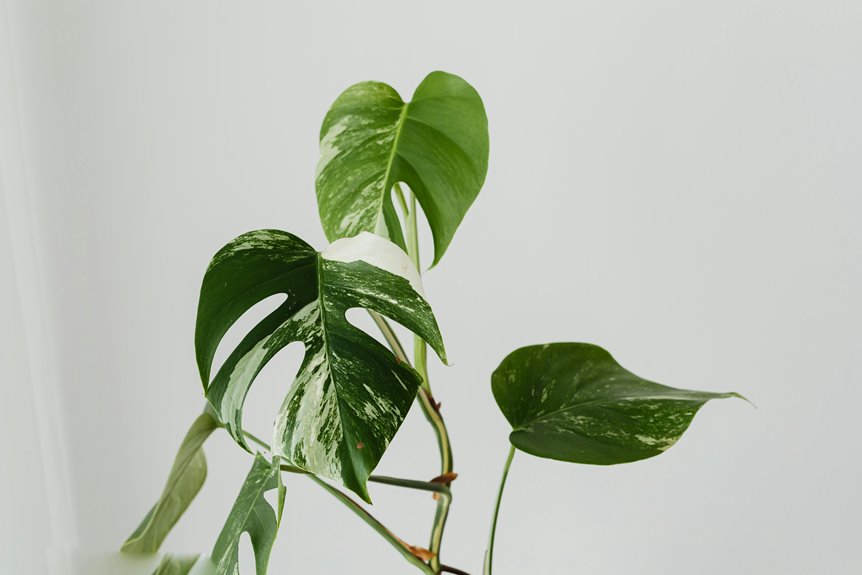
Implementing true biophilic design isn’t as straightforward as it might seem. You face a range of challenges, from traversing complex regulations to managing tight budgets. Misconceptions about biophilic elements can cloud your vision, making it hard to strike a balance between beauty and functionality. As you consider these factors, think about how they interact with sustainability and community needs. What other hurdles might you encounter on this journey?
Key Takeaways
- Regulatory frameworks can complicate the integration of biophilic elements due to varying local building codes and environmental regulations.
- Budget constraints often limit the ability to implement impactful biophilic features, leading to difficult financial decisions.
- Misconceptions about biophilic design may deter adoption, with many believing it only involves expensive aesthetics rather than functional enhancements.
- Long-term maintenance of natural elements poses sustainability challenges, requiring careful selection of species and materials.
- Engaging with local communities is essential to ensure designs reflect environmental contexts and meet community needs effectively.
Regulatory Frameworks and Compliance Issues
When you explore biophilic design, you quickly realize that maneuvering through regulatory frameworks and compliance issues can be complex. Local building codes, zoning laws, and environmental regulations often dictate what you can and can’t do in your design.
Each jurisdiction has its own set of rules, which can vary widely, making it essential to research thoroughly before starting your project. You’ll need to guarantee your design complies with safety standards while incorporating natural elements.
Engaging with local authorities early in the process can help clarify requirements and streamline approvals. Additionally, understanding the interplay between biophilic principles and existing regulations will enable you to create more innovative solutions while staying compliant and avoiding costly delays.
Budget Constraints and Financial Considerations
While you might be excited about integrating biophilic design into your project, budget constraints can quickly become a significant hurdle.
It’s essential to recognize that implementing natural elements often comes with higher upfront costs, whether it’s sourcing sustainable materials or investing in green technologies. You may find that these expenses can lead to tough decisions on where to allocate funds.
Prioritizing the most impactful biophilic features can help balance your vision with financial realities. Consider seeking partnerships or grants focused on sustainability, as they might alleviate some financial pressure.
Ultimately, effective planning and realistic budgeting will allow you to embrace biophilic principles without compromising your overall project goals.
Misconceptions About Biophilic Design
Many people think biophilic design is just about adding a few plants or nature-themed decorations.
You might be surprised to learn that it’s much more about creating a deeper connection with nature in your space.
It’s also a common misconception that such designs always come with a hefty price tag.
Nature vs. Decor
Although biophilic design often gets mistaken for merely adding plants and natural decor to a space, it’s much more about creating a deep connection between people and nature.
This approach emphasizes how environments can influence your well-being and productivity, rather than just aesthetics. When you incorporate biophilic elements, you’re not just placing a few potted plants around; you’re designing spaces that evoke feelings of calmness and inspiration.
It’s about understanding the rhythms of nature and integrating them into your life, such as maximizing natural light, using organic materials, or mimicking natural forms.
Cost Misunderstandings
Misconceptions about the costs associated with biophilic design can often deter individuals and organizations from embracing this beneficial approach. Many assume that incorporating natural elements requires a hefty budget, but that’s not always the case.
In reality, biophilic design can range from low-cost, simple enhancements—like adding plants or maximizing natural light—to more significant investments, such as living walls or green roofs.
Additionally, consider the long-term savings on energy and healthcare costs. Once you understand that biophilic design can be tailored to fit various budgets, you’ll likely see it as an investment rather than an expense.
Embracing this design philosophy can enhance well-being and productivity without breaking the bank. It’s time to rethink those cost misconceptions!
Balancing Aesthetic and Functional Requirements
When designing spaces that embrace biophilic principles, you often face the challenge of balancing aesthetic appeal with functional requirements. You want to create environments that not only look beautiful but also serve their intended purpose effectively. This means integrating natural elements—like plants or water features—without compromising usability or safety.
Sometimes, an eye-catching design can detract from how a space functions. For instance, an intricate green wall may require specific maintenance that isn’t feasible in a busy office. You’ll need to find solutions that harmonize visual beauty with practical needs.
Integrating Nature Authentically
Integrating nature authentically into your designs means going beyond mere decoration; it’s about creating genuine connections with the natural world.
To achieve this, focus on using natural materials, like wood and stone, that resonate with the environment. Instead of artificial plants, consider incorporating living greenery that changes with seasons, fostering a dynamic relationship between your space and nature.
Pay attention to natural light; large windows can invite the outdoors in, enhancing your design’s essence. Sounds matter too; think about water features or wind chimes that create soothing background noise.
Ultimately, authentic integration requires sensitivity to local ecosystems and an understanding of how people interact with their environment. By doing this, you’ll foster deeper connections with nature in your design.
Stakeholder Collaboration and Communication
Creating genuine connections with nature often involves engaging various stakeholders in the design process. You’ll need to collaborate with architects, landscape designers, and community members to guarantee everyone’s vision aligns.
Open communication is key; don’t hesitate to share ideas and concerns. When you invite feedback, you foster a sense of ownership among all parties, enhancing the project’s outcome.
Regular meetings can help maintain momentum and address any issues that arise. It’s also essential to understand each stakeholder’s priorities and constraints, which can influence design choices.
Maintenance and Sustainability Challenges
While embracing biophilic design can enhance the connection to nature, maintaining these elements sustainably poses significant challenges. You’ll need to take into account the long-term upkeep of living features like plants and water elements. They require regular care, which can be time-consuming and costly.
Additionally, selecting the right species for your climate and environment is vital; otherwise, plants may not thrive, leading to wasted resources. There’s also the need to guarantee that your design incorporates sustainable materials that won’t degrade over time.
Together, these factors can complicate maintenance efforts and impact your project’s overall sustainability. Balancing aesthetic appeal with practical care requirements is important to keep your biophilic design flourishing without excessive environmental strain.
Cultural and Contextual Sensitivity
When considering biophilic design, you need to pay attention to local cultural nuances and environmental contexts.
It’s essential to understand how these factors influence the relationship people have with nature in different settings.
Local Cultural Considerations
Understanding local cultural considerations is essential for successful biophilic design, as it guarantees that the spaces you create resonate with the community’s identity and values. By integrating local traditions, materials, and aesthetics, you foster a sense of belonging.
Here’s a quick overview of aspects to take into account:
| Aspect | Importance | Example |
|---|---|---|
| Traditional Materials | Reflects local heritage | Using local stone or wood |
| Community Input | Encourages collaboration and trust | Hosting design workshops |
| Local Flora | Enhances connection to nature | Planting native species |
Environmental Context Awareness
Local cultural considerations set the stage for environmental context awareness, which emphasizes the importance of recognizing and responding to the specific ecological and climatic conditions of a location.
When you embrace this awareness, you enhance your design’s relevance and effectiveness.
Consider these key factors:
- Local Flora and Fauna: Integrate native species to support local biodiversity.
- Climate Adaptation: Design structures that withstand regional weather patterns.
- Cultural Heritage: Reflect local traditions and values in your materials and aesthetics.
- Community Needs: Engage with local populations to understand their environmental interactions.
Measuring Success and Impact of Biophilic Design
As biophilic design gains traction in various environments, measuring its success and impact becomes essential for demonstrating its value. You can employ various metrics, such as occupant satisfaction surveys, productivity assessments, and health indicators, to gauge its effectiveness.
Consider using pre- and post-implementation evaluations to pinpoint changes in mood, well-being, and overall engagement. Additionally, tracking energy usage and maintenance costs can reveal long-term sustainability benefits.
Observing how people interact with natural elements can provide insights into the design’s influence on behavior. By gathering both qualitative and quantitative data, you’ll be able to build a compelling case for biophilic design, showcasing its positive effects on individuals and communities alike, ultimately supporting further investment in these transformative spaces.
Frequently Asked Questions
How Can Biophilic Design Improve Employee Well-Being and Productivity?
Biophilic design enhances your work environment by incorporating natural elements, boosting your mood and creativity. You’ll feel more connected to nature, which can lead to increased focus, reduced stress, and ultimately, improved productivity and overall well-being.
What Role Does Technology Play in Biophilic Design Implementation?
Technology enhances biophilic design by integrating smart systems that mimic natural elements, optimize lighting, and improve air quality. You can harness these tools to create spaces that boost well-being and foster a connection with nature.
Are There Specific Materials Preferred for Biophilic Design?
For biophilic design, you’ll prefer natural materials like wood, stone, and plants. These elements create a connection to nature, enhancing aesthetics and well-being. Incorporating sustainable resources further strengthens the design’s ecological integrity and overall impact.
How Does Biophilic Design Influence Mental Health?
Biophilic design boosts your mental health by connecting you with nature. It reduces stress, enhances mood, and improves focus. Surrounding yourself with natural elements creates a calming environment, promoting overall well-being and happiness in daily life.
What Are Common Mistakes in Biophilic Design Practices?
Common mistakes in biophilic design practices include neglecting natural light, overlooking local flora, and using artificial materials that mimic nature. You should focus on authentic elements to create a truly immersive and restorative environment for occupants.