If you're looking to enhance your home office, converting old materials into DIY mousepads is a practical solution. You can easily transform fabric scraps, coasters, or even placemats into functional and stylish accessories. This not only helps reduce waste but also allows you to express your personal style. Curious about how to begin? Let's explore the materials and techniques that can turn your workspace into a more sustainable and personalized environment.
Key Takeaways
- Repurpose fabric scraps from old clothes or linens to create unique mousepads with personalized designs and textures.
- Transform coasters by cleaning them and attaching fabric or felt for a visually appealing mousepad base.
- Use flexible placemats as a sturdy foundation for mousepads; they are easy to clean and can be customized.
- Ensure a smooth surface by using materials like microfiber or felt to enhance mouse gliding and comfort.
- Regularly clean your DIY mousepad with a damp cloth and mild soap solution to maintain its appearance and functionality.
Choosing the Right Materials for Your Mousepad
When you're crafting a DIY mousepad, choosing the right materials can significantly enhance your experience.
Start with a sturdy base like cork or rubber; they offer excellent grip and durability. Next, consider the surface fabric. A smooth material, like microfiber or felt, provides a great gliding experience for your mouse.
You'll want to ensure the materials are easy to clean, as spills can happen. To add some flair, think about using colorful prints or designs. If you're feeling adventurous, you might even incorporate a layer of padding for extra comfort.
Upcycling Fabric Scraps Into Stylish Designs
You've got fabric scraps just waiting to be transformed into something stylish for your home office.
By choosing the right pieces and designing unique patterns, you can create a mousepad that reflects your personal style.
Let's explore how to turn those leftover fabrics into a functional and eye-catching accessory!
Choosing Fabric Scraps
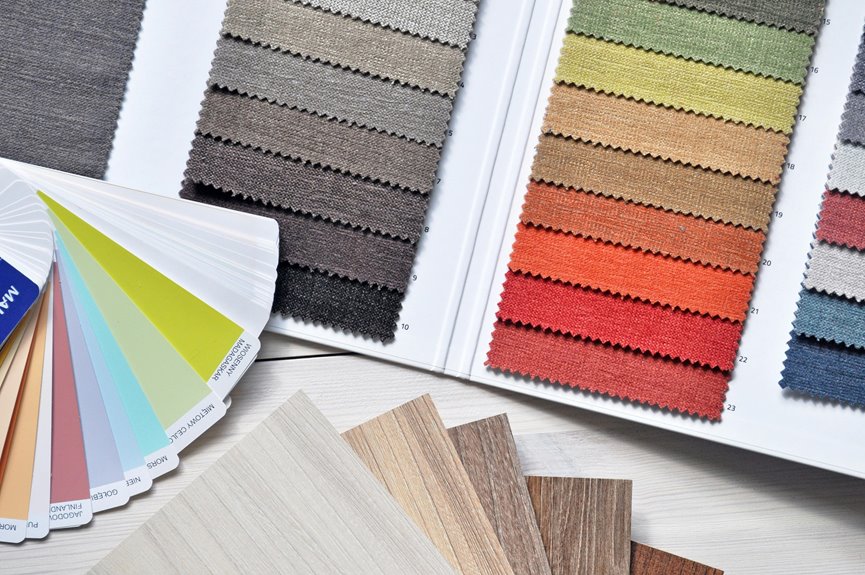
As you embark on the journey of creating a DIY mousepad, selecting the right fabric scraps can transform an ordinary project into a stylish statement piece. Consider the textures and colors that resonate with your personal style. Using a mix of patterns can add visual interest, while solid colors can provide a sleek look.
Here's a quick guide to help you choose:
| Fabric Type | Best Use |
|---|---|
| Cotton | Everyday mousepads |
| Felt | Extra cushioning |
| Denim | Durable, unique designs |
Designing Unique Patterns
To create a mousepad that truly reflects your personality, think about how you can mix and match fabric scraps into eye-catching patterns.
Start by selecting various fabrics with different textures, colors, and prints. Lay them out on a flat surface and experiment with arrangements until you find a combination that excites you.
You might opt for a geometric design, a floral collage, or even a patchwork look; the choice is yours!
Once you've settled on a design, cut the scraps to size and adhere them to a sturdy base.
Don't forget to use a fabric sealant for durability. This way, you'll have a unique mousepad that not only enhances your workspace but also makes a statement about your style!
Transforming Old Coasters Into Functional Art
Transforming a handful of old coasters into functional art can breathe new life into your home office setup. You can easily convert those forgotten coasters into stylish mousepads that reflect your personality. Start by selecting coasters with interesting designs or colors. Next, apply a layer of adhesive to the bottom and attach a soft felt or fabric for a comfortable surface.
Here's a quick guide to help you:
| Step | Description |
|---|---|
| Choose Coasters | Pick coasters with visual appeal |
| Clean the Surface | Ensure they're dust-free |
| Add Adhesive | Use a strong craft glue |
| Attach Padding | Glue felt or fabric underneath |
| Seal It (Optional) | Apply a clear coat for durability |
Enjoy your new artistic touch!
Repurposing Placemats for a Unique Look
Repurposing placemats into mousepads can give your workspace a fresh, unique touch.
First, you'll want to choose the right placemats that fit your style and needs.
Then, follow simple assembly steps to create a personalized mousepad that reflects your personality.
Choosing the Right Placemats
Have you ever considered how placemats can elevate your home office setup? Choosing the right placemats is essential for creating a unique and functional mousepad.
Look for materials that are sturdy yet flexible, allowing for smooth mouse movement. Cotton, felt, or even cork can offer both style and durability.
Think about color and pattern too; vibrant designs can add personality, while muted tones might create a more professional atmosphere.
Consider the size of your workspace; larger placemats provide ample space for your mouse and keyboard.
Lastly, don't forget about ease of cleaning—opt for materials that wipe down easily or are machine washable.
With the right placemats, you'll enhance both your workspace aesthetics and productivity.
DIY Mousepad Assembly Steps
Creating a DIY mousepad from placemats is a fun and straightforward project that can add a personal touch to your workspace. First, gather your materials: a placemat, scissors, and a non-slip backing, if desired. Cut the placemat to your preferred mousepad size. If you want extra grip, attach the non-slip backing using adhesive.
Next, ensure the edges are smooth by using a craft knife if necessary.
Here's a quick reference table to guide your assembly:
| Step | Action |
|---|---|
| 1 | Gather materials |
| 2 | Cut the placemat to size |
| 3 | Attach non-slip backing (optional) |
| 4 | Smooth edges with a craft knife |
Now, you've got a unique mousepad ready to use!
Personalizing Your Mousepad Design
While you're crafting your DIY mousepad, think about how you can personalize its design to reflect your style. Repurposing placemats offers a fantastic way to create a unique look. Here are some ideas to get you started:
- Choose Bold Patterns: Select a placemat with vibrant colors or interesting designs that catch your eye.
- Add Your Name: Use adhesive letters or paint to add your name or initials for a personal touch.
- Incorporate Photos: Attach printed photos or images that inspire you, making your workspace feel more inviting.
- Experiment with Textures: Layer different materials, like fabric or cork, to create a mousepad that's both functional and visually appealing.
With these ideas, your mousepad will truly be one-of-a-kind!
Adding Personal Touches With Custom Prints
Custom prints can transform a standard mousepad into a unique piece that reflects your personality and style. By adding custom designs, you can make your workspace feel more inviting and personal. Think about your favorite colors, quotes, or images that inspire you.
Here's a simple table to help you brainstorm ideas for your custom prints:
| Design Idea | Inspiration | Notes |
|---|---|---|
| Favorite Quote | Motivational sayings | Choose a font you love |
| Personal Artwork | Your own drawings | Scan and adjust size |
| Nature Scene | Landscapes or pets | Use high-resolution images |
These ideas can guide your creativity and help you create a mousepad that's truly yours!
Step-by-Step Guide to Assembling Your Mousepad
Assembling your mousepad can be a rewarding project that adds functionality and flair to your workspace.
To get started, gather your materials and follow these simple steps:
- Choose Your Base: Select an old fabric, cardboard, or even a cutting board as your mousepad's base.
- Cut to Size: Trim your base material to your desired mousepad dimensions, ensuring it fits your workspace perfectly.
- Add a Top Layer: Attach a decorative layer, like printed fabric or vinyl, to the base using strong adhesive.
- Seal the Edges: Use edge sealant or fabric glue to secure the layers and prevent fraying.
Once you finish, you'll have a personalized mousepad that enhances your productivity and style!
Tips for Maintaining Your DIY Mousepad
To keep your DIY mousepad looking fresh and functioning well, regular maintenance is key. Start by wiping it down weekly with a damp cloth to remove dust and grime.
If you notice stains, use a mild soap solution and gently scrub with a soft brush. Avoid soaking the mousepad, as excess water can damage the materials.
Ensure your mousepad stays on a flat surface to prevent warping. If it starts to fray, trim any loose threads with scissors.
For fabric mousepads, consider using a fabric protector spray to enhance durability. Lastly, keep food and drinks away from your workspace to minimize spills.
Frequently Asked Questions
Can I Use Any Type of Fabric for My Mousepad?
You can use various types of fabric for your mousepad, but it's best to choose materials that offer a smooth surface and durability. Avoid overly thick or textured fabrics that might hinder your mouse's performance.
How Do I Ensure My Mousepad Is Slip-Resistant?
To ensure your mousepad is slip-resistant, choose a sturdy backing material like rubber or felt. You can also apply a non-slip adhesive or double-sided tape to keep it securely in place during use.
What Adhesive Works Best for Assembling Materials?
When assembling materials, you'll find that strong adhesives like hot glue or fabric glue work best. They bond quickly and securely, ensuring your project holds up well under regular use. Just make sure surfaces are clean!
How Can I Clean My DIY Mousepad Effectively?
To clean your DIY mousepad effectively, mix mild soap with warm water. Dampen a cloth with the solution, wipe the surface gently, then rinse with a damp cloth and let it air dry completely.
Are There Eco-Friendly Options for Backing Materials?
Yes, there are eco-friendly options for backing materials. You can use recycled felt, cork, or natural rubber. These materials not only reduce waste but also offer great durability and grip for your projects.