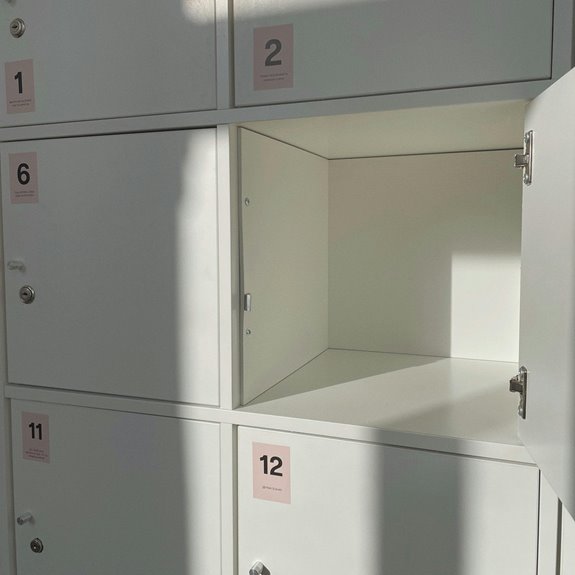
If you're looking to transform that neglected corner in your home office, a corner cabinet might be the perfect solution. It can enhance both functionality and style, providing a place for organization while reflecting your personal taste. Whether you prefer a sleek modern design or a more traditional look, there are plenty of options to consider. Let's explore how you can maximize your space and create a workspace that truly works for you.
Key Takeaways
- Choose a corner cabinet style that matches your home office aesthetic for a cohesive look.
- Maximize storage by incorporating shelves and clear bins to organize supplies effectively.
- Integrate technology with features like cable management and wireless charging stations for a tidy workspace.
- Personalize your cabinet with meaningful decor and functional items that reflect your personality.
- Consider DIY options to create a custom corner cabinet that fits your specific space and needs.
Choosing the Right Style for Your Corner Cabinet
How do you choose the right style for your corner cabinet? First, consider your overall home office aesthetic. Do you lean towards modern, traditional, or eclectic designs?
Next, think about materials. Wood adds warmth, while metal can bring a sleek, contemporary feel. Pay attention to color too; ensure it complements your existing decor.
Functionality matters as well, so decide if you need open shelving for display or closed storage for a cleaner look.
Don't forget about size—measure your corner space to ensure a perfect fit.
Lastly, consider your personal style. Your corner cabinet should reflect your personality and serve as a functional yet stylish statement piece in your home office.
Maximizing Storage With Clever Organization
While a corner cabinet can enhance your home office's style, it can also serve as a powerful storage solution when organized effectively.
Start by categorizing your items—group similar supplies together. Use clear bins or labeled boxes to keep everything visible and easily accessible.
Incorporate shelves to maximize vertical space; they can hold books or decorative items, adding personality while keeping clutter at bay.
Don't forget about utilizing the cabinet's doors; add hooks or small organizers for tools and accessories.
If possible, consider pull-out drawers for hidden storage that's easy to reach.
Integrating Technology Into Your Corner Space
As you set up your corner cabinet for a home office, integrating technology can significantly enhance both functionality and aesthetics.
Start by incorporating a wireless charging station for your devices, keeping cords hidden and your workspace tidy. Consider adding smart speakers to control your environment effortlessly, from lighting to music.
You might also want to install a cable management system to maintain a clean look while ensuring all your gadgets are connected. If you use a monitor, think about a mount that frees up desk space and creates a more organized appearance.
Finally, don't forget about smart plugs; they let you control devices remotely, making it easy to manage your office setup efficiently.
Adding Personal Touches and Decor
When you personalize your corner cabinet, it transforms your home office into a space that reflects your style and inspires creativity.
Start by adding items that hold meaning for you, like framed photos, travel souvenirs, or cherished books. A few well-chosen decorative pieces, such as plants or artwork, can bring life to your workspace and make it feel inviting.
Consider incorporating functional items that also serve as decor, like a stylish desk organizer or a unique lamp. You can also use color to your advantage—choose paint or wallpaper that complements your overall aesthetic.
Lastly, don't forget about personal touches like motivational quotes or your favorite mug. These small details create a warm atmosphere that can boost your productivity.
DIY Corner Cabinet Ideas for a Personalized Look
If you want to create a corner cabinet that truly reflects your personality, consider some DIY projects that add a unique touch to your home office.
Start by repurposing an old bookshelf; add a fresh coat of paint and some decorative hardware for a modern look. You can also build a simple corner unit using plywood and brackets, customizing the dimensions to fit your space perfectly.
To enhance functionality, incorporate open shelving for books and closed cabinets for storage. Personalize the cabinet with your favorite colors or patterns, or use stencils to add artistic flair.
Finally, don't forget to style it with your favorite office supplies and decor items, making it a stylish yet practical feature of your workspace.
Frequently Asked Questions
What Materials Are Best for a Corner Cabinet in a Home Office?
When choosing materials for your corner cabinet, consider durable options like solid wood or plywood for longevity. If you prefer a modern look, laminate or MDF can also work well while being cost-effective and versatile.
How Can I Ensure My Corner Cabinet Fits My Office Layout?
To ensure your corner cabinet fits your office layout, measure the available space accurately, consider the cabinet's dimensions, and visualize how it complements your furniture. Don't forget to account for accessibility and functionality.
What Is the Average Cost of a Custom Corner Cabinet?
The average cost of a custom corner cabinet typically ranges from $500 to $2,500, depending on materials and design. It's important to consider your budget and specific needs when planning your purchase.
Are There Corner Cabinet Options for Small Home Offices?
Yes, you've got plenty of corner cabinet options for small home offices. Consider compact designs that maximize storage without overwhelming the space. Look for multifunctional pieces that blend style with practicality to enhance your workspace.
How Can I Maintain the Quality of My Corner Cabinet Over Time?
To maintain your corner cabinet's quality, regularly dust it, avoid direct sunlight, and use coasters or mats to prevent scratches. Periodically check for loose hardware and tighten as needed to ensure stability and longevity.