
If you’re a digital nomad heading to Chile, you’re in for an exciting journey! You’ll find vibrant cities like Santiago and Valparaíso that offer a rich cultural experience and reliable Wi-Fi. Budgeting wisely is key, with living costs ranging from $500 to $1,000 monthly. Explore unique accommodation options, and enjoy local customs and delicious dining. Plus, there are fantastic co-working spaces and cafés to stay productive while you soak in the beauty of Chile. There’s even more to discover!
Key Takeaways
- Explore top cities like Santiago, Valparaíso, and Pucón for diverse lifestyles and vibrant communities as a digital nomad.
- Budget effectively with monthly living costs ranging from $500 to $1,000, including rent and utilities.
- Research reliable Wi-Fi options in co-working spaces and cafés for a productive work environment.
- Familiarize yourself with local customs and dining etiquette to enhance cultural interactions and experiences.
- Choose suitable accommodation based on your work style, considering hostels, apartments, or coliving spaces for optimal productivity.
Top Cities for Digital Nomads in Chile

When you’re exploring the best cities for digital nomads in Chile, you’ll find a mix of vibrant culture, stunning landscapes, and reliable internet connectivity.
Santiago is a bustling hub with a rich history and diverse neighborhoods, perfect for networking and collaboration.
Santiago offers a vibrant atmosphere filled with rich history and diverse neighborhoods, ideal for networking and collaboration.
Valparaíso, known for its colorful street art and bohemian vibe, offers a unique coastal experience that’s both inspiring and laid-back.
Don’t overlook Pucón, where beautiful lakes and mountains create an adventurous backdrop for work and leisure.
Finally, consider La Serena, which boasts beautiful beaches and a relaxed atmosphere, making it an ideal spot to unwind after a productive day.
Each city presents unique opportunities, so choose one that resonates with your lifestyle and work requirements.
Finding Reliable Wi-Fi and Workspaces

While steering your digital nomad journey in Chile, finding reliable Wi-Fi and suitable workspaces is essential for maintaining productivity.
You’ll discover that many cafés and co-working spaces offer strong internet connections and comfortable environments. Here are some tips to guarantee you stay connected and productive:
- Research co-working spaces: Look for popular options in cities like Santiago or Valparaíso.
- Check café reviews: Websites and apps like Yelp can help you find cafés with good Wi-Fi.
- Join local digital nomad groups: Connect with others who can recommend reliable spots.
- Consider accommodation with Wi-Fi: Ensure your temporary home provides a stable internet connection for remote work.
Cost of Living: Budgeting for Your Stay
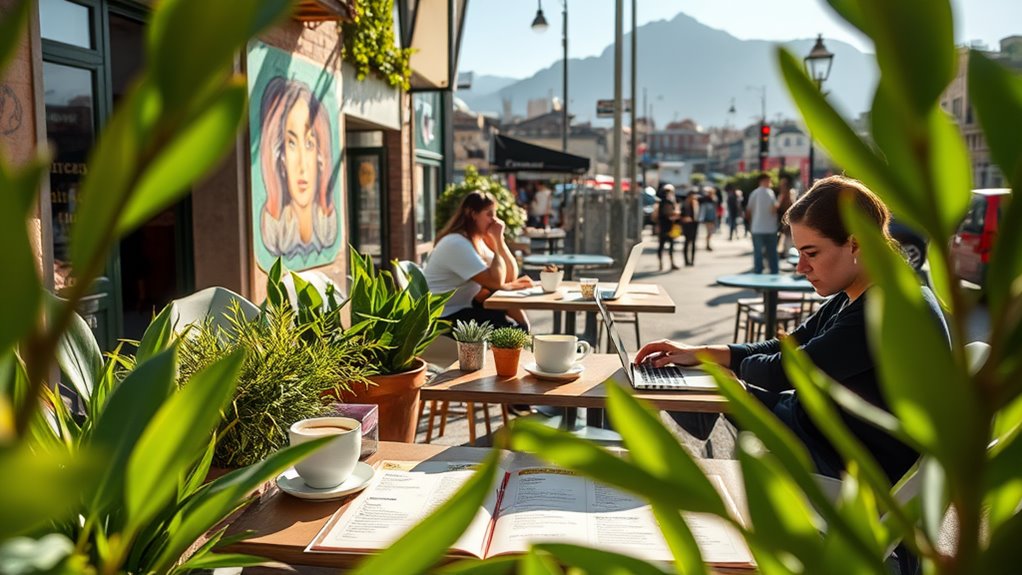
When budgeting for your stay in Chile, understanding housing expenses and daily living costs is essential.
You’ll want to compare options, from renting apartments to finding shared spaces that suit your needs. Knowing what to expect can help you plan a comfortable and financially manageable experience.
Housing Expenses Overview
As you plan your stay in Chile, understanding housing expenses is essential for budgeting effectively. Rental prices can vary greatly based on location and type of accommodation. In major cities like Santiago, you’ll find options ranging from shared apartments to luxurious condos.
Here are some key factors to take into account:
- Monthly rent: Expect to pay between $300 to $1,500 for apartments, depending on the city and neighborhood.
- Utilities: Budget around $100 to $150 per month for electricity, water, and internet.
- Furnished vs. unfurnished: Furnished apartments may come at a premium but save you the hassle of buying furniture.
- Deposit requirements: Be prepared to pay a security deposit, often equivalent to one month’s rent.
Understanding these costs will help you plan your budget effectively.
Daily Living Costs
After settling your housing arrangements, it’s important to take into account your daily living costs in Chile.
On average, you can expect to spend about $500 to $1,000 per month, depending on your lifestyle. Groceries will typically set you back around $200 to $300 monthly. Eating out is affordable, with meals ranging from $5 to $15 at local restaurants.
Transportation costs are reasonable too; public transport can cost as little as $1 per ride. Don’t forget to budget for additional expenses like internet, which averages $30 to $50 monthly.
Local Customs and Etiquette
When you arrive in Chile, understanding local customs can enhance your experience.
Greetings are warm and often include a handshake or a friendly kiss on the cheek, so be prepared to engage.
Plus, knowing dining etiquette, like waiting for the host to start the meal, will help you blend in seamlessly.
Greetings and Introductions
In Chile, greetings and introductions set the tone for personal and professional interactions, so it’s important to approach them with respect and warmth.
When you meet someone, a firm handshake and eye contact are essential. You might also notice the use of “usted” for formal situations, showing respect.
Here are some key points to remember:
- Use first names after the initial introduction, as Chileans tend to be friendly.
- Expect a warm hug or cheek kiss (one or two, depending on familiarity) among friends.
- Be mindful of personal space; stand at an appropriate distance during conversations.
- Always greet with a smile to create a positive atmosphere.
Dining Etiquette Norms
Dining in Chile involves a blend of traditional customs and modern etiquette, so understanding local norms can enhance your experience.
When you’re invited to someone’s home, it’s polite to bring a small gift, like wine or flowers. During meals, wait for the host to start eating before you dig in. Chileans often use utensils for most foods, even finger foods, so keep that in mind.
It’s common to share dishes, so don’t hesitate to try a little of everything. If you’re dining out, tipping around 10% is appreciated but not mandatory.
Finally, enjoy conversations—Chilean culture values good company, so engage and savor the moment. Remember, these small gestures can make a big difference in your dining experience.
Best Cafés and Co-Working Spaces
While exploring the vibrant culture of Chile, you’ll want to find the perfect spots to fuel your productivity.
Luckily, Santiago and other cities offer numerous cafés and co-working spaces tailored for remote workers. Here are some top picks:
- Café de la Plaza: A cozy atmosphere with strong coffee and fast Wi-Fi.
- Urban Station: A popular co-working space featuring modern amenities and a collaborative vibe.
- Café Nicosia: Known for its delicious pastries and comfortable seating, perfect for long work sessions.
- Café del Patio: Offers outdoor seating and a tranquil environment, ideal for creative thinking.
These locations not only provide great coffee but also foster a sense of community among fellow digital nomads.
Enjoy your work while soaking in Chile’s unique ambiance!
Accommodation Options for Remote Workers
Finding the right accommodation can make all the difference when you’re working remotely in Chile. You’ll want a place that suits your work style, budget, and lifestyle. Here are some popular options to evaluate:
| Type of Accommodation | Pros | Cons |
|---|---|---|
| Hostels | Affordable, social | Shared spaces, noise |
| Apartments | Privacy, more space | Higher cost, longer lease |
| Coliving Spaces | Community, networking | Less privacy, shared amenities |
Choose the option that fits your needs best, whether you prefer the hustle of a hostel, the comfort of an apartment, or the camaraderie of a coliving space. Enjoy your time in Chile while staying productive!
Connectivity and Transportation
When you’re working remotely in Chile, staying connected and getting around smoothly are essential for your productivity and enjoyment.
You’ll find that major cities like Santiago have reliable internet access, with numerous cafes and coworking spaces offering free Wi-Fi. Mobile data plans are also affordable, making it easy to stay connected on the go.
For transportation, consider the following options:
- Metro: An efficient and reliable way to navigate Santiago’s urban landscape.
- Buses: Extensive networks connect cities and towns across the country.
- Rideshare apps: Services like Uber and Cabify are widely available.
- Bicycles: Many cities offer bike-sharing programs for a healthy, eco-friendly commute.
With these options, you’ll be ready to tackle both work and exploration!
Exploring Chile: Must-See Destinations
After ensuring you’re connected and can navigate the city, it’s time to explore the stunning landscapes and vibrant culture that Chile has to offer.
Start in Santiago, where you can visit the historic Plaza de Armas and hike up San Cristóbal Hill for breathtaking views.
Then, head to Valparaíso, a colorful coastal city known for its art and steep hills.
Don’t miss the Atacama Desert, the driest place on Earth, where you can marvel at geysers and salt flats.
For lush scenery, travel to the Lake District and experience charming towns like Puerto Varas.
Finally, make your way to Patagonia, with its dramatic mountains and glaciers—perfect for outdoor adventures and unforgettable memories.
Enjoy every moment!
Tips for Staying Productive on the Road
Staying productive on the road can be a challenge, but with a few smart strategies, you can make the most of your time.
First, create a dedicated workspace wherever you are, whether it’s a café or your rental. Establish a routine that mirrors your home office schedule, helping you stay focused. Use productivity tools to manage tasks and deadlines effectively.
Finally, make sure to prioritize breaks to recharge your mind.
Here are some tips to enhance your productivity:
- Set clear goals each day to maintain focus.
- Limit distractions by turning off notifications.
- Utilize time-blocking techniques to organize your schedule.
- Stay connected with fellow remote workers for motivation.
Frequently Asked Questions
What Are the Visa Requirements for Digital Nomads in Chile?
To work remotely in Chile, you’ll need a temporary resident visa. This usually requires proof of income, a clean criminal record, and health insurance. Make sure to check specific requirements before applying to avoid delays.
How Can I Open a Local Bank Account in Chile?
To open a local bank account in Chile, you’ll need your passport, a Chilean RUT (tax ID), and proof of address. Visit a bank branch, complete the application, and submit the required documents.
Are There Any Networking Events for Remote Workers in Chile?
Yes, there’re plenty of networking events for remote workers in Chile. You can check platforms like Meetup or local Facebook groups. Attending co-working spaces often leads to spontaneous gatherings and connections with like-minded individuals.
What Language Should I Learn to Communicate Effectively in Chile?
To communicate effectively in Chile, you should learn Spanish. It’s the official language, and knowing even basic phrases will help you connect with locals, navigate daily life, and enhance your overall experience in the country.
How Do I Handle Taxes as a Digital Nomad in Chile?
Handling taxes as a digital nomad in Chile means understanding local laws. You’ll need to register with the tax authority and keep track of your earnings. Consulting a local tax advisor can simplify this process for you.