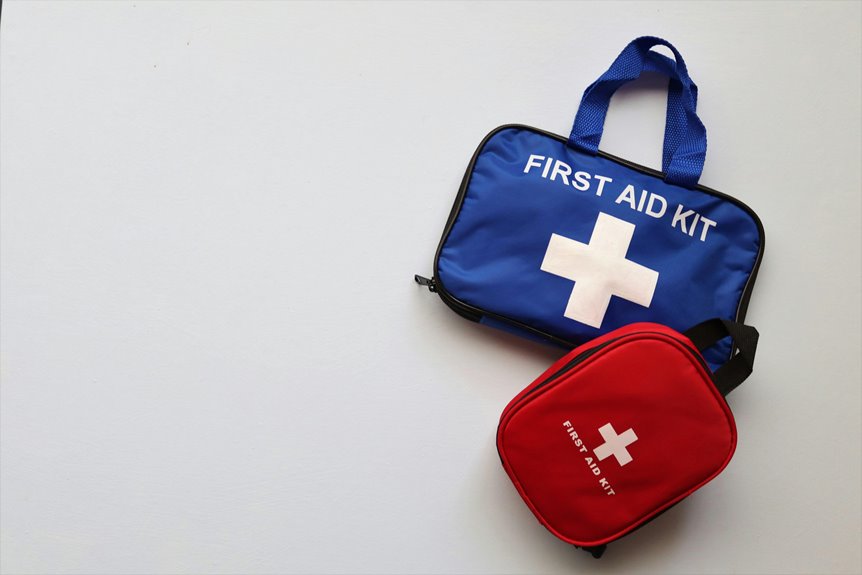
Having a well-stocked first aid kit in your home office isn’t just a good idea—it’s essential. You never know when a small injury or headache might strike during your workday. With the right supplies on hand, you can address minor ailments quickly and efficiently. But what exactly should you include? Let’s explore the must-have items that can make all the difference in those unexpected moments.
Key Takeaways
- Include adhesive bandages in various sizes for quick treatment of minor cuts and scrapes common in a home office setting.
- Stock sterile gauze pads and adhesive tape for managing larger wounds effectively and safely.
- Keep pain relief medications like acetaminophen and antacids to address common ailments without needing to visit a pharmacy.
- Organize supplies by category for quick access during emergencies, ensuring efficiency and reducing stress.
- Perform monthly checks to restock used items and replace any expired medications or supplies in your kit.
Importance of a First Aid Kit in Your Home Office
While you may think a first aid kit is only necessary for larger workplaces, it’s just as important in your home office. Accidents can happen anytime, whether you’re working late into the night or juggling tasks with family around.
A small cut, a burn from coffee, or even a sudden headache can disrupt your productivity. Having a first aid kit nearby guarantees you’re prepared to handle minor injuries immediately, reducing the risk of complications.
Plus, it gives you peace of mind knowing you’ve got the essentials to care for yourself. If you ever have visitors or clients in your home office, being ready for emergencies reflects professionalism and concern for others’ well-being.
Don’t underestimate the importance of being prepared!
Basic Supplies Every First Aid Kit Should Include
When it comes to stocking your first aid kit, knowing the essential supplies is key.
You’ll want to include various types of bandages and some basic medications or remedies to handle common injuries.
Let’s explore what you really need to keep on hand for effective first aid.
Essential Bandage Types
Having the right bandages in your first aid kit is essential for effectively treating injuries.
Start with adhesive bandages in various sizes for minor cuts and scrapes. These are perfect for quick coverage and protection.
Next, include sterile gauze pads and adhesive tape for larger wounds; they absorb blood and help prevent infection.
Don’t forget elastic bandages, which provide support for sprains and strains.
For burns, have hydrogel dressings on hand; they soothe and protect the skin.
Finally, consider finger cots or splints for specialized injuries.
With these essential bandage types, you’ll be prepared to handle common mishaps in your home office, ensuring you can address injuries promptly and effectively.
Medication and Remedies
To effectively address common ailments and injuries, your first aid kit should include a selection of essential medications and remedies. These supplies can help you tackle minor health issues without a trip to the pharmacy. Stock your kit with items that target pain relief, allergies, and digestive issues.
| Medication | Purpose | Dosage/Usage |
|---|---|---|
| Acetaminophen | Pain relief | 500 mg every 4-6 hours |
| Antihistamine | Allergy relief | 1 tablet as needed |
| Antacids | Heartburn relief | 1-2 tablets after meals |
Additional Items for Common Home Office Injuries
While you might’ve a basic first aid kit for minor injuries, it’s wise to contemplate additional items specifically tailored for common home office mishaps.
Consider including adhesive bandages in various sizes for paper cuts and minor scrapes. A cold pack can help with any bumps or bruises, while a heat pack may assist with muscle strains from long hours at your desk.
Including adhesive bandages, cold packs, and heat packs can effectively address common home office injuries.
Don’t forget blister pads for those times your shoes cause discomfort. You might also want to add a needle and thread for small stitching needs or a splint for finger injuries.
Finally, an eye wash solution is essential if you accidentally get dust or debris in your eyes. These items will help you handle common office injuries effectively.
Organizing Your First Aid Kit for Easy Access
To make your first aid kit truly effective, you need to organize it for quick access.
Start by categorizing supplies, labeling everything clearly, and creating a checklist to keep track of what you have.
This way, you’ll always find what you need when it matters most.
Categorize Supplies Effectively
Organizing your first aid kit can make all the difference when you need supplies quickly. Start by grouping items based on their use. Keep bandages, antiseptics, and gauze together in one section for easy access during minor injuries.
Another area should focus on medications, like pain relievers and allergy medications, so you can find them when symptoms arise. Consider separating tools, such as scissors and tweezers, in a compartment of their own.
It’s also helpful to have a designated spot for emergency contact information and instructions. By categorizing your supplies effectively, you’ll minimize stress and save time during emergencies, ensuring you can provide aid promptly when it matters most.
Label Everything Clearly
A well-labeled first aid kit makes it easy to find what you need in a hurry. When you organize your supplies, use clear and concise labels for each category and item. This way, you won’t waste time searching for a bandage or antiseptic when emergencies strike.
You can use color-coded labels or simple icons to help differentiate between items quickly. Make certain the labels are visible and securely attached to the containers. If you have multiple kits, label them distinctly to avoid confusion.
Keeping everything clearly marked not only helps you in the moment but also encourages others to assist if needed. Remember, clarity in labeling enhances efficiency and guarantees everyone knows where to find essential supplies.
Create a Checklist
Creating a checklist for your first aid kit guarantees you have all the essentials at your fingertips when emergencies arise. Start by listing items like adhesive bandages, antiseptic wipes, gauze pads, and scissors. Don’t forget pain relievers, like ibuprofen or acetaminophen, and any personal medications. Include a digital thermometer and instant ice packs, too.
Once you’ve compiled the list, categorize items for easy access. Group similar supplies together—bandaging materials, medications, and tools.
Regularly check your kit against the checklist, replacing any expired or used items. Keep the checklist visible near your first aid kit, so you can quickly verify that everything’s in order. This proactive approach will help you stay prepared for any situation that arises.
Regular Maintenance and Replacement of Supplies
While having a well-stocked first aid kit is essential, regular maintenance and replacement of supplies guarantee it remains effective when you need it most.
Start by checking your kit monthly to confirm everything’s in order. Look for expired items, such as medications and antiseptics, and replace them promptly. Keep an eye on bandages and gauze to verify you have enough on hand.
If you’ve used any supplies, restock them immediately to avoid shortages. It’s also a good idea to review your kit after any minor injuries or incidents. This way, you can make certain it’s ready for emergencies.
Tips for Creating a Safe Home Office Environment
To guarantee your home office is a safe space, start by evaluating potential hazards in your environment. Look for loose cords that could cause trips, and secure them out of the way.
Ascertain your workstation is ergonomically friendly; adjust your chair and monitor height to prevent strain. Keep your workspace clutter-free to minimize distractions and hazards.
Make sure your lighting is adequate to reduce eye strain. If you use heavy objects, store them at waist height to avoid injury.
Don’t forget about fire safety; have a smoke detector nearby and keep a fire extinguisher accessible. Regularly check your first aid kit to confirm it’s stocked with essentials.
Frequently Asked Questions
How Often Should I Check My First Aid Kit Supplies?
You should check your first aid kit supplies every few months. Regularly inspect expiration dates and restock items as needed. Staying prepared guarantees you’re ready to handle any minor emergencies that might arise.
Can I Use Expired Medications in My First Aid Kit?
You shouldn’t use expired medications in your first aid kit. They may not work effectively or could even cause harm. It’s best to regularly check and replace any expired items to guarantee your safety.
Where Should I Store My First Aid Kit in the Office?
You should store your first aid kit in a cool, dry place that’s easily accessible. Consider keeping it near your workspace or in a designated cabinet, ensuring it’s visible and ready for emergencies when needed.
Are There Specific First Aid Items for Remote Workers?
Yes, remote workers should have items like adhesive bandages, antiseptic wipes, pain relievers, and gauze. You’ll also want a digital thermometer and any personal medications. Keep your kit easily accessible for quick response to injuries.
What Should I Do if Someone Is Allergic to Standard Supplies?
If someone’s allergic to standard supplies, you should immediately remove those items and substitute them with allergy-free alternatives. Always ask about specific allergies beforehand to guarantee safety and comfort during any treatment.