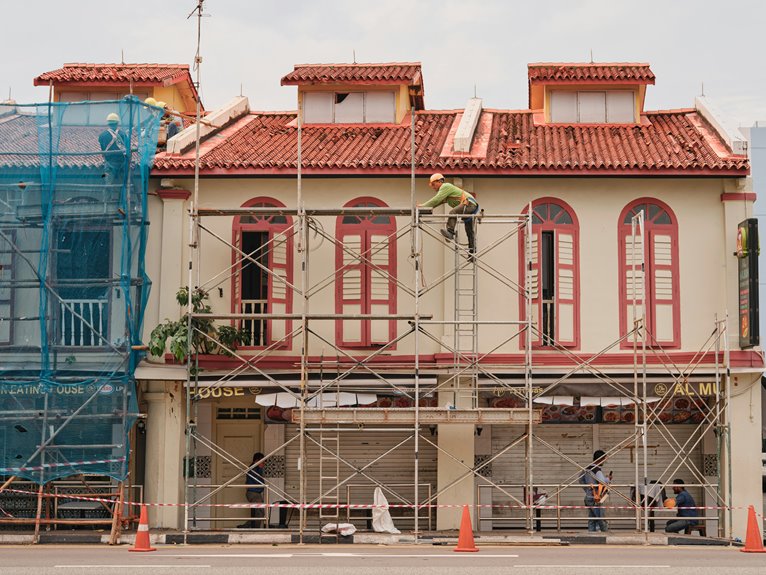
As remote work becomes the norm, you might notice how certain urban neighborhoods are transforming. The influx of wealthier residents often signals revitalization, but it also brings challenges for long-time locals. Rising rents and the loss of cultural identity can create a growing divide. What’s driving this shift, and how can we address the pressing issues of gentrification and displacement without sacrificing community integrity? The answers may surprise you.
Key Takeaways
- Remote workers are driving demand for urban living, contributing to rising rents and increased gentrification in neighborhoods previously affordable for lower-income residents.
- Gentrification often leads to the displacement of long-term residents, causing community fragmentation and loss of cultural identity in affected areas.
- Economic factors, such as job opportunities and infrastructure growth, attract wealthier residents, exacerbating housing challenges for existing low-income communities.
- Cities like Austin and Portland illustrate how remote work trends can accelerate gentrification, leading to significant changes in local demographics and housing markets.
- Strategies such as affordable housing initiatives and community development investments are essential to mitigate displacement and maintain neighborhood stability amidst gentrification.
The Rise of Remote Work and Its Impact on Urban Living
As remote work becomes the norm rather than the exception, urban living is undergoing a significant transformation.
Remote work is revolutionizing urban living, ushering in vibrant changes and new lifestyle opportunities.
You might notice how more people are flocking to cities, drawn by the allure of flexible work arrangements and vibrant neighborhoods. This shift allows you to experience a new lifestyle, with cafes turning into makeshift offices and parks becoming popular meeting spots.
You’ll see an increase in demand for housing that accommodates this new way of living, leading to the revitalization of urban spaces.
However, it’s essential to recognize that this growth can also intensify competition for resources and amenities.
As a remote worker, you’re part of a movement reshaping urban landscapes, creating both opportunities and challenges in the cities you call home.
Understanding Gentrification: Definition and Key Concepts
Urban areas are transforming rapidly, and with that change comes the phenomenon of gentrification. This process involves the influx of wealthier residents into historically lower-income neighborhoods, which often leads to rising property values and rent. As you explore gentrification, it’s essential to understand its key concepts, such as displacement, revitalization, and community resistance.
| Key Concept | Definition | Impact |
|---|---|---|
| Displacement | Residents forced to leave due to rising costs | Loss of community and culture |
| Revitalization | Improvement of infrastructure and services | Increased investment |
| Community Resistance | Efforts by original residents to stay | Advocacy for affordable housing |
Understanding these elements can help you grasp the complexities of gentrification and its effects on urban living.
The Appeal of Affordable Neighborhoods to Remote Workers
With the rise of remote work, many professionals are seeking affordable neighborhoods that offer both cost savings and a vibrant community atmosphere.
You might find these areas appealing due to lower living expenses, which allow you to stretch your budget further while enjoying a comfortable lifestyle.
These neighborhoods often feature local coffee shops, parks, and art scenes that foster connections with like-minded individuals.
You’ll likely appreciate the diversity and culture that come with these locales, enhancing your work-life balance.
Plus, the sense of community can provide support and inspiration as you navigate your remote work journey.
Embracing affordable neighborhoods lets you enjoy both financial freedom and an enriching environment, making it easier to thrive in your professional and personal life.
Economic Factors Driving Gentrification in Emerging Communities
While many remote workers flock to emerging communities for their affordability, it’s essential to recognize the economic factors fueling gentrification in these areas. Increased investment from developers and businesses often leads to rising property values, making it harder for longtime residents to stay. Additionally, a surge in demand for housing drives up rental prices, further pushing out lower-income families.
Here’s a quick look at some key economic factors:
| Factor | Effect on Community | Example |
|---|---|---|
| Increased Investment | Higher property values | New condos built |
| Job Opportunities | Attracts more residents | Tech firms relocating |
| Infrastructure Growth | Improved public services | New transit options |
| Rising Rental Prices | Displacement of low-income residents | Rent hikes |
| Local Business Growth | Shift in community demographics | Trendy cafes opening |
The Role of Technology in Shaping Urban Spaces
As remote work trends rise, technology is reshaping urban spaces in ways you mightn’t expect.
You can see innovations in urban development that cater to this new workforce, transforming neighborhoods to meet their needs.
This shift not only alters the landscape but also influences who can afford to live in these evolving areas.
Remote Work Trends
Remote work trends have drastically reshaped urban spaces, driven largely by advancements in technology that empower people to work from anywhere.
You might notice how these changes influence your surroundings and local economies. Here are some key trends to reflect upon:
- Increased demand for co-working spaces: Flexible work environments are popping up everywhere.
- Rise of digital nomadism: People are choosing to live in diverse locations while maintaining their jobs.
- Shift towards suburban living: Many are leaving crowded cities for quieter, more spacious areas.
- Enhanced connectivity: High-speed internet access is becoming essential in all neighborhoods.
- Cultural diversification: New residents bring varied perspectives and lifestyles, enriching local communities.
These trends highlight the ongoing evolution of our urban landscapes, shaped by how and where you choose to work.
Urban Development Innovations
Technology is revolutionizing urban development, reshaping the way cities are designed and function. You’ll see smart infrastructure enhancing efficiency, from traffic management systems that reduce congestion to energy-efficient buildings that lower utility costs.
Innovations like 3D printing and modular construction streamline processes, allowing for quicker development and reduced waste. Digital platforms enable community engagement, giving you a voice in planning decisions and fostering collaboration among residents.
Additionally, data analytics help city planners identify needs and trends, creating spaces that adapt to your lifestyle. As remote work flourishes, tech-driven urban spaces can attract talent, but they also risk gentrifying neighborhoods.
Embracing these innovations responsibly is essential to guarantee equitable development that benefits everyone in the community.
Social Implications of Gentrification for Long-Term Residents
As gentrification reshapes neighborhoods, you might notice economic disparities widening between long-term residents and new arrivals.
This shift can risk cultural erosion, where the unique identities of communities fade away.
You may also feel the effects of community fragmentation, as familiar connections weaken and social networks change.
Economic Disparities Widen
While gentrification can revitalize neighborhoods, it often exacerbates economic disparities that long-term residents face. As new, wealthier residents move in, you might notice significant changes that affect your community’s economic landscape.
The rising costs can push you and others out, leading to a cycle of displacement. This situation manifests in several ways:
- Increased rent and housing prices
- Limited access to affordable services
- Job opportunities favoring newcomers over locals
- Declining investment in community resources
- Strain on local businesses struggling to compete
These factors create a widening economic gap, making it harder for you to thrive in a neighborhood that once felt like home.
It’s essential to recognize these challenges to advocate for equitable solutions.
Cultural Erosion Risks
The influx of new residents often brings cultural shifts that can threaten the identity of long-standing communities. As neighborhoods evolve, traditional practices, local businesses, and cultural landmarks may struggle to survive.
You might notice familiar shops closing, replaced by trendy cafes or boutiques that cater to new tastes. This change can dilute the rich history and unique character that long-term residents cherish.
Moreover, as cultural symbols fade, the sense of belonging diminishes, making it harder for you and others to connect with your roots. The arts, festivals, and community gatherings that once defined your neighborhood may become less accessible or relevant, leading to feelings of alienation.
Protecting your community’s identity amidst these changes is essential for preserving its unique cultural fabric.
Community Fragmentation Effects
Community fragmentation often occurs when gentrification reshapes neighborhoods, leading to a disconnect between long-term residents and their surroundings. As new developments cater to affluent newcomers, you may notice shifts in community dynamics that leave established residents feeling alienated.
This fragmentation can manifest in several ways:
- Increased social isolation among long-term residents
- Diminished cultural representation in local events
- Loss of community networks and support systems
- Heightened tensions between new and longtime residents
- Reduced accessibility to affordable services and resources
These changes can create barriers, making it harder for you to engage with your community.
As relationships weaken and shared experiences diminish, the essence of what made your neighborhood unique can be lost, leaving you feeling displaced in your own home.
Case Studies: Cities Experiencing Rapid Transformation
As remote work continues to reshape urban landscapes, several cities are experiencing rapid transformation, often leading to gentrification and displacement. Cities like Austin, Nashville, and Portland are prime examples where an influx of remote workers has drastically altered neighborhoods. Rents skyrocket, local businesses face pressure, and long-time residents find themselves pushed out.
| City | Key Changes | Impact on Residents |
|---|---|---|
| Austin | Tech boom, rising rents | Displacement of lower-income families |
| Nashville | Music scene expansion | Increased cost of living |
| Portland | Arts and culture growth | Gentrification of historic areas |
These shifts reflect broader trends, revealing the complex dynamics between remote work and urban revitalization. Understanding these transformations is essential for addressing their consequences.
Strategies for Mitigating Displacement in Gentrifying Areas
As gentrification progresses, it’s vital to reflect on strategies that protect vulnerable residents from displacement.
You can explore affordable housing initiatives, community land trusts, and rent control policies that help maintain stability in your neighborhood.
These approaches not only support existing communities but also guarantee that remote workers can thrive without losing their homes.
Affordable Housing Initiatives
While gentrification often brings economic growth, it also poses significant risks of displacement for long-time residents.
To counteract these effects, affordable housing initiatives are essential. You can support or advocate for strategies that guarantee everyone benefits from neighborhood improvements.
Consider these key initiatives:
- Inclusionary Zoning: Require developers to include affordable units in new projects.
- Rent Control Policies: Implement limits on rent increases to protect current tenants.
- Subsidized Housing Programs: Offer financial assistance for low-income families to access housing.
- Community Development Investments: Focus on revitalizing existing housing stock without displacing residents.
- Tenants’ Rights Advocacy: Raise awareness about tenant protections and resources available.
Community Land Trusts
Community Land Trusts (CLTs) offer a powerful strategy to combat displacement in gentrifying areas, ensuring that long-time residents can remain in their neighborhoods.
By acquiring land and placing it in a community-controlled trust, CLTs keep housing affordable and prevent market pressures from driving up prices. You can get involved by supporting local CLTs or even advocating for their establishment in your area.
These organizations prioritize community needs, allowing residents to have a say in development decisions. With a focus on stewardship, CLTs maintain properties and invest in local amenities, fostering a sense of ownership and pride among residents.
Ultimately, CLTs create sustainable solutions that protect vulnerable populations from the negative impacts of gentrification, promoting stability in your community.
Rent Control Policies
Rent control policies can serve as an essential tool in mitigating displacement for residents in gentrifying neighborhoods. By regulating rental prices, these policies help keep housing affordable for long-term residents.
Here are some key benefits of implementing rent control:
- Stabilizes Housing Costs: Protects tenants from sudden rent hikes.
- Promotes Community Cohesion: Maintains neighborhood demographics and culture.
- Encourages Long-Term Tenancy: Reduces turnover and fosters investment in the community.
- Supports Vulnerable Populations: Helps low-income families stay in their homes.
- Increases Housing Security: Offers peace of mind for residents facing economic uncertainty.
The Future of Urban Development in a Remote Work Era
As remote work reshapes how we think about urban living, cities are evolving to meet new demands and preferences. You’ll notice a shift towards more mixed-use developments, where residential, commercial, and recreational spaces blend seamlessly. This approach fosters community and accessibility, catering to remote workers seeking vibrant environments.
| Feature | Benefit | Example |
|---|---|---|
| Flexible Spaces | Adaptable work environments | Co-working areas |
| Green Infrastructure | Improved quality of life | Parks and greenways |
| Smart Technology | Enhanced connectivity | High-speed internet |
| Affordable Housing | Inclusive growth | Mixed-income projects |
These changes create urban areas that prioritize both productivity and lifestyle, ensuring that cities remain attractive to remote workers and their families.
Balancing Growth and Preservation: Finding Sustainable Solutions
While cities adapt to the influx of remote workers, it’s essential to balance growth with the preservation of local culture and affordable housing.
You can help create sustainable solutions by advocating for policies that prioritize community needs. Consider these strategies:
- Incentivize local businesses to thrive alongside new developments.
- Implement zoning regulations that protect affordable housing.
- Support community land trusts to maintain ownership and affordability.
- Encourage mixed-use developments that blend residential spaces with local amenities.
- Foster inclusive planning processes that involve resident feedback.
Frequently Asked Questions
How Do Local Governments Respond to Gentrification Challenges?
Local governments tackle gentrification challenges by implementing affordable housing policies, enhancing tenant protections, and promoting community engagement. You might see initiatives aimed at preserving cultural identity while balancing development and residents’ needs to foster inclusive growth.
What Role Do Community Organizations Play in Displacement Issues?
Community organizations advocate for residents, raise awareness, and provide resources to address displacement issues. They unite voices, push for policy changes, and support vulnerable populations, ensuring everyone has a stake in their neighborhood’s future.
How Can Remote Workers Support Long-Term Residents?
You can support long-term residents by engaging with local businesses, participating in community events, and advocating for affordable housing. Building relationships fosters understanding, ensuring everyone benefits from the area’s growth and preserves its unique culture.
Are There Legal Protections for Renters Facing Displacement?
Yes, there are legal protections for renters facing displacement, depending on your location. You should check local tenant laws, which often provide guidelines on eviction notices, rent control, and tenant rights to guarantee your security.
What Are the Environmental Impacts of Gentrification?
Gentrification often leads to increased pollution and habitat loss. As affluent populations move in, developers prioritize construction, displacing green spaces. You’ll see neighborhoods transforming, but the environmental costs can be significant and lasting.