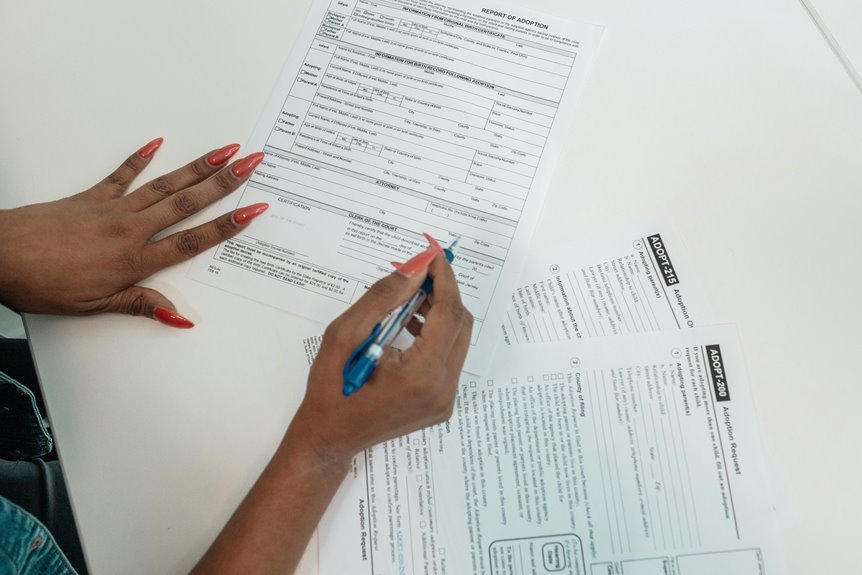
When it comes to document archiving compliance, choosing the right home scanner is essential. You need a model that not only meets high standards for resolution and speed but also helps maintain security and integrity for your sensitive documents. With various options available, it's important to know what features can make a difference. Let's explore some key considerations and top models that can meet your compliance needs effectively.
Key Takeaways
- Choose a scanner with at least 300 DPI resolution to ensure clear, compliant text images for document archiving.
- Look for models with fast scanning speeds to enhance efficiency during bulk document scanning tasks.
- Select a scanner with automatic duplex scanning to streamline the process of scanning double-sided documents.
- Ensure the scanner has reliable connectivity options like USB and Wi-Fi for flexible integration into your workflow.
- Consider security features in the scanner to protect sensitive information and maintain compliance with regulations like HIPAA or GDPR.
Understanding Document Archiving Compliance Requirements
When you're considering document archiving, it's crucial to understand compliance requirements that apply to your industry. Different sectors, like healthcare or finance, have specific regulations for data retention and privacy.
You'll need to familiarize yourself with laws such as HIPAA or GDPR, depending on your field. These regulations dictate how long you must keep documents and how to protect sensitive information.
Ignoring these requirements can lead to hefty fines or legal issues, so take time to research and ensure you're compliant.
You should also keep in mind the security measures necessary to safeguard archived documents, as breaches could further complicate compliance.
Key Features to Look for in a Home Scanner
Choosing the right home scanner can significantly enhance your document archiving process.
First, look for a scanner with high resolution to ensure clear, readable images. A minimum of 300 DPI is ideal for text documents.
Next, consider speed; a scanner that processes multiple pages per minute will save you time. Automatic duplex scanning is a plus, allowing you to scan both sides of a page simultaneously.
Make sure it has a reliable document feeder for bulk scanning tasks. Additionally, check for connectivity options like USB and Wi-Fi, which provide flexibility in where you can work.
Lastly, compatibility with popular document management software can streamline your archiving efforts and improve compliance with regulations.
Top Home Scanner Models for Document Archiving
Several top home scanner models stand out for effective document archiving, each offering unique features to meet your needs.
Here are four you should consider:
- Fujitsu ScanSnap iX1600: Known for its user-friendly interface and wireless capabilities, it's perfect for scanning stacks of documents quickly.
- Epson WorkForce ES-500W: This model boasts fast scanning speeds and good sheet capacity, making it ideal for busy home offices.
- Canon imageFORMULA R40: With excellent image quality and versatility, it handles various document types well.
- Brother ADS-2700W: This scanner offers robust security features and wireless connectivity, ensuring your documents are safe and accessible.
Choose one that fits your archiving needs and enjoy efficient document management!
Best Practices for Digitizing Documents
Selecting the right scanner is just the beginning of an efficient document archiving process.
Start by organizing your documents into categories, which makes scanning easier. Ensure you clean each document before scanning to avoid any dirt or smudges affecting the quality.
Choose the appropriate resolution; typically, 300 DPI works well for text documents. Use a consistent file naming convention to keep everything organized. Save files in a widely accepted format like PDF, which helps maintain document integrity.
After scanning, double-check your files for clarity and completeness. Finally, back up your digital documents regularly to prevent data loss.
Following these best practices will streamline your digitization efforts and enhance your overall archiving process.
Maintaining Compliance After Digitization
While digitizing documents can significantly enhance efficiency, maintaining compliance with legal and regulatory standards is crucial.
To ensure your digitized documents remain compliant, follow these key steps:
- Establish a retention policy: Determine how long you need to keep different types of documents.
- Secure storage: Use encrypted storage solutions to protect sensitive data from unauthorized access.
- Regular audits: Schedule periodic reviews to confirm that your digitized documents meet compliance requirements.
- Train staff: Ensure everyone understands the importance of compliance and knows how to handle digital documents properly.
Frequently Asked Questions
Can I Use a Smartphone for Document Archiving?
Yes, you can use your smartphone for document archiving. Many apps allow you to scan, save, and organize documents easily. Just make sure to choose one that offers quality images and reliable storage options.
How Do I Securely Store Scanned Documents?
To securely store scanned documents, use encrypted cloud services or external hard drives. Regularly back up your files, and consider using password protection. Always ensure your device has updated security software to prevent unauthorized access.
What File Formats Are Best for Archiving?
When you archive documents, opt for formats like PDF or TIFF. They offer long-term stability and compatibility. Avoid using proprietary formats that might become obsolete, ensuring your files remain accessible and secure for years to come.
Are There Legal Implications for Digital Signatures?
Yes, there are legal implications for digital signatures. They must comply with regulations like the ESIGN Act and UETA to be valid. Always ensure your signatures meet legal requirements to avoid potential disputes or challenges.
How Often Should I Update My Scanning Equipment?
You should update your scanning equipment every few years or whenever you notice performance issues. Keeping your technology current ensures better quality scans and compliance with evolving standards, enhancing your efficiency and productivity in the long run.