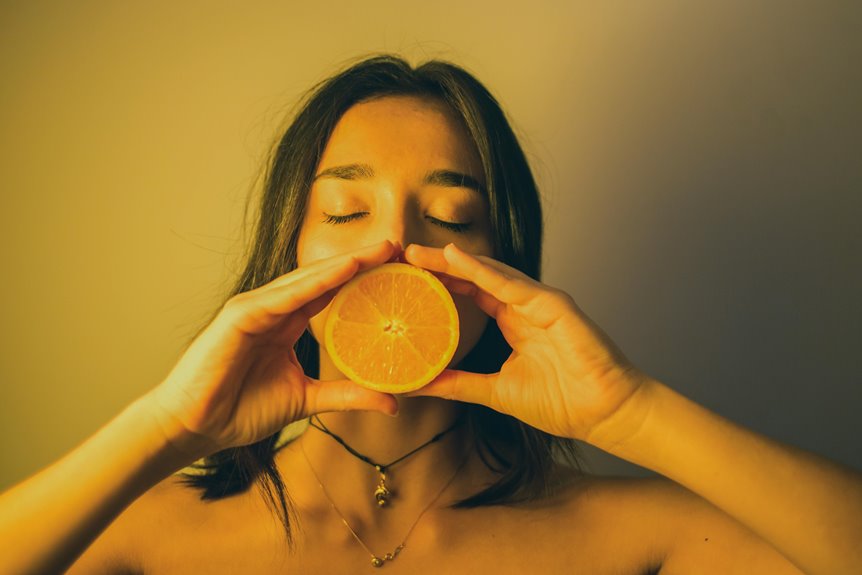
To avoid that unsettling “ghost story” look from below-face lighting, choose soft, warm light sources instead of harsh bulbs. Position your lights at eye level or slightly above to reduce unflattering shadows. Use diffusers like white curtains to soften the light, and incorporate multiple light sources at different angles for even illumination. Experiment with reflectors and colors to enhance your setup. You’ll discover even more tips on creating flattering lighting as you continue exploring!
Key Takeaways
- Position light sources at eye level or slightly above to minimize unsettling shadows on the face.
- Avoid lighting from below, as it accentuates unflattering features and creates an eerie atmosphere.
- Use diffusers, like white sheets or curtains, to soften harsh direct lighting and enhance facial illumination.
- Experiment with reflectors opposite the main light source to fill in shadows and create a balanced, flattering effect.
- Utilize dimmers to control brightness and adjust light distance, enhancing natural features while avoiding intense shadows.
Understanding the Effects of Underlighting
When you think about lighting in your space, consider how underlighting can create unsettling shadows and an eerie atmosphere. This type of lighting casts shadows upward, accentuating features of your face in a way that’s often unflattering. It highlights your cheekbones and under your eyes, making them appear deeper and more pronounced.
Instead of a warm, inviting glow, you’ll find that underlighting can evoke feelings of discomfort or even fear. It’s important to recognize how this effect plays into the overall mood of your environment.
If you want to maintain a cozy and welcoming atmosphere, steer clear of underlighting in favor of softer, more diffuse sources. Your guests will thank you for avoiding that ghostly look!
Choosing the Right Light Source
To create the right ambiance in your space, choosing the appropriate light source is essential. You’ll want to avoid harsh or overly bright lights that can accentuate unwanted shadows.
Instead, look for fixtures that provide a balanced, even glow. LED bulbs are a great option because they come in various color temperatures, allowing you to select a warmer light that complements your skin tone.
Consider using floor lamps or table lamps that direct light at eye level, rather than downwards. Dimmer switches can also give you control over the intensity of the light, making it easier to set the mood.
Softening the Light
Even with the right light source, achieving the perfect ambiance requires softening the light. Harsh, direct lighting can create unflattering shadows and that dreaded ghostly look.
To soften the light, you can use diffusers, which scatter the light and create a more flattering glow. If you don’t have a diffuser, a simple white sheet or curtain can work wonders too.
Alternatively, try bouncing the light off a wall or ceiling; this indirect method helps to reduce harshness. You might also consider using a lower wattage bulb or adjusting the distance between the light source and your face.
Positioning the Light Effectively
Positioning the light effectively can make all the difference in creating an inviting atmosphere. Start by placing your light source at eye level or slightly above. This helps to illuminate your face evenly, avoiding that eerie shadow effect.
Make sure the light’s direction is aimed toward you, not from below, as this can create unflattering shadows. If you’re using multiple light sources, try to position them at angles that complement each other, filling in shadows without causing harsh contrasts.
Experimenting With Angles
Finding the right angle for your light source can dramatically change the way you appear on camera or in a room.
When you experiment with angles, you’ll discover how subtle shifts can enhance your look.
Here are three tips to contemplate:
- Eye Level: Position the light at eye level for a flattering and natural appearance. This reduces harsh shadows and creates a warm effect.
- Side Lighting: Try placing the light to the side for a dramatic effect. This can add depth and interest to your features.
- High Angle: Experimenting with lights from above can create a soft, ethereal glow. Just be cautious, as it may also emphasize shadows if overdone.
Play around with these angles to find what works best for you!
Incorporating Additional Light Sources
While natural light can work wonders, incorporating additional light sources can elevate your setup considerably.
Using softboxes or LED panels can help you achieve a more flattering and even illumination. Position these lights at eye level or slightly above to eliminate any unflattering shadows. You can also experiment with colored gels to add creativity and mood to your shots.
If you’re filming or photographing indoors, consider using floor lamps or even desk lamps to fill in shadows and brighten your face. Just make sure to diffuse the light if it’s too harsh.
Utilizing Reflectors for Better Balance
Using reflectors can dramatically improve your lighting balance and enhance your subject’s features.
You’ll want to explore different types of reflectors and how their placement can affect your overall composition.
Let’s look at how to choose the right reflector and position it for ideal results.
Types of Reflectors
When it comes to achieving balanced lighting in your photography or film projects, choosing the right type of reflector can make all the difference.
Reflectors help you manipulate light to create a more flattering effect without harsh shadows. Here are three types you might consider:
- White Reflectors: These provide soft, diffused light and are great for natural-looking highlights.
- Silver Reflectors: They offer a more intense, focused light, making colors pop and adding contrast.
- Gold Reflectors: Perfect for warm tones, these reflectors can create a sun-kissed glow, ideal for portraits.
Placement Techniques
To achieve ideal lighting in your shots, understanding the placement of reflectors is essential. Position your reflectors at angles that bounce light toward your face, effectively softening shadows and preventing that stark “ghost story” effect.
Start by placing a reflector opposite your primary light source; this helps fill in shadows without overpowering the main light. Experiment with different distances and angles—closer reflectors create a more intense fill, while those further away provide a subtler effect.
If you’re shooting outdoors, consider using a gold or silver reflector to enhance warmth and contrast. Always assess the results on camera; minor adjustments can greatly enhance your lighting balance, ensuring you look your best without the eerie shadows.
Adjusting Your Own Position
Adjusting your own position can dramatically affect the lighting in your scene, ensuring you capture the right mood without adding unwanted shadows. Here’s how to do it effectively:
- Angle Your Body: Rotate slightly away from the light source. This helps to soften shadows and create a more flattering look on your face.
- Change Your Height: If possible, elevate or lower yourself. Adjusting your height relative to the light can enhance the overall effect and minimize harsh contrasts.
- Use Your Background: Position yourself against a non-reflective backdrop. This prevents unwanted light bouncing back onto you, allowing for cleaner, more focused lighting.
Adding Color and Filters
Positioning yourself correctly sets the stage for great lighting, but adding color and filters can elevate your scene even further.
Consider using colored gels over your light source to create mood and depth. A warm filter can soften harsh shadows, while a cool one can add a dramatic touch. Experiment with different hues to see how they affect your appearance; subtle changes can make a big difference.
You can also use reflective surfaces, like colored walls or props, to bounce light back onto your face, enhancing your features.
Just remember to keep it balanced—too much color can distract from your message. By thoughtfully incorporating color and filters, you can transform your lighting from ordinary to extraordinary.
Testing and Tweaking Your Setup
Testing your lighting setup is essential for achieving the best results, and it’s often the little tweaks that make the biggest difference.
Start by observing how light interacts with your face and surroundings. Here are three key adjustments to take into account:
- Adjust the Angle: Experiment with the position of your light source. A slight change can eliminate harsh shadows and create a more flattering look.
- Modify Intensity: Use dimmers or adjust the distance of your light. Softer lighting can reduce that “ghost story” effect and enhance your features.
- Test Different Colors: Try various color temperatures to find what complements your skin tone best, avoiding any unnatural hues.
Keep tweaking until you find the perfect balance for a natural, inviting glow!
Frequently Asked Questions
What Is the Best Type of Bulb for Avoiding Underlighting?
When you’re chasing the perfect lighting, think of bulbs that cast a warm glow, like the sun’s embrace at dawn. LED bulbs with high CRI enhance colors and create a natural, inviting ambiance, so you won’t worry.
How Does Skin Tone Affect the Appearance of Underlighting?
Underlighting can enhance shadows on your skin, making tones appear darker or uneven. If you have lighter skin, it might look ghostly, while deeper tones may just seem more pronounced. Experiment with angles to find balance.
Can I Use Natural Light to Prevent Ghostly Effects?
Absolutely, you can use natural light to minimize ghostly effects. Position yourself facing a window during the day, allowing soft, even light to illuminate your face and reduce harsh shadows that create unflattering appearances.
Are There Specific Settings on Cameras to Reduce Underlighting Effects?
Did you know that 70% of people notice poor lighting in photos? To reduce underlighting effects, adjust your camera settings—try increasing exposure or using a wider aperture to enhance the light capturing capability.
What Common Mistakes Should I Avoid When Lighting My Face?
When lighting your face, avoid harsh shadows, overly bright lights, and uneven lighting. Position your light source at eye level, use diffusers for softer illumination, and guarantee your background isn’t distracting to enhance your overall appearance.