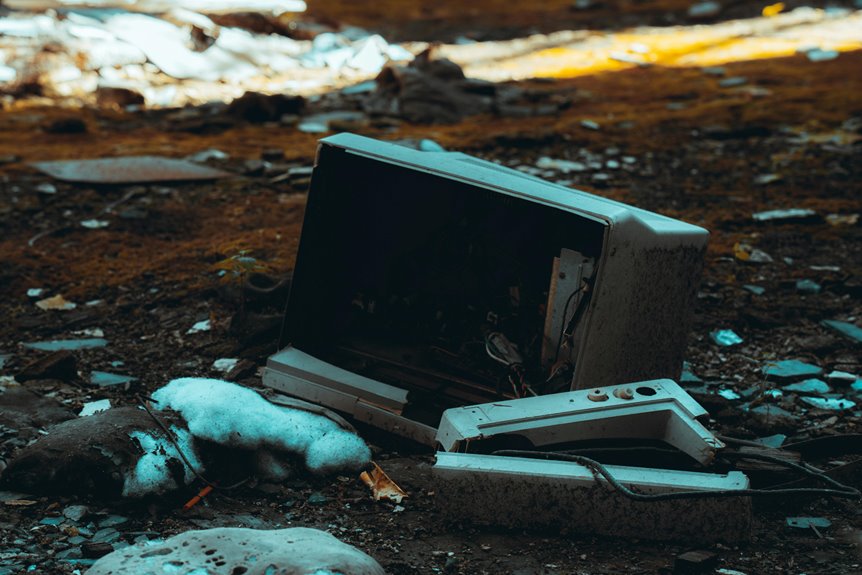
When it comes to disposing of old home office electronics, you might not realize the impact your choices can have. It’s essential to handle e-waste properly to protect personal data and the environment. Many people overlook simple steps that can make a significant difference. Are you aware of the best practices for ensuring your devices don’t end up in a landfill? Let’s explore the most effective ways to manage your e-waste responsibly.
Key Takeaways
- Identify outdated or non-functional devices and assess their condition before deciding on disposal methods.
- Securely erase personal data using reliable data wiping software or physical destruction methods to protect your information.
- Research local e-waste recycling options through city waste management or electronics stores for proper disposal.
- Consider disassembling devices to recycle components like batteries, circuit boards, and cables separately.
- Participate in community e-waste collection events to ensure safe and environmentally responsible disposal of your electronics.
Understanding E-Waste and Its Impact
E-waste, or electronic waste, refers to discarded electronic devices like computers, smartphones, and televisions. When you throw away these items, they can have a significant impact on the environment.
Many of these devices contain hazardous materials, such as lead and mercury, which can leach into soil and water supplies, harming ecosystems and human health. Additionally, e-waste represents a massive loss of valuable resources, as precious metals and components could be recycled and reused.
Identifying Your Old Electronics
How can you recognize which of your electronics are no longer useful? Start by looking for devices that haven’t been used in a while or are gathering dust.
You might also consider the age of the electronics; if they’re several generations behind, they probably don’t meet your needs anymore.
Here are some signs that your devices might be outdated:
- They frequently crash or freeze
- They can’t run the latest software or apps
- The battery life has considerably diminished
- They’re incompatible with other devices or systems
- They require constant repairs or troubleshooting
Assessing the Condition of Your Devices
Before deciding to dispose of your old electronics, it’s essential to assess their condition. Start by checking if the devices still power on and function properly.
Look for any physical damage, like cracks or dents, that might affect their usability. Consider whether they can be repaired or upgraded; sometimes, a simple fix can extend their life.
If they’re outdated but still operational, think about donating them to schools or local charities. On the other hand, if they’re completely non-functional and beyond repair, it’s time to move on.
Taking the time to evaluate your devices guarantees you make informed decisions about disposal, recycling, or repurposing, allowing you to contribute to a more sustainable environment.
Researching Local E-Waste Recycling Options
Where can you find reliable e-waste recycling options in your area? Start by searching online for local recycling centers that specialize in electronics.
You can also check with your city’s waste management department for specific guidelines. To make your research easier, consider these options:
- Local recycling events: Many communities host regular e-waste collection days.
- Retail drop-off locations: Some electronics stores accept old devices for recycling.
- Non-profit organizations: Look for charities that accept e-waste donations.
- Community bulletin boards: Local libraries or community centers often post e-waste recycling information.
- Social media groups: Join local groups to get recommendations from your neighbors.
Participating in Manufacturer Take-Back Programs
After exploring local e-waste recycling options, you might want to contemplate participating in manufacturer take-back programs.
Many electronics manufacturers offer these programs to help you responsibly recycle or dispose of their products. By returning your old devices to the original manufacturer, you guarantee that they’re handled properly, reducing environmental harm.
Check the manufacturer’s website for specific guidelines on how to participate, as processes may vary. Some companies even provide prepaid shipping labels, making it easy to send your old electronics back.
Not only does this help the environment, but it also supports responsible production practices.
Donating Usable Electronics
Donating usable electronics is a fantastic way to extend the life of your devices while benefiting others. You can help individuals and organizations in need, reduce waste, and contribute to a more sustainable future.
Before you donate, make sure your electronics are in good working condition. Here are some items you can consider donating:
- Laptops and desktops
- Printers and scanners
- Smartphones and tablets
- Monitors and keyboards
- External hard drives
Research local charities, schools, or community centers that accept donations. They often appreciate working devices that can enhance learning or productivity.
Plus, you’ll feel good knowing your old electronics are making a positive impact instead of ending up in a landfill.
Utilizing E-Waste Collection Events
When it comes to recycling your old electronics, e-waste collection events are a great option.
Check local schedules to find when and where these events take place, and make sure you know which items are accepted.
Local Collection Locations
Finding local collection locations for e-waste is easier than you might think. Many communities host e-waste collection events throughout the year, and you can take advantage of these opportunities to properly dispose of your old electronics.
To find a collection event near you, consider these options:
- Check your city or county’s website for scheduled events.
- Visit local recycling centers that accept e-waste.
- Look for community bulletin boards or newsletters announcing collection days.
- Search online for organizations that specialize in e-waste recycling.
- Ask friends or neighbors if they know of any upcoming events.
Event Scheduling Tips
To make the most of e-waste collection events, plan ahead to guarantee you don’t miss out on these valuable opportunities.
Start by checking local announcements or community boards for scheduled events in your area. Mark your calendar and set reminders a week in advance.
It’s also wise to gather your old electronics ahead of time, so you’re ready to go when the event arrives. Consider carpooling with friends or neighbors to make the trip more convenient and eco-friendly.
If possible, arrive early to avoid long lines, ensuring you can quickly drop off your items.
Finally, stay informed about any specific guidelines for the event, so you know exactly what to bring along.
Accepted Electronic Items
Understanding which electronic items are accepted at e-waste collection events is essential for ensuring your recycling efforts are effective.
Many local events have specific guidelines, so it’s wise to check beforehand. Generally, you can recycle the following items:
- Desktop and laptop computers
- Monitors and televisions
- Printers and fax machines
- Mobile phones and tablets
- Keyboards and mice
Securely Erasing Personal Data
Before you get rid of your old devices, it’s essential to back up your important files.
Once you’ve secured your data, use reliable data wiping software to erase everything.
If you’re looking for extra security, consider physical destruction methods to guarantee your information is completely gone.
Backup Important Files First
As you prepare to dispose of your electronic devices, backing up important files first is crucial to protect your personal data. You don’t want to lose valuable information when moving on to new equipment.
Here are some steps to make certain your files are secured:
- Choose a backup method: Use an external hard drive, cloud storage, or both.
- Organize your files: Sort documents, photos, and other items for easier backup.
- Check for duplicates: Remove any unnecessary files to save space.
- Verify your backups: Confirm everything you need is successfully stored.
- Keep a copy: Maintain a secondary backup for added security.
Taking these steps will help make certain you don’t lose crucial information before properly disposing of your old electronics.
Use Data Wiping Software
Backing up your important files is just the first step in guaranteeing your data remains safe.
Once you’ve secured your files, it’s vital to erase any personal data from your old electronics. Using data wiping software is a reliable way to achieve this. These programs overwrite your data multiple times, making it nearly impossible for anyone to recover it.
Look for reputable software that meets industry standards, like DoD 5220.22-M or NIST 800-88. Before running the software, confirm you’ve backed up everything you want to keep.
After the process, verify that the data has been wiped successfully. This step is essential to protect your sensitive information and maintain your privacy before recycling or disposing of your old electronics.
Physical Destruction Methods
While data wiping software is effective, some individuals may prefer more definitive methods for ensuring their personal data is irretrievable.
Physical destruction can provide peace of mind, as it leaves no chance for recovery. Here are some common methods you can use:
- Shredding: Use an industrial shredder to completely destroy hard drives.
- Drilling: Drill holes through the drive to render it unusable.
- Hammering: Smash the drive with a hammer to physically break it apart.
- Incineration: Burn the components to obliterate any data.
- Degaussing: Use a degausser to disrupt the magnetic field, erasing stored data.
Disassembling and Separating Components
When you decide to tackle e-waste, disassembling and separating components is an essential step that can make recycling more effective. By breaking down devices, you can verify that materials are processed correctly and reused efficiently. Start with basic tools like screwdrivers and pliers, and be careful while handling fragile parts.
Here’s a quick reference table to guide you:
| Component | Recycling Method |
|---|---|
| Circuit Boards | E-waste recycling center |
| Batteries | Local hazardous waste |
| Plastic Casings | Municipal recycling |
| Hard Drives | Data destruction service |
| Cables and Wires | Scrap metal recycling |
Exploring Creative Reuse Solutions
You can turn your old electronics into something new and useful through upcycling.
Consider donating them or participating in community sharing programs to give your devices a second life.
These creative reuse solutions not only reduce e-waste but also benefit others in your community.
Upcycling Old Electronics
As technology evolves, many old electronics end up discarded, but there are creative ways to breathe new life into them through upcycling.
Instead of tossing those outdated devices, consider transforming them into something useful or artistic. Here are some fun ideas to inspire your upcycling journey:
- Turn an old keyboard into a unique picture frame.
- Create a lamp using an old computer monitor.
- Use a smartphone case as a mini first-aid kit.
- Transform a hard drive into a stylish clock.
- Repurpose an empty printer cartridge as a planter.
Donation and Community Sharing
While many people might think of tossing their old electronics, donating them can be a smart and sustainable choice. Consider local schools, nonprofits, or community centers that might benefit from your unused devices. They often welcome laptops, printers, and monitors to enhance their resources.
You can also check for local charities that specialize in refurbished electronics; they’ll guarantee your donation goes to someone in need.
Additionally, you could explore online platforms for community sharing. Websites like Freecycle or Buy Nothing groups let you connect with individuals in your area who are keen to repurpose what you no longer need.
Following Safe Disposal Guidelines
To guarantee that e-waste is disposed of safely, it’s crucial to follow specific guidelines designed to protect both the environment and your community.
Proper e-waste disposal is essential for safeguarding the environment and our communities. Follow guidelines to ensure safety.
Start by researching local e-waste recycling programs, as they often provide designated drop-off locations. Make sure to remove personal data from devices to safeguard your privacy. Additionally, check if any components can be reused or refurbished.
Here are some key points to take into account:
- Use certified e-waste recyclers to secure ethical processing.
- Don’t mix e-waste with regular trash; it can cause environmental harm.
- Follow local regulations regarding hazardous materials.
- Attend community e-waste collection events for safe disposal.
- Educate yourself about the impacts of improper e-waste disposal.
Educating Others About E-Waste Management
Understanding e-waste management is essential not just for your own practices, but also for influencing those around you. Start by sharing what you’ve learned about responsible disposal methods with family and friends.
Host a small workshop or organize a community event to raise awareness about the impact of e-waste on the environment. Use social media to spread the message; share articles, tips, and local recycling options.
Encourage others to think before they toss old electronics in the trash. Provide information on the dangers of improper disposal and the benefits of recycling.
Frequently Asked Questions
What Types of Electronics Are Considered E-Waste?
E-waste includes various electronics like computers, laptops, printers, and televisions. If you’ve got broken gadgets, batteries, or old phones lying around, they all count as e-waste and should be handled responsibly to protect the environment.
Can I Throw E-Waste in Regular Trash?
Did you know that over 50 million tons of e-waste are generated globally each year? You can’t just toss e-waste in regular trash; it’s harmful to the environment and may be illegal in your area.
Are There Fees for E-Waste Recycling?
Yes, there might be fees for e-waste recycling, depending on your local regulations and the facility you choose. It’s best to check in advance to understand any costs involved before you proceed.
How Can I Find Nearby E-Waste Collection Events?
You can find nearby e-waste collection events by checking local government websites, community bulletin boards, or environmental organizations. They often list upcoming events, making it easy for you to dispose of your electronics responsibly.
What Happens to My Electronics After Recycling?
You might worry that recycling won’t make a difference, but it does. After recycling, your electronics are dismantled, with valuable materials recovered and hazardous components safely processed, ensuring a positive environmental impact and promoting sustainability.