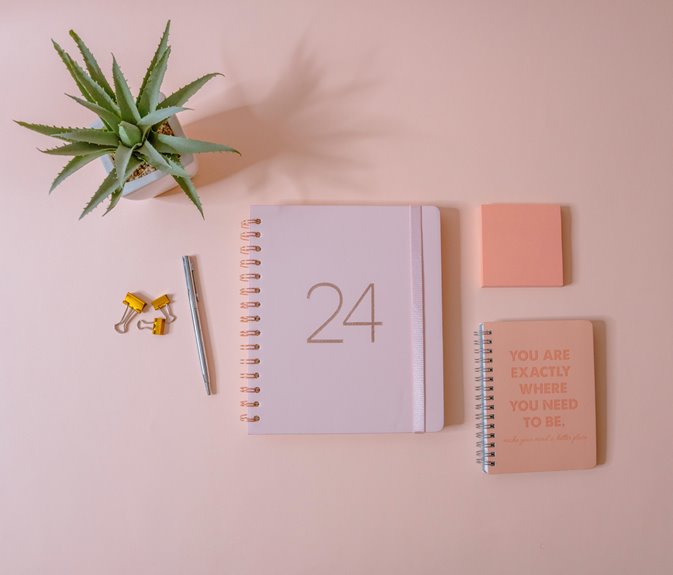
The color of your workspace walls can greatly influence your work focus. Warm colors like red and orange energize creativity, while cool hues like blue and green promote calmness and clarity. Shades of yellow can stimulate your mind, while gray minimizes distractions. For a less stressful environment, soft blues and gentle greens are ideal. Choosing the right color can align with your work style and enhance productivity. Curious about how to choose the perfect hue for your space?
Key Takeaways
- Wall color directly impacts mood, with blue and green enhancing focus and reducing distractions in the workspace.
- Calming hues like soft blues and gentle greens help alleviate stress, promoting relaxation and concentration on tasks.
- Bright colors, such as yellow and orange, boost creativity and optimism, encouraging innovative thinking in work environments.
- Neutral tones, like gray, minimize distractions, supporting deeper focus and analysis during complex tasks.
- Testing paint samples in various lighting can help determine which color best enhances productivity and focus for your specific work style.
The Psychology of Color in Workspaces
When you step into a workspace, the colors that surround you can greatly impact your mood and productivity. Your brain associates colors with feelings and behaviors, making them powerful tools in any work environment.
For instance, warm colors like red and orange can energize you, sparking creativity and enthusiasm. Conversely, cool colors such as blue and green often evoke calmness and balance, helping you feel relaxed and focused.
Bright, vibrant colors can stimulate your senses, while muted tones may promote a sense of tranquility. By choosing the right colors for your workspace, you can create an atmosphere that aligns with your work style and objectives, ultimately enhancing your overall experience and performance throughout the day.
Colors That Enhance Focus and Concentration
While certain colors can energize you, others are specifically designed to enhance focus and concentration. Choosing the right hues can create an environment that promotes productivity and minimizes distractions.
Certain colors can boost focus and productivity, creating an ideal workspace that minimizes distractions.
Here are four colors to contemplate for your workspace:
- Blue: Known for its calming effect, blue encourages clear thinking and creativity.
- Green: This color brings balance and harmony, reducing eye strain while improving concentration.
- Yellow: A bright and cheerful color, yellow stimulates mental activity and encourages optimism.
- Gray: Neutral and sophisticated, gray helps minimize distractions and allows for deeper focus.
Incorporating these colors into your workspace can greatly boost your ability to concentrate and achieve your goals.
Calming Hues for Stressful Environments
Creating a workspace that enhances focus isn’t just about vibrant colors; it’s also important to take into account calming hues that can help alleviate stress.
Soft blues and gentle greens are excellent choices for your walls. These colors evoke a sense of tranquility and can reduce anxiety, making it easier for you to concentrate. Incorporating shades like lavender or pale peach can also create a soothing atmosphere, promoting relaxation.
When you surround yourself with these calming hues, you’re likely to feel more at ease, allowing your mind to focus on tasks without feeling overwhelmed.
Energizing Shades to Boost Creativity
Vibrant colors can play an essential role in sparking creativity within your workspace. By choosing energizing shades, you can transform your environment and ignite your imagination.
Here are four colors that can help boost your creativity:
- Yellow: This cheerful hue stimulates optimism and encourages innovative thinking.
- Orange: A warm, inviting color that fosters enthusiasm and promotes collaboration.
- Green: Reminiscent of nature, green inspires balance and refreshes your mind for new ideas.
- Turquoise: This lively shade evokes feelings of tranquility while enhancing creative expression.
Incorporating these colors into your workspace can set the stage for a more dynamic and imaginative atmosphere, helping you to think outside the box and explore new possibilities.
Practical Tips for Choosing the Right Wall Color
When selecting the right wall color for your workspace, it’s essential to reflect on how different hues can influence your mood and productivity.
Start by pondering your work style; if you’re creative, opt for energizing colors like yellow or orange. For analytical tasks, cooler tones like blue or green can enhance focus and calm.
Consider your work style: energizing yellows and oranges for creativity, or calming blues and greens for focused analysis.
Test paint samples in your space to see how they look in different lighting throughout the day. Don’t forget to take into account the size of your workspace; lighter colors can make a small room feel bigger, while darker shades can create a cozy atmosphere.
Finally, think about how the color complements your furnishings and personal style. Choose a color that inspires you and creates the right environment for your work.
Frequently Asked Questions
How Do Lighting Conditions Affect Wall Color Perception?
Lighting conditions considerably impact how you perceive wall colors. Bright lights can make colors appear more vibrant, while dim lighting may dull them. Adjusting your lighting can change the mood and feel of your space.
Can Wall Color Impact Employee Mood and Productivity?
Yes, wall color can impact your mood and productivity. Bright colors energize you, while softer tones create calm. Choosing the right shade can help improve your focus, motivation, and overall workplace atmosphere.
Are There Cultural Differences in Color Perception?
Yes, there are cultural differences in color perception. You might find that colors evoke different emotions or meanings depending on cultural backgrounds. Understanding these nuances can enhance your communication and design choices in diverse environments.
How Often Should I Repaint for Optimal Focus?
You should repaint every few years to keep your space fresh and stimulating. Regular updates prevent color fatigue, helping maintain your focus. Pay attention to how colors affect your mood and adjust accordingly.
What Are the Best Colors for Virtual Workspaces?
For virtual workspaces, consider using calming blues or energizing yellows. These colors stimulate creativity and focus. You’ll find that a well-chosen color can enhance your productivity and create a more inviting atmosphere for your online work.