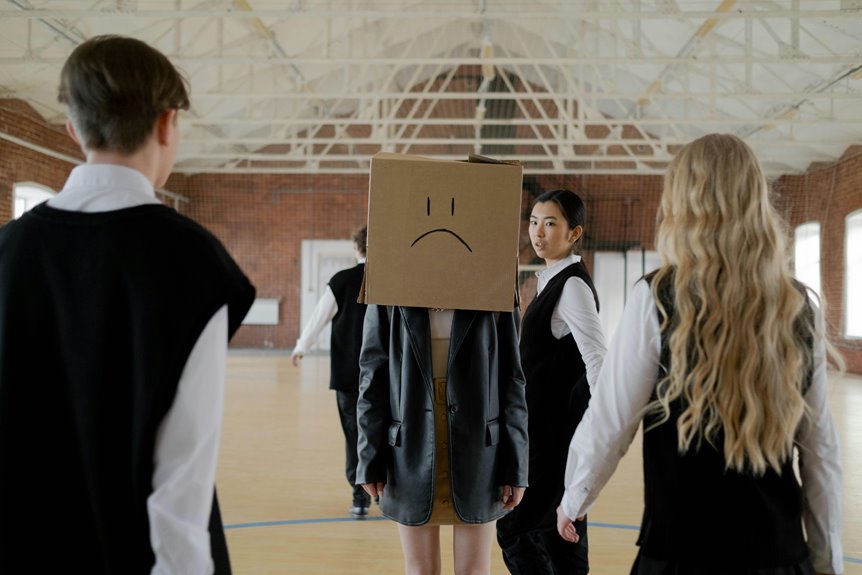
Non-verbal communication in video calls can be as critical as the words you choose. Different cultures interpret gestures, eye contact, and facial expressions in unique ways that can either enhance or hinder your message. For instance, what feels like a confident gaze to you might be seen as confrontational elsewhere. Understanding these nuances can make all the difference in your interactions. So, how can you guarantee your non-verbal cues resonate positively across diverse cultural backgrounds?
Key Takeaways
- Cultural differences in eye contact can signify confidence or disrespect; adjust your approach based on the cultural context of your audience.
- Facial expressions, such as smiling, are generally positive, but ensure they align with your tone for authenticity in communication.
- Posture reflects engagement; sitting up straight and leaning forward can enhance perceptions of professionalism and interest during video calls.
- Hand gestures should be used sparingly, as their meanings can vary widely; what is positive in one culture may be offensive in another.
- A clean, well-lit background helps maintain professionalism and reduces distractions, allowing for better focus on non-verbal cues during conversations.
The Importance of Non-Verbal Communication
Non-verbal communication plays an essential role in how you connect with others during video calls. It encompasses body language, gestures, and posture, all of which can convey your engagement and interest.
When you lean slightly forward, it shows attentiveness, while crossed arms might signal defensiveness. Eye contact, even through a screen, is vital; it helps build trust and rapport.
In video calls, your environment matters too—ensure good lighting and a tidy background to maintain professionalism. The way you use your hands can emphasize points and keep conversations lively.
By being aware of these cues, you enhance your interactions and foster more meaningful connections, making your communication more impactful and effective.
Don’t underestimate the power of non-verbal signals in your conversations.
Facial Expressions: Universal or Culturally Specific?
Facial expressions play a considerable role in conveying emotions and intentions during video calls, just like other forms of non-verbal communication. While some facial expressions are universal, like smiling to show happiness, others can differ considerably across cultures. Understanding these nuances can enhance your communication effectiveness.
| Expression | Universal Meaning | Cultural Variation |
|---|---|---|
| Smile | Happiness | Can indicate politeness in some cultures |
| Frown | Discontent | May express concern in others |
| Raised Eyebrows | Surprise | Can indicate questioning in specific contexts |
| Furrowed Brow | Concern | Might signal anger in different cultures |
The Role of Eye Contact in Different Cultures
When engaging in video calls, the role of eye contact varies considerably across cultures, influencing how messages are perceived.
In many Western cultures, direct eye contact signifies confidence and attentiveness. You might notice that maintaining eye contact establishes a connection and fosters trust.
However, in several Asian cultures, prolonged eye contact can be seen as disrespectful or confrontational. You may want to adapt your gaze by occasionally looking away to show respect.
In some Middle Eastern cultures, eye contact is essential, but it can also come with different expectations regarding intensity.
Being aware of these cultural nuances helps you navigate conversations more effectively, allowing for smoother interactions and better understanding during your video calls.
Gestures: What’s Acceptable and What’s Not
How do gestures impact your communication during video calls? They can greatly enhance or hinder your message, depending on the cultural context. Understanding what gestures are acceptable is essential.
Here are some guidelines to keep in mind:
- Thumbs Up: Generally positive in many cultures, but can be offensive in others.
- Pointing: Directing at someone can be seen as rude; use an open hand instead.
- Nodding: A universal sign of agreement, but be cautious—some cultures interpret it differently.
- Handshakes: Often acceptable in business contexts, but check cultural norms first.
Being mindful of these gestures can help you communicate effectively and foster better relationships during video calls across cultures.
Proxemics: Understanding Personal Space
Personal space plays an essential role in communication during video calls, influencing how your message is received. In different cultures, the perception of personal space varies greatly. You might feel comfortable sitting close to a colleague, while someone from a culture valuing larger personal space could perceive this as intrusive. Understanding these nuances can help you avoid misunderstandings.
During video calls, it’s vital to keep a respectful distance from the camera, ensuring you’re visible but not overwhelming the screen. This balance promotes a sense of intimacy without crossing boundaries.
To foster effective communication, be mindful of your positioning and the cultural context of your audience, as this awareness can enhance engagement and connection during virtual interactions.
Body Language: Posture and Movement
Your posture and movement during video calls can say a lot about your engagement and confidence.
Different cultures interpret body language in unique ways, so being mindful of your stance and gestures is essential.
Understanding these nuances can enhance your communication and connection with others.
Cultural Posture Variations
While engaging in video calls, understanding cultural posture variations is essential for effective communication.
Different cultures exhibit unique postures that convey varying levels of respect, confidence, and engagement. Being aware of these differences can enhance your interactions.
- In some cultures, leaning forward shows interest, while in others, it may be seen as intrusive.
- Crossed arms might indicate defensiveness in one culture and comfort in another.
- Sitting up straight often signals professionalism, but relaxed postures can indicate approachability in others.
- Maintaining eye contact differs, as it can be respectful in some cultures but disrespectful in others.
Significance of Movement
Movement plays an essential role in video calls, as it can greatly influence how messages are received. When you shift your posture, lean in, or use hand gestures, you’re emphasizing your points and engaging your audience. This body language helps convey enthusiasm and confidence, making your communication more impactful.
Conversely, slouching or remaining still can signal disinterest or discomfort, potentially leading to misunderstandings.
Different cultures interpret movement differently, so being aware of these nuances is significant. For instance, while some cultures appreciate animated gestures, others may prefer a more restrained approach.
Adapting your movement style to your audience can enhance your message and foster better connections, making you more effective in virtual interactions.
The Influence of Cultural Context on Communication
As you engage in video calls, the cultural context surrounding you shapes not only what you say but how you express it non-verbally. Different cultures interpret gestures, facial expressions, and body language in unique ways, influencing your communication style.
Being aware of these variations can enhance your interactions and avoid misunderstandings.
- Eye contact: In some cultures, direct eye contact signifies confidence; in others, it may seem disrespectful.
- Gestures: A thumbs-up may mean approval in one culture but can be offensive in another.
- Personal space: Different cultures have various norms regarding how close you should stand or sit to others.
- Facial expressions: Some cultures encourage expressive emotions, while others value restraint.
Cultural Variations in Silence and Pauses
Have you ever noticed how silence can speak volumes during a video call? Different cultures interpret pauses and silence in unique ways. In some cultures, silence indicates thoughtfulness and respect, while in others, it may feel uncomfortable or awkward. Understanding these nuances can enhance your communication.
| Culture | Interpretation of Silence |
|---|---|
| Japanese | Respectful and contemplative |
| American | Uncomfortable and awkward |
| Finnish | Natural and comfortable |
Being aware of these variations helps you navigate conversations more effectively. You may find yourself adjusting your expectations and responses based on the cultural context of your conversation partner. Recognizing how silence affects communication can strengthen your connections across cultures.
Adaptability: Adjusting Non-Verbal Cues in Real-Time
While you might feel confident in your verbal communication, adapting your non-verbal cues during a video call is equally essential.
Adapting your non-verbal cues during video calls is crucial for effective communication.
This adaptability can greatly impact how your message is received, especially across cultures. Here are key areas to focus on:
- Eye Contact: Maintain appropriate eye contact to show engagement without overwhelming the other person.
- Facial Expressions: Use expressions that match your tone to reinforce your message and convey sincerity.
- Posture: Sit up straight and lean slightly forward to demonstrate interest and attentiveness.
- Gestures: Use hand gestures sparingly to emphasize points, but be mindful of cultural differences in interpretation.
Overcoming Misunderstandings in Cross-Cultural Interactions
When you engage in video calls with people from different cultures, misunderstandings can easily arise from differing interpretations of gestures and eye contact.
For instance, a gesture you see as positive might’ve a completely different meaning elsewhere.
Being aware of these cultural nuances can help you communicate more effectively and avoid potential pitfalls.
Cultural Interpretation of Gestures
Understanding the cultural interpretation of gestures is essential for effective communication, especially in cross-cultural interactions. Misinterpreting gestures can lead to confusion or offense, so being aware of different meanings is vital.
Here are some common examples to take into account:
- The thumbs-up sign is positive in many cultures, but in others, it’s offensive.
- Nodding usually means agreement, but in some regions, it can indicate the opposite.
- Pointing with a finger is acceptable in some cultures, while in others, it’s considered rude.
- The “OK” hand gesture can signify approval in many places but may have negative connotations elsewhere.
Eye Contact Norms
Gestures play a significant role in communication, but eye contact is just as essential, especially during video calls where visual cues are limited.
Different cultures have varying norms regarding eye contact; for instance, some view direct eye contact as a sign of confidence, while others may see it as disrespectful or confrontational.
To navigate these differences, it’s vital to understand your counterpart’s cultural background. If you’re unsure, you can start with moderate eye contact and adjust based on their response.
Being aware of these norms can help you avoid misunderstandings and foster a more comfortable interaction.
Tips for Effective Non-Verbal Communication in Video Calls
Effective non-verbal communication can make or break your video calls. To guarantee you’re conveying the right message, follow these tips:
- Maintain eye contact: Look into the camera, not just the screen; it creates a stronger connection.
- Use appropriate gestures: Hand movements can emphasize points but avoid overdoing it, as it can be distracting.
- Mind your posture: Sit up straight and lean slightly forward; it shows engagement and interest.
- Pay attention to your environment: Choose a clean, well-lit background to minimize distractions and maintain professionalism.
Frequently Asked Questions
How Do Cultural Differences Affect Video Call Etiquette?
Cultural differences can be like hidden currents in a river, shaping video call etiquette. You might find varying expectations around eye contact, greetings, and body language, so adapting your approach is essential for smooth communication.
What Technology Aids Non-Verbal Communication in Video Calls?
You’ll find that high-quality webcams, advanced microphones, and software with features like virtual backgrounds and real-time effects enhance your non-verbal communication during video calls, making your interactions clearer and more engaging for everyone involved.
Are There Specific Non-Verbal Cues to Avoid in Business Meetings?
In business meetings, it’s essential to avoid crossing your arms, excessive fidgeting, or looking at your phone. These cues can signal disinterest or defensiveness, undermining your professionalism and the meeting’s effectiveness. Stay engaged and open.
How Can Lighting Impact Non-Verbal Communication in Video Calls?
Lighting can dramatically affect your presence on video calls. It highlights your facial expressions and body language. Good lighting makes you look more engaged, while poor lighting can obscure your cues, leading to misunderstandings.
What Role Does Cultural Background Play in Understanding Silence?
Cultural background shapes how you interpret silence. In some cultures, it’s a sign of respect or contemplation, while in others, it may signal discomfort or disagreement. Understanding these nuances helps you communicate more effectively.