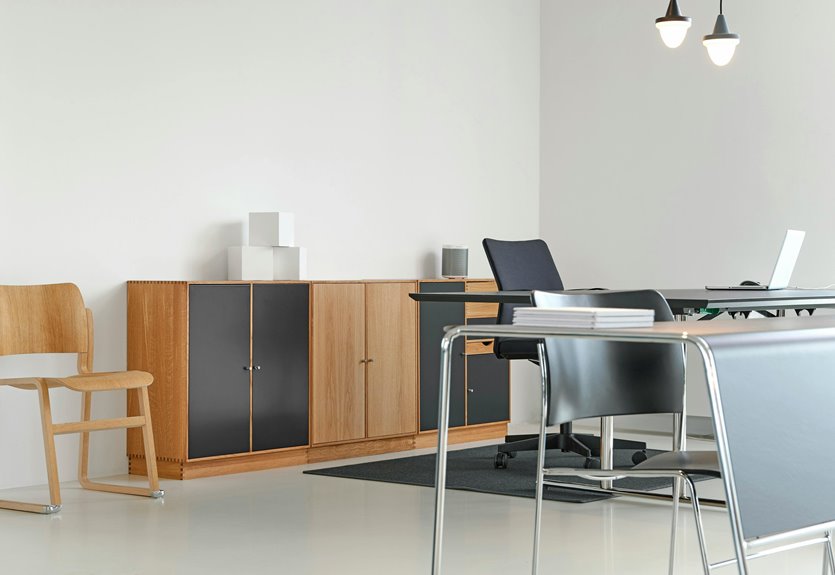
To optimize your home office with a small desk and file cabinet, first, measure your space and choose a desk that fits your needs without crowding the room. Select a file cabinet that matches your organizational style and is easy to access. Maximize vertical space with shelves and declutter your desk for improved efficiency. Incorporating ergonomic setups and tech can enhance productivity. There’s plenty more you can explore to create a truly inspiring workspace.
Key Takeaways
- Choose a small desk that fits your space and meets your work needs, considering shape and built-in storage options.
- Select a file cabinet that matches your storage requirements and is easily accessible for frequently used documents.
- Opt for durable materials like steel or high-quality wood to ensure long-lasting furniture that withstands daily use.
- Maximize vertical space with wall-mounted shelves and hooks to keep your desk organized and free of clutter.
- Incorporate ergonomic setups and tech additions to enhance comfort and productivity in your home office.
Choosing the Right Small Desk for Your Space
How do you find the perfect small desk for your space? Start by measuring your area to guarantee you choose a desk that fits without overwhelming the room.
Consider the desk’s shape—L-shaped or wall-mounted options can maximize corner space. Think about your work needs; a desk with built-in storage can help keep clutter at bay.
Don’t forget about aesthetics; pick a style that complements your decor. Materials also matter; wood adds warmth, while metal offers a modern look.
Check the height to guarantee comfort while sitting or standing. Finally, consider portability; if you might rearrange your office often, lightweight designs make it easier.
With these factors in mind, you’ll find a desk that works perfectly for you.
Selecting the Perfect File Cabinet
When it comes to selecting the perfect file cabinet, you need to start by evaluating your storage needs.
Think about the size and style that will fit your home office while also considering the durability of the materials.
Finding the right balance will help you create an organized and efficient workspace.
Assess Your Storage Needs
What factors should you consider when selecting the perfect file cabinet for your home office? First, think about the types of documents you need to store. Will you keep mostly paper files, or do you need space for digital storage? Next, consider how often you access these files; a frequently used cabinet should be easily accessible. Finally, evaluate your organizational style—do you prefer a simple system or something more complex?
| Storage Type | Recommended Cabinet | Access Frequency |
|---|---|---|
| Paper Files | Vertical File Cabinet | Daily |
| Digital Files | Lateral File Cabinet | Weekly |
| Mixed Use | Mobile File Cabinet | As Needed |
| Archive Storage | Lockable Cabinet | Infrequent |
Consider Size and Style
While selecting a file cabinet, you should keep both size and style in mind to guarantee it fits seamlessly into your home office.
First, measure the space where you plan to place the cabinet. You want it to be functional without overwhelming the room. Consider a slim model if your office is small or a larger one if you have ample space.
Next, think about the style. Does your office have a modern, minimalist vibe, or is it more traditional? Choose a cabinet that complements your existing decor.
You might prefer a sleek metal finish for a contemporary look or warm wood for a cozy feel. By blending size and style, you’ll create a cohesive and efficient workspace that inspires productivity.
Evaluate Material Durability
To guarantee your file cabinet withstands the test of time, it’s essential to assess the durability of its materials. Choosing the right materials can save you from frequent replacements and repairs.
Here are four key factors to take into account:
- Steel vs. Wood: Steel cabinets are typically more durable and resistant to dents, while wooden options offer aesthetic appeal but may wear faster.
- Finish Quality: A high-quality finish can protect against scratches and moisture, extending the life of your cabinet.
- Hardware Strength: Check the quality of hinges and handles; sturdy hardware can prevent wear and tear.
- Weight Capacity: Make sure the cabinet can handle the weight of your files and items without bowing or collapsing.
With these considerations, you’ll make a wise choice.
Maximizing Vertical Space in Your Home Office
Maximizing vertical space in your home office can transform it from a cluttered workspace into an organized haven.
Start by utilizing wall-mounted shelves to store books, supplies, and decorative items, keeping your desk clear. Consider pegboards or wall grids for easy access to frequently used tools, like scissors and pens.
Tall bookcases can also add storage without consuming much floor space, while adding visual interest. Don’t forget about the area above your desk; install floating shelves for additional storage or inspiration boards.
Hooks can be used for hanging bags or headphones, further reducing clutter. By thinking vertically, you’ll not only enhance your productivity but also create a more inviting and efficient work environment.
Organizing Your Desk for Efficiency
To boost your productivity, it’s vital to organize your desk effectively.
Start by decluttering your workspace and keeping only essential office supplies within reach.
Consider utilizing vertical storage solutions to free up valuable desk space and create a more efficient environment.
Declutter Your Workspace
While a cluttered desk can be a source of distraction, organizing your workspace effectively can greatly boost your productivity.
Start by evaluating what you really need. Here are four steps to help you declutter:
- Remove Unnecessary Items: Clear off everything that doesn’t serve a purpose.
- Group Similar Items: Organize your supplies, like pens, paper, and electronics, in designated areas.
- Limit Personal Items: Keep personal decor minimal to maintain focus.
- Establish a Daily Routine: Spend a few minutes each day tidying up to maintain your organized space.
Utilize Vertical Storage
Vertical storage can transform your desk into a more efficient workspace. By utilizing shelves, wall organizers, and pegboards, you can maximize your available space while keeping essential items within reach.
Start by hanging shelves above your desk to store books, binders, or decorative items that inspire you. Use wall organizers for documents or sticky notes, keeping your desk surface clear and clutter-free.
Consider a pegboard to hang tools or supplies, making them easy to access. You can also opt for a multi-tiered desk organizer to store pens, notepads, and other small items without sacrificing space.
With these strategies, you’ll create an organized, functional office that enhances productivity and makes working from home more enjoyable.
Essential Office Supplies Only
An organized desk is the cornerstone of an efficient home office. To maximize your workspace, focus on keeping only essential office supplies within arm’s reach. This not only reduces clutter but also enhances productivity.
Here are four must-have items to keep on your desk:
- Notepad – Jot down quick notes or ideas without losing focus.
- Quality Pens – Invest in a few reliable pens for smooth writing and professional appearance.
- Stapler – Keep documents together and organized with ease.
- Desktop Organizer – Use it to store smaller items like paper clips, sticky notes, and highlighters.
Creating a Comfortable and Inspiring Atmosphere
Creating a comfortable and inspiring atmosphere in your home office can greatly boost your productivity and creativity. Start by choosing a color scheme that calms or energizes you; soft blues or vibrant yellows can set the right tone.
Add personal touches like artwork or photos that resonate with you, sparking joy and motivation. Confirm your chair provides good support, and your desk is arranged for easy access to essential supplies.
Natural light is key, so position your workspace near a window if possible. Incorporate plants to improve air quality and add life to your space.
Finally, keep your workspace organized; a clutter-free environment helps clear your mind and allows your creativity to flow.
Incorporating Technology Into Your Setup
Once you’ve established a comfortable and inspiring atmosphere, it’s time to enhance your home office by incorporating technology that complements your workflow.
A well-equipped setup can boost your productivity and make tasks more manageable. Consider these essential tech additions:
- Ergonomic Keyboard and Mouse: These can reduce strain and improve comfort during long working hours.
- Dual Monitors: Expanding your screen real estate allows for better multitasking.
- Noise-Canceling Headphones: They help you focus by blocking out distractions in your environment.
- Smart Lighting: Adjustable lighting can create the right ambiance and reduce eye strain.
Integrating these technologies won’t only streamline your tasks but also enhance your overall work experience.
Maintaining Your Home Office for Long-Term Productivity
While you may have set up a great home office, maintaining it’s essential for long-term productivity. Regularly declutter your workspace to keep distractions at bay—clear off unnecessary items and organize your files.
Schedule a weekly clean-up to dust surfaces and sanitize your equipment. Consider using cable management solutions to create a tidy environment.
Evaluate your ergonomic setup periodically; adjust your chair and monitor height to prevent strain. Incorporate plants or personal touches to keep your space inspiring yet professional.
Don’t forget to reassess your technology—update software and replace outdated devices to enhance efficiency. Finally, establish a routine that includes breaks to recharge your mind.
These practices will help guarantee your home office remains a productive haven for years to come.
Frequently Asked Questions
What Are the Best Small Desk Styles for Modern Homes?
When choosing small desk styles for modern homes, consider minimalist designs, sleek lines, or multifunctional pieces. You’ll want something that complements your decor while maximizing space, so think practical yet stylish to enhance your workspace.
How Do I Choose a File Cabinet That Matches My Desk?
When you’re choosing a file cabinet, consider its size, style, and material. Make sure it complements your desk’s design. Also, think about functionality—do you need extra storage or just a simple filing solution?
Can I Use a Small Desk for Multiple Purposes?
Absolutely, you can use a small desk for multiple purposes! It’s perfect for various activities like studying, crafting, or even as a compact workspace. Just make certain it fits your needs and complements your lifestyle.
What Materials Are Best for a Small Desk?
When choosing materials for a small desk, consider sturdy options like wood or metal for durability. Laminates are great for easy cleaning, while glass adds a sleek look. Choose what fits your style and needs best.
How Often Should I Reorganize My Home Office?
You should reorganize your home office every few months, or whenever you feel clutter creeping in. Regularly renewing your space keeps it functional and inspiring, helping you maintain productivity and creativity in your work environment.