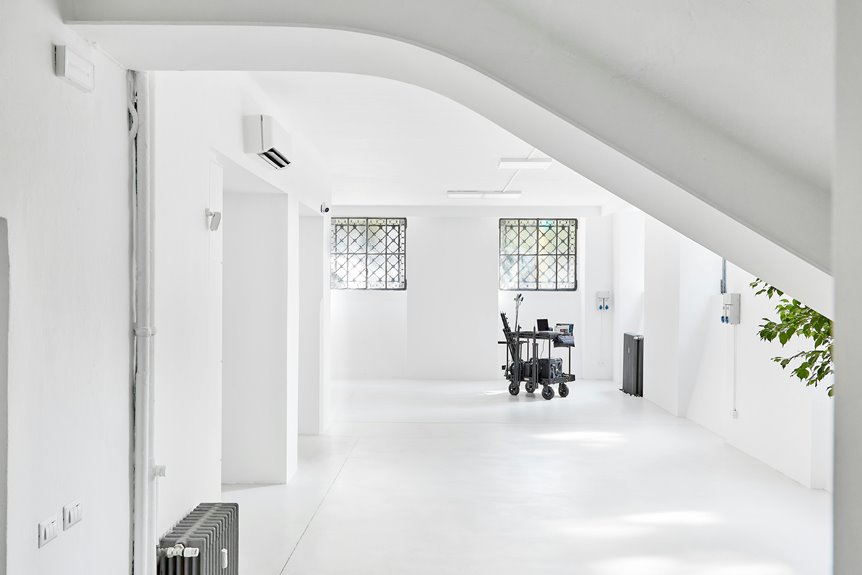
If your home office feels stuffy or you notice lingering odors, it’s time to improve ventilation. Increased fatigue and decreased productivity often stem from poor airflow. You might also find excessive dust and allergens accumulating, signaling poor air quality. Watch for condensation, which points to excess humidity. Finally, if you’re experiencing frequent headaches or inconsistent temperature, your office definitely needs better ventilation. Let’s explore these signs further to enhance your workspace comfort and efficiency.
Key Takeaways
- Persistent stuffiness in the air can lead to fatigue and hinder productivity, indicating a need for better ventilation.
- Lingering odors, such as musty scents or stale food smells, suggest trapped air and poor airflow in your workspace.
- Increased fatigue and decreased productivity may result from stale air lacking sufficient oxygen, signaling the need for improved ventilation.
- Excessive dust accumulation or frequent sneezing and coughing can indicate the presence of allergens due to inadequate air circulation.
- Condensation on windows or walls points to high humidity levels, which can create discomfort and affect work efficiency.
Persistent Stuffiness in the Air
If you’ve noticed a constant heaviness in the air while working from your home office, it’s a sign that your space might need better ventilation.
You might find yourself feeling sluggish or fatigued, making it hard to concentrate on tasks. Stuffy air can lead to decreased productivity and even headaches.
Feeling sluggish and fatigued? Stuffy air can hinder your focus and reduce productivity.
Consider opening windows for fresh air or using a fan to circulate it. If that doesn’t help, you may want to invest in an air purifier.
These devices can filter out pollutants and improve air quality. Remember, a well-ventilated space can enhance your comfort and efficiency, making your work hours more enjoyable.
Don’t ignore those signs; take action to create a healthier, more productive environment for yourself.
Lingering Odors and Unpleasant Smells
Lingering odors and unpleasant smells in your home office can be a significant distraction, impacting your focus and overall well-being.
If you notice musty scents or the smell of stale food, it’s time to assess your space. These odors can arise from poor ventilation, leading to trapped air and moisture. You might find that the air quality affects your mood and concentration.
Consider whether you’ve got open windows, air purifiers, or proper exhaust systems in place. Regularly cleaning your workspace and removing food waste can also help.
Don’t underestimate the power of fresh air; it can create a more inviting and productive environment. Addressing these smells won’t only enhance your workspace but also boost your comfort and efficiency.
Increased Fatigue and Decreased Productivity
When you find yourself feeling unusually fatigued or less productive in your home office, poor ventilation could be the culprit. Stale air can lead to a lack of oxygen, making you feel sluggish and uninspired.
If you’re struggling to concentrate or find your energy plummeting mid-afternoon, it’s time to assess your workspace. Proper airflow not only enhances comfort but also boosts cognitive function, helping you stay sharp and focused.
Consider opening a window or using a fan to encourage fresh air circulation. You might be surprised at how much a little ventilation can recharge your energy levels, making it easier to tackle tasks and meet deadlines.
Don’t let poor air quality drain your motivation and productivity.
Excessive Dust and Allergens
A dusty home office can be more than just an eyesore; it can also compromise your health. If you notice excessive dust and allergens accumulating, it’s time to assess your ventilation.
Here are three signs you should look out for:
- Dust Accumulation: If you find dust settling on your desk and electronics frequently, it indicates poor air circulation.
- Sneezing and Coughing: Regularly experiencing sneezing or coughing while working can signal that allergens are present in the air.
- Dirty Air Filters: If your air filters are clogged or dirty, they’re less effective at trapping dust and allergens, worsening air quality.
Frequent Headaches or Respiratory Issues
Excessive dust and allergens can lead to more serious health concerns, like frequent headaches or respiratory issues.
If you find yourself battling headaches more often or experiencing shortness of breath while working, your home office mightn’t be getting enough fresh air. Poor ventilation traps these irritants, making it hard for you to focus and feel comfortable.
You may also notice increased fatigue or a general sense of malaise. If these symptoms persist, it’s a clear sign that your workspace needs improved airflow.
Opening windows or using air purifiers can make a significant difference. Don’t ignore your body’s signals; addressing ventilation in your home office can help you breathe easier and work more efficiently.
Condensation and Moisture Buildup
If you notice condensation forming on your windows or walls, it’s a clear sign of excessive humidity in your home office.
This moisture buildup can create a breeding ground for mold, which poses health risks.
Addressing these issues promptly can help maintain a healthier work environment.
Excessive Humidity Levels
When your home office feels damp or you spot condensation on windows, it’s a clear sign that humidity levels are too high. Excessive humidity can make your workspace uncomfortable and impact your productivity.
Here are three things to take into account:
- Check for Moisture Sources: Identify any appliances, plants, or leaks that might be contributing to the humidity.
- Monitor Humidity Levels: Use a hygrometer to measure humidity. Ideally, it should be between 30-50%.
- Improve Airflow: Open windows or use fans to increase ventilation, helping to reduce moisture buildup.
Addressing these issues can help create a more pleasant and productive environment in your home office.
Don’t overlook the importance of maintaining proper humidity levels!
Mold Growth Indicators
High humidity levels not only create discomfort but can also lead to mold growth, which poses health risks and can damage your home office.
If you notice condensation on windows or walls, that’s a clear sign of moisture buildup. You might also see dark spots or fuzzy patches on surfaces, indicating mold is starting to take hold. A musty smell often accompanies these indicators, suggesting that mold is thriving in your space.
Don’t ignore any dampness in corners or around furniture, as these areas can easily harbor mold. To protect your health and your home office, consider improving ventilation, using dehumidifiers, and addressing leaks promptly.
Taking action now can save you from costly repairs and health issues later.
Inconsistent Temperature Control
Ever wondered why you’re shivering in one corner of your home office while sweating in another? This inconsistent temperature control might signal that your space needs better ventilation.
When air circulation is poor, certain areas can become stagnant, leading to uncomfortable extremes. Here are a few signs to watch for:
- Drafty Areas: You feel cold drafts near windows or doors, indicating air leaks.
- Hot Spots: Some areas are noticeably warmer, possibly due to blocked vents or inadequate airflow.
- Humidity Fluctuations: High humidity can make your space feel hotter, especially if there’s no proper ventilation to balance it out.
Addressing these issues can create a more comfortable and productive work environment.
Frequently Asked Questions
How Can I Improve Ventilation in My Home Office?
To improve ventilation in your home office, open windows regularly, use fans to circulate air, and consider adding indoor plants. You can also invest in an air purifier to enhance air quality and create a comfortable workspace.
What Are the Benefits of Proper Ventilation?
Proper ventilation boosts your focus and productivity, reduces fatigue, and enhances overall comfort. It helps maintain air quality, preventing the buildup of harmful pollutants, so you can work efficiently and feel energized throughout the day.
When Is the Best Time to Ventilate My Office?
You should ventilate your office during the warmest parts of the day when outdoor air is fresh. Opening windows or using fans then helps improve air quality, ensuring you stay focused and energized throughout your work.
Can Plants Help With Office Air Quality?
Yes, plants can greatly improve your office’s air quality. They absorb carbon dioxide and release oxygen, creating a healthier environment. Adding a few indoor plants can enhance your workspace’s atmosphere and boost your productivity.
How Often Should I Change My Air Filters?
You should change your air filters every 1 to 3 months, depending on usage and filter type. Regular changes help maintain ideal air quality, reduce allergens, and improve overall efficiency in your home office.