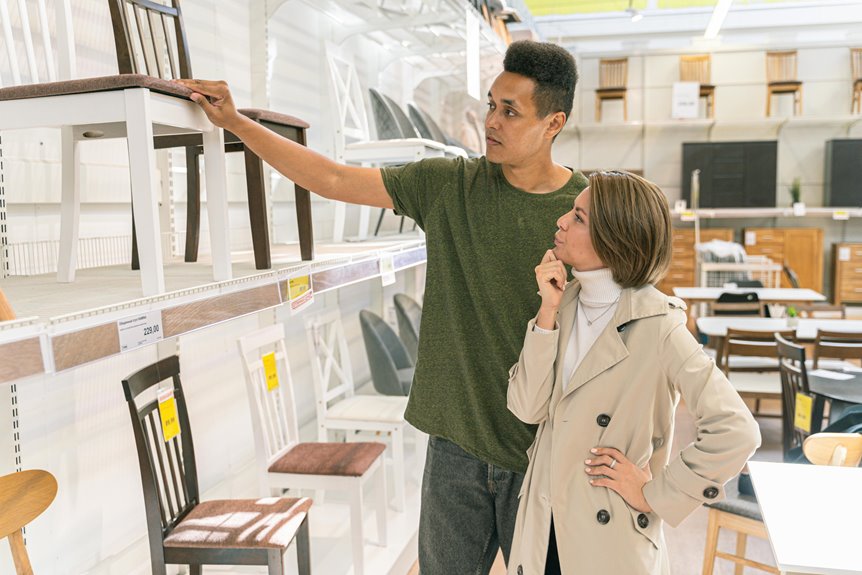
When you’re shopping for second-hand office furniture to set up your home workspace, start by evaluating your needs and the available space. Set a budget and research quality brands to guarantee durability. Explore both local thrift stores and online marketplaces for unique finds. Inspect items thoroughly for condition, negotiating prices when possible. Don’t forget to plan delivery and setup to make the most of your new furniture. There’s plenty more you can discover to streamline your process.
Key Takeaways
- Measure your workspace carefully to ensure all second-hand furniture fits comfortably and promotes an efficient workflow.
- Set a budget that includes all costs, focusing on essential items to avoid overspending.
- Inspect furniture for quality and functionality, checking for wear, comfort, and structural integrity before purchasing.
- Explore both local and online marketplaces, comparing prices and seller ratings for the best deals.
- Plan for delivery and setup by clearing the space, organizing cables, and enlisting help if needed for heavy items.
Assess Your Space and Needs
Before diving into the world of second-hand office furniture, it’s essential to assess your space and needs.
Start by measuring your available area, noting the dimensions and layout. Consider how much room you have for desks, chairs, and storage.
Begin by measuring your space, paying attention to dimensions and layout to determine room for desks, chairs, and storage.
Think about your work habits, too—do you need a large desk for multiple monitors or a cozy nook for focused tasks?
Don’t forget to evaluate your style preferences. Do you want a modern look or something more traditional?
Make a list of must-haves versus nice-to-haves. Prioritizing your requirements will help you make informed choices and avoid impulse buys.
Set a Budget for Your Purchase
Setting a budget for your purchase is essential when shopping for second-hand office furniture. Knowing your limits helps you avoid overspending and keeps you focused on what you truly need. Consider not just the price of the items, but also transportation and potential restoration costs.
| Item Type | Estimated Cost | Emotional Impact |
|---|---|---|
| Desk | $100 – $300 | A productive workspace |
| Chair | $50 – $150 | Comfort during long hours |
| Storage Unit | $75 – $200 | Organized environment |
| Accessories | $20 – $100 | Personal touches |
Research Quality Brands and Materials
As you immerse yourself in the world of second-hand office furniture, researching quality brands and materials can make a significant difference in your purchase.
Focus on well-known brands that have a reputation for durability and comfort. Look for furniture made from solid wood, high-quality metals, or robust fabrics, as these materials typically stand the test of time.
Pay attention to the construction details—dovetail joints, sturdy hinges, and secure upholstery can indicate a well-made piece.
Don’t hesitate to read reviews or ask others about their experiences with specific brands. This knowledge will help you identify high-quality items that not only fit your budget but also meet your needs for a productive home office environment.
Explore Local and Online Marketplaces
When you’re on the hunt for second-hand office furniture, check out local thrift stores and online marketplaces.
These options can offer a wide range of styles and prices, making it easier to find what you need.
Don’t forget to explore social media groups where people often sell or trade furniture in your area.
Local Thrift Stores
While you might think that finding quality second-hand office furniture requires endless searching, local thrift stores can be treasure troves just waiting to be discovered.
These shops often have a rotating selection of desks, chairs, and shelving units at unbeatable prices. By visiting regularly, you can snag unique pieces that fit your home office style.
Don’t hesitate to ask staff about upcoming shipments or new arrivals; they might let you know when to drop by. When you find something you love, act fast—items can go quickly!
Plus, buying local supports your community. So, grab your measuring tape, check the store hours, and make a plan to explore the hidden gems at your nearby thrift stores.
Happy hunting!
Online Marketplaces Overview
Exploring online marketplaces can open up a world of possibilities for finding second-hand office furniture that fits your needs and budget. Websites like Craigslist, Facebook Marketplace, and OfferUp are great places to start your search. They often feature local listings, making it easy to find items nearby.
You can also check out dedicated platforms like eBay and Chairish for unique finds.
When browsing, pay attention to seller ratings and reviews to guarantee a positive experience. Don’t hesitate to ask questions about the furniture’s condition or request additional photos.
Remember to compare prices across different platforms to score the best deal. With a little patience and effort, you’ll discover fantastic options to enhance your home office setup.
Social Media Groups
Social media groups are another excellent avenue for sourcing second-hand office furniture. Platforms like Facebook and Reddit host a variety of local buy/sell/trade groups specifically for furniture.
Joining these groups lets you connect with others in your area, making it easier to find great deals on desks, chairs, and storage solutions.
Be sure to engage with the community by asking questions and sharing your needs. You might discover hidden gems that aren’t listed on larger marketplaces.
Don’t hesitate to negotiate prices, as many sellers are open to offers. Regularly check these groups, as new listings pop up frequently.
Inspect Furniture for Condition and Functionality
When checking out second-hand office furniture, you’ve gotta inspect its condition closely.
Look for any signs of wear and tear, test moving parts, and evaluate the overall structural integrity.
This way, you’ll guarantee your purchase is both functional and durable for your workspace.
Check for Wear and Tear
Inspecting second-hand office furniture for wear and tear is essential to ensuring you make a wise investment. Before you buy, take a close look at each piece.
Signs of damage can indicate how much longer the furniture will last. Pay attention to:
- Scratches and dents that may affect aesthetics
- Worn-out upholstery that could need replacing
- Loose joints or wobbly legs that compromise stability
- Stains or odors that are difficult to remove
Test Moving Parts
Before finalizing your purchase, it’s essential to test the moving parts of any second-hand office furniture.
Check chairs for smooth adjustments in height and tilt; sit in them to feel for any wobbling or discomfort.
For desks, verify drawers open and close easily, without sticking or jamming.
If you’re considering a sit-stand desk, try adjusting it up and down to confirm it operates seamlessly.
Don’t forget to inspect any folding mechanisms, like those on conference tables or portable desks.
If possible, bring a friend along to help you assess each piece’s functionality.
Addressing these aspects now can save you headaches later, guaranteeing your workspace remains comfortable and efficient.
Evaluate Structural Integrity
To guarantee your second-hand office furniture is a worthwhile investment, you need to evaluate its structural integrity. Inspect each piece closely to ascertain it can withstand daily use. Look for signs of wear, damage, or instability that could affect functionality.
Here are some key points to focus on:
- Check joints and connections for looseness or cracks.
- Test drawers and doors to verify they open and close smoothly.
- Examine surfaces for scratches, stains, or water damage.
- Assess overall sturdiness; wobbling or creaking can indicate deeper issues.
Negotiate Prices and Terms
While you might find a great deal on second-hand office furniture, it’s essential to remember that the price isn’t always set in stone. Sellers often expect some negotiation, so don’t hesitate to make an offer.
Research similar items online to establish a fair price range. When you approach the seller, be polite but confident; explain any imperfections you noticed to justify your offer. You can also inquire about discounts if you buy multiple items.
Sometimes, sellers may be willing to lower the price if you can pay in cash. Additionally, consider negotiating terms like warranties or return policies, as this can add value to your purchase.
Plan for Delivery and Setup
Once you’ve secured your second-hand office furniture, planning for delivery and setup becomes essential to guaranteeing a smooth shift into your workspace.
You want to minimize disruption and make the most of your new items. Here are some tips to take into account:
- Measure your space: Confirm everything fits before delivery arrives.
- Schedule delivery: Coordinate with the seller for a convenient time, and be clear about any access restrictions.
- Prepare your workspace: Clear the area for new furniture to streamline the setup process.
- Enlist help: If your furniture is bulky, don’t hesitate to ask friends or hire professionals for assistance.
Taking these steps will help you create an efficient and organized home office in no time!
Frequently Asked Questions
What Should I Look for in Ergonomic Furniture?
When choosing ergonomic furniture, you should prioritize comfort, adjustability, and support. Look for chairs that encourage good posture, desks that fit your height, and accessories that reduce strain on your body during long hours.
How Do I Clean Second-Hand Office Furniture?
To clean second-hand office furniture, start by dusting surfaces with a microfiber cloth. Use a mild detergent solution for stains, and disinfect high-touch areas. Always check for specific care instructions to avoid damage.
Are There Warranties for Used Office Furniture?
Yes, some used office furniture may come with warranties, but it varies by seller. Always ask about warranty options before purchasing, and consider getting a receipt to guarantee you have documentation for any future claims.
Can I Customize Second-Hand Furniture?
Yes, you can customize second-hand furniture! With a little creativity, you can repaint, reupholster, or even modify pieces to fit your style. Just verify the furniture’s structure supports the changes you want to make.
How Do I Dispose of Old Office Furniture Responsibly?
To dispose of old office furniture responsibly, you can donate it to local charities, recycle materials, or sell it online. Check for community disposal events, ensuring you’re following local regulations for hazardous items.