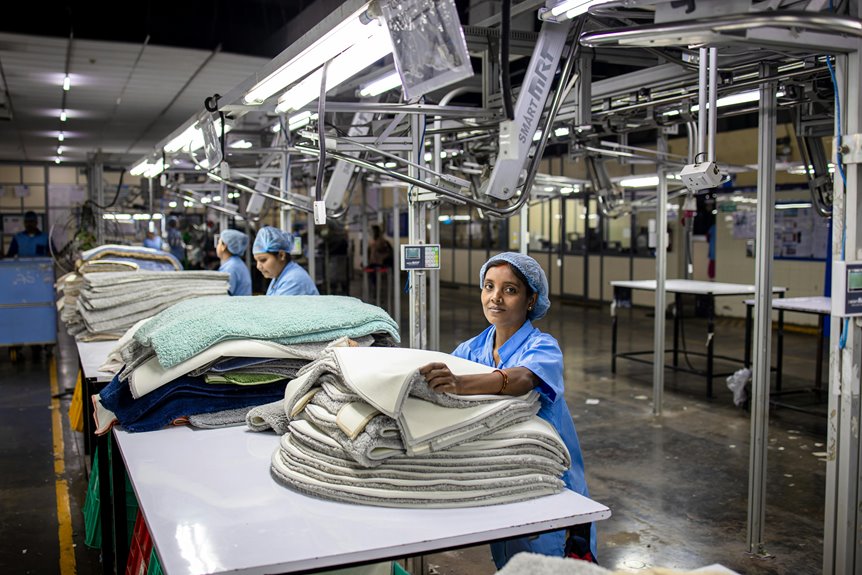
As automation becomes more prevalent, it’s essential to contemplate what dignity in labor truly means. You might find yourself questioning how technology reshapes your work and your sense of purpose. While machines handle repetitive tasks, the need for human skills remains. What does this mean for your role and the value you bring? Understanding these dynamics can reveal a path forward, one that balances technology with the essence of meaningful work.
Key Takeaways
- Emphasizing meaningful engagement in jobs promotes a sense of purpose and dignity in the workforce amidst automation changes.
- Advocating for fair wages ensures that all workers feel valued, regardless of technological advancements.
- Encouraging lifelong learning and adaptability helps individuals maintain relevance and dignity in evolving job markets.
- Prioritizing mental health and work-life balance fosters a supportive environment where employees can thrive alongside technology.
- Redefining job structures to enhance creativity and collaboration ensures that human dignity is preserved in the age of automation.
The Impact of Automation on Employment
As automation continues to advance, it’s reshaping the landscape of employment in ways that can feel both exciting and unsettling.
You might notice how machines now handle tasks once performed by skilled workers, leading to efficiency gains but also job displacement. While some positions vanish, new roles emerge, often requiring different skill sets.
It’s essential for you to adapt and embrace lifelong learning to stay relevant in this evolving job market. Consider how automation can enhance your productivity, allowing you to focus on more complex and creative tasks.
However, you should also be aware of the challenges it poses, particularly for those in low-skill jobs. Balancing these changes will be vital as you navigate your career in an increasingly automated world.
Redefining Work in the Age of Technology
While technology transforms how we work, it’s essential to recognize that this evolution isn’t just about replacing jobs; it’s about redefining what work means.
Technology is reshaping our work landscape, redefining the very essence of what it means to engage in meaningful work.
You’ll find that work today encompasses a broader range of activities and values. Consider these aspects:
- Flexibility: Many jobs now offer remote options, allowing you to work where you’re most productive.
- Collaboration: Technology fosters teamwork across geographical boundaries, making your contributions more impactful.
- Innovation: New tools empower you to explore creative solutions and improve processes.
- Lifelong Learning: You’re encouraged to continually develop skills, adapting to new challenges.
- Work-Life Balance: Prioritizing mental health is becoming a norm, reshaping how you view professional fulfillment.
Embrace this transformation; it’s an opportunity to enhance your personal and professional identity.
The Human Element: Skills That Machines Cannot Replace
In an era dominated by automation, the essence of human skills stands out as irreplaceable. While machines excel at repetitive tasks, they can’t replicate our emotional intelligence, creativity, and critical thinking. These uniquely human abilities foster innovation and drive collaboration, guaranteeing that we remain indispensable in the workforce.
| Human Skills | Why They Matter |
|---|---|
| Emotional Intelligence | Enhances teamwork and communication |
| Creativity | Sparks innovation and problem-solving |
| Critical Thinking | Enables sound decision-making |
Embracing these skills not only sets you apart but also enriches your contributions to any job. As automation increases, honing these human traits will guarantee your relevance in the workplace.
Ethical Considerations in Automation and Labor
The rise of automation brings not just advancements in efficiency but also a host of ethical dilemmas that demand our attention.
As you navigate this rapidly changing landscape, consider the following ethical considerations:
- Job Displacement: How will automation affect employment opportunities in your community?
- Income Inequality: Could a divide grow between those who control technology and those who don’t?
- Worker Rights: Are labor laws keeping pace with the changes in job structures?
- Quality of Work: Does automation compromise the meaningfulness and dignity of labor?
- Responsibility: Who’s accountable for decisions made by machines?
These questions aren’t just theoretical; they’re vital for shaping a future where both technology and labor can coexist harmoniously.
Envisioning a Future Where Human Dignity Prevails in Work
As automation reshapes industries, envisioning a future where human dignity prevails in work becomes essential. You’ll want to focus on creating environments that prioritize meaningful engagement and respect for workers.
Consider how job design can foster creativity, collaboration, and personal growth. Emphasizing lifelong learning and adaptability allows you to thrive alongside technology rather than being replaced by it.
Advocating for fair wages and equitable work conditions guarantees that everyone feels valued. You can also champion policies that support mental health and work-life balance.
Frequently Asked Questions
How Can I Prepare My Career for Automation Changes?
To prepare your career for automation changes, you should focus on developing adaptable skills, embracing continuous learning, and exploring technologies relevant to your field. Networking and seeking mentorship can also help you stay ahead of industry trends.
What Industries Are Most at Risk From Automation?
You’ll find industries like manufacturing, retail, and transportation most at risk from automation. Jobs involving repetitive tasks or predictable processes are particularly vulnerable, so staying adaptable and enhancing your skills is essential for future security.
Will Automation Lead to Lower Wages for Workers?
Automation might lead to lower wages for some workers, especially in sectors where tasks become streamlined. As machines take over repetitive jobs, you might find your bargaining power weakened in the labor market.
How Does Automation Affect Job Security and Mental Health?
Automation can create anxiety about job security, making you feel uncertain about your future. This stress might lead to mental health challenges, as you grapple with the fear of being replaced by machines in the workplace.
Are There Policies to Support Workers Displaced by Automation?
Yes, there are policies like retraining programs, unemployment benefits, and wage subsidies aimed at supporting workers displaced by automation. You can advocate for these initiatives to guarantee workers receive the assistance they need during changes.