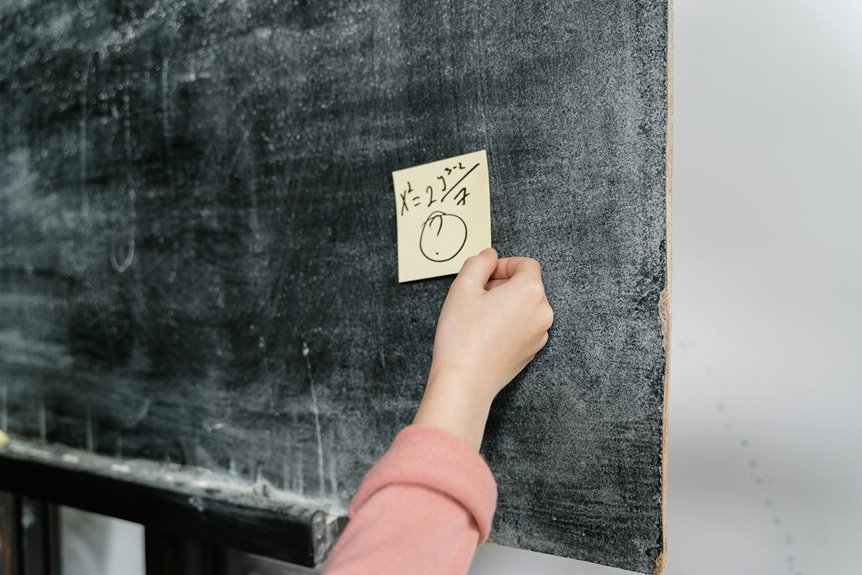
Using bulletin boards in home schooling can really boost your learning environment. They help you organize educational materials and display student achievements, making learning visually engaging. You can categorize subjects, update content regularly, and encourage creative designs. These boards also foster discussions and enhance motivation by showcasing progress and accomplishments. Get ready to explore creative uses and practical tips that'll transform your home schooling experience into an inspiring journey.
Key Takeaways
- Bulletin boards serve as visual aids, organizing information and tracking educational progress effectively in a home schooling environment.
- They motivate students by showcasing achievements, fostering pride and encouraging continued effort in their studies.
- Creative designs can engage learners, utilizing colorful materials and themes that stimulate curiosity and interest in various subjects.
- Interactive elements, like hands-on projects and games, can be displayed on bulletin boards to enhance learning experiences.
- Regular updates and student involvement in the design process promote ownership and a collaborative learning atmosphere.
Benefits of Bulletin Boards in Home Schooling
While you might think of bulletin boards as just decorative elements, they actually offer numerous benefits in a homeschooling environment. First, they serve as a visual aid, helping you and your children organize information, track progress, and display achievements. This organization fosters a sense of accomplishment and motivation.
Additionally, bulletin boards can encourage creativity, allowing your kids to express their ideas through art, projects, and written work. They're also a fantastic way to facilitate discussions; by pinning up questions or themes, you can spark engaging conversations during lessons.
Lastly, bulletin boards help create a dedicated learning space, making your homeschooling environment more structured and inviting. Overall, these boards play a vital role in enhancing the educational experience at home.
Creative Ways to Use Bulletin Boards
Bulletin boards can transform your homeschooling experience in unique ways.
You can enhance visual learning, keep your daily schedule organized, and create engaging thematic displays that spark curiosity.
Let's explore how you can make the most of these versatile tools!
Visual Learning Enhancements
When you incorporate bulletin boards into your homeschooling environment, you're creating a dynamic visual learning tool that can enhance engagement and retention. Use them to display colorful charts, infographics, or key concepts related to your current subjects.
For example, you can create a word wall for vocabulary, making it easier for your child to visualize words and their meanings. Incorporate images or photos that relate to lessons, sparking curiosity and discussion.
You might also encourage your child to contribute by adding their artwork or achievements, fostering a sense of pride and ownership in their learning journey. By regularly updating the bulletin board, you maintain an interactive space that captures attention and reinforces learning in an enjoyable way.
Daily Schedule Organization
A well-organized daily schedule is essential for effective homeschooling, and bulletin boards can be a creative way to keep you and your child on track.
Start by dividing the board into sections for each day, listing subjects or activities in a colorful, engaging format. Use magnets or pushpins to easily move tasks around as needed. You can include visual timers or clock images to help your child understand time management.
Add motivational quotes or stickers to make the schedule more appealing. Encourage your child to personalize the board by decorating it with their artwork or favorite colors. This not only makes it inviting but also fosters ownership of their learning process, enhancing their commitment to the daily routine.
Thematic Learning Displays
Thematic learning displays transform bulletin boards into vibrant learning hubs that enhance your homeschooling experience. By organizing themes, you create a visual focus that captures your child's interest. Choose topics like seasons, space, or history, and use colorful visuals, facts, and interactive elements to engage them.
Here's a simple way to structure your thematic displays:
| Theme | Activities |
|---|---|
| Seasons | Nature walks, art projects |
| Space | Star maps, planet models |
| History | Timeline creation, role plays |
| Ocean Life | Marine biology study, crafts |
With these displays, you'll inspire curiosity and make learning fun. Rotate themes regularly to keep the experience fresh and encouraging for your child's growth.
Organizing Educational Materials
When you organize educational materials on your bulletin board, you create effective visual learning aids that keep your child engaged.
This setup makes it easy for them to access important resources whenever they need them.
Let's explore how to maximize your bulletin board for a more streamlined learning experience.
Visual Learning Aids
Visual learning aids can significantly enhance your homeschooling experience by organizing educational materials in a way that engages your child's attention. Using bulletin boards, you can create visually appealing displays that highlight important concepts and themes. This not only helps in memorization but also fosters creativity.
Here's a simple table to illustrate some effective visual learning aids:
| Aid Type | Purpose |
|---|---|
| Flashcards | Reinforce vocabulary and facts |
| Color-coded Charts | Simplify complex topics |
| Visual Timelines | Show historical events or processes |
Incorporating these aids into your learning environment can transform your child's engagement and understanding, making learning fun and interactive. Don't hesitate to experiment with different styles to see what resonates best!
Easy Material Access
Organizing educational materials is key to maximizing your homeschooling efficiency. When everything has a designated spot, you can easily find what you need without wasting time.
Use bulletin boards to categorize subjects, displaying essential resources like flashcards, charts, and schedules. Color-code these materials to streamline your access; for example, use blue for math and green for science.
Consider adding pockets or clips for worksheets and other loose papers that need quick retrieval. Regularly update the board to reflect what you're currently studying, keeping it relevant and engaging.
With a well-organized system, you'll foster a productive learning environment, making lessons smoother and more enjoyable for both you and your child. Embrace the simplicity of easy material access!
Showcasing Student Achievements
Although students may not attend a traditional school, showcasing their achievements on a bulletin board can foster a sense of pride and motivation. When you display their work, it not only highlights their efforts but also encourages them to strive for excellence.
Here are a few ways to make the most of this opportunity:
- Celebrate Milestones: Post awards, certificates, or completed projects to acknowledge hard work.
- Share Progress: Highlight improvements in skills, like math tests or writing samples, to show growth over time.
- Create a Collaborative Space: Allow students to contribute by sharing their favorite achievements, fostering a sense of community.
Interactive Learning Activities
While engaging in homeschooling, incorporating interactive learning activities can significantly enhance your child's educational experience. These activities foster engagement and enthusiasm, making learning fun and memorable.
You might consider hands-on projects, like science experiments or art crafts, that invite your child to explore and create. Incorporating games, such as educational board games or scavenger hunts, can also encourage teamwork and critical thinking skills.
Utilizing technology, like interactive apps or online quizzes, can make lessons more dynamic and appealing. Additionally, consider using your bulletin board to display materials related to these activities, showcasing your child's progress and sparking their interest in new subjects.
Ultimately, these interactive experiences cultivate a love for learning that lasts a lifetime.
Tips for Designing an Effective Bulletin Board
Designing an effective bulletin board can transform your homeschooling space into a vibrant learning environment. Start by choosing a theme that aligns with your current lessons or interests. This keeps the display engaging and relevant.
Use colorful visuals and clear headings to grab attention and encourage curiosity.
- Incorporate interactive elements like flaps or pockets for hands-on learning experiences.
- Utilize a mix of materials, such as fabric, paper, or even 3D objects, to create visual interest.
- Involve your kids in the design process; their input can spark creativity and ownership over their learning space.
Maintaining and Updating Your Bulletin Board
To keep your bulletin board fresh and engaging, it's essential to regularly maintain and update its content. Set a schedule—weekly or monthly—to review and refresh what's displayed. Remove outdated materials, and add new items that reflect current learning topics or seasonal themes.
Here's a simple table to help you plan your updates:
| Week | Task | Notes |
|---|---|---|
| 1 | Review existing content | Remove outdated items |
| 2 | Add new learning themes | Include student work |
| 3 | Change visuals | Use colorful materials |
| 4 | Engage your kids | Involve them in updates |
| 5 | Reflect on effectiveness | Gather feedback from kids |
Keeping your bulletin board dynamic will inspire creativity and foster a love for learning!
Frequently Asked Questions
What Materials Are Best for Making Bulletin Boards at Home?
For making bulletin boards at home, you'll want sturdy materials like corkboard or foam board. Use colorful paper, fabric, or paint for backgrounds. Don't forget pushpins, adhesive, and decorative items to personalize your board!
How Can Bulletin Boards Enhance Student Engagement?
Bulletin boards capture your attention and spark curiosity. By displaying vibrant visuals and interactive elements, they encourage you to participate actively and think critically, making learning more enjoyable and effective while fostering a sense of community.
Are There Specific Themes for Bulletin Boards by Grade Level?
Yes, you can choose specific themes for bulletin boards based on grade level. For younger students, consider colors and shapes; for older ones, focus on literature, science, or historical events to spark interest and enhance learning.
Can Bulletin Boards Be Used for Subjects Other Than Academics?
Absolutely! You can use bulletin boards for a variety of subjects, like social skills, emotional learning, or even hobbies. They can display art, promote community events, or showcase personal achievements, making learning more engaging and interactive.
How Do I Involve My Child in Designing the Bulletin Board?
To involve your child in designing the bulletin board, ask them what themes or colors they like. Let them choose pictures or materials, and encourage their creativity. This collaboration makes learning more engaging and meaningful for them.