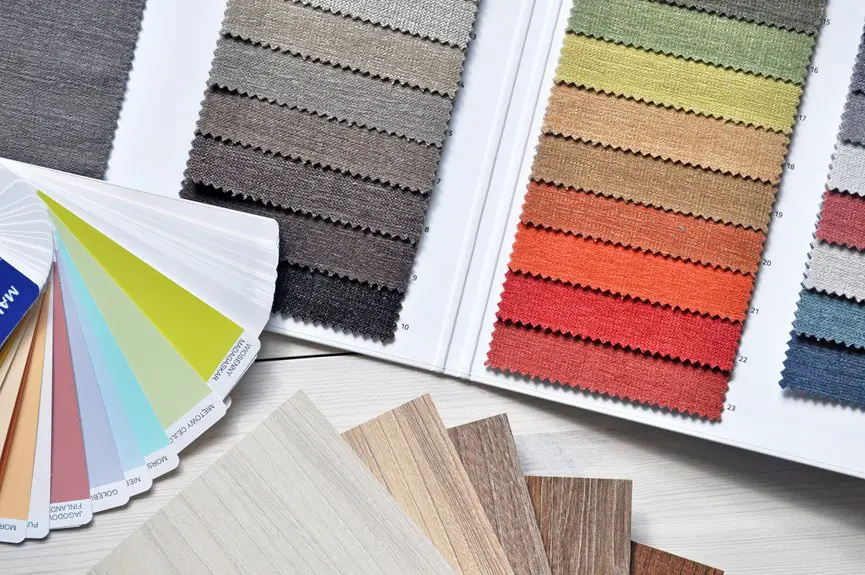
When designing your workspace, the textures and materials you choose play a vital role in shaping the overall atmosphere. A mix of soft fabrics, natural elements, and sleek surfaces can create a balanced environment that fosters productivity and comfort. But how do you find the right combination that aligns with your brand identity? Exploring the nuances of texture and material can reveal impactful strategies for enhancing your office’s aesthetic and functionality.
Key Takeaways
- Texture influences mood; combining soft fabrics with hard surfaces fosters comfort and focus, enhancing workspace aesthetics.
- Diverse materials add visual interest and depth, stimulating creativity and improving productivity in the workspace.
- Natural materials, like wood and stone, create warmth, while modern options convey professionalism and sophistication.
- Layering textures and harmonizing colors create a cohesive and inviting atmosphere that supports employee well-being.
- Sustainable materials, such as bamboo and recycled metal, reflect eco-friendliness and enhance the overall aesthetic of the workspace.
The Importance of Texture in Workspace Design
In any workspace, texture plays an essential role in shaping the environment and influencing your mood. Different materials create varied tactile experiences, making your space feel inviting or sterile. When you touch a soft fabric, it can evoke comfort, whereas a sleek, hard surface might inspire focus and efficiency.
Incorporating diverse textures—like smooth metals, warm woods, or plush textiles—adds depth to your workspace, breaking the monotony and enhancing visual interest. This variety can stimulate creativity and improve productivity.
While designing your workspace, think about how textures interact with each other and with the overall aesthetic. A well-balanced mix can create an atmosphere that supports your work habits and boosts your well-being, making your space not just functional but enjoyable.
Choosing the Right Materials for Your Office
Selecting the right materials for your office can greatly impact both functionality and aesthetics. Start by considering the durability of each material. High-traffic areas need sturdy options, like laminate or hardwood, while softer materials like carpet can enhance comfort in quieter spaces.
You should also think about maintenance; materials like metal or glass are easy to clean, while fabrics may require more upkeep.
Next, consider the overall vibe you want to create. Natural materials, like wood or stone, can offer a warm, inviting atmosphere, while sleek, modern materials can convey professionalism.
Consider the vibe you wish to cultivate; choose natural materials for warmth or modern options for a professional touch.
Ultimately, choose materials that reflect your brand’s identity and values. This thoughtful selection can enhance productivity and create a workspace that inspires creativity and collaboration.
Combining Textures for a Harmonious Look
Mixing textures can elevate your office’s aesthetic while adding depth and interest to the space. Start by pairing soft fabrics, like plush cushions, with sleek surfaces, such as metal or glass. This contrast creates a dynamic atmosphere that feels both inviting and professional.
You can also combine natural elements, like wood, with more modern materials, like acrylic, to strike a balance between warmth and sophistication. Don’t shy away from layering textures; a woven rug under a smooth coffee table can enhance visual appeal.
Remember to keep the overall color palette in mind, ensuring that the textures complement each other. By thoughtfully combining different materials, you’ll create a harmonious workspace that inspires creativity and productivity.
The Role of Color in Material Selection
When choosing materials for your workspace, consider how color influences mood and productivity.
Different hues can create a sense of calm or energy, so it’s crucial to harmonize them with your overall design.
Color Psychology Effects
Color plays an essential role in shaping the atmosphere of a workspace, influencing mood and productivity. Choosing the right colors can evoke specific emotions, making it vital to contemplate how they interact with materials. For instance, warm tones often create a cozy environment, while cool colors can promote calmness and focus.
Here’s a quick overview of color psychology in workspace design:
| Color | Effect |
|---|---|
| Red | Increases energy and urgency |
| Blue | Enhances calmness and focus |
| Yellow | Boosts creativity and optimism |
| Green | Promotes balance and tranquility |
Harmonizing With Space
To create a cohesive workspace, it’s important to contemplate how color interacts with different materials. When you choose colors for your workspace, consider how they complement the textures and finishes of your furniture and decor.
For instance, warm wood tones pair beautifully with earthy hues, while sleek metals look striking against bold, vibrant colors.
Experiment with color palettes that evoke the desired mood and energy in your space. Soft pastels can promote calmness, while bright tones energize and inspire creativity.
Also, think about the lighting in your workspace, as it can alter how colors appear.
Creating Zones With Different Textures
Creating zones with different textures can add visual interest to your workspace by providing contrast that grabs attention.
By defining functional areas through varied materials, you not only enhance the aesthetics but also improve your workflow.
This approach elevates your sensory experience, making your environment more engaging and productive.
Visual Interest Through Contrast
While a workspace may seem like just a functional area, incorporating different textures can transform it into an engaging environment. By introducing contrasting materials, you can create visual interest that draws the eye and sparks creativity.
Think about combining smooth surfaces with rough textures; a sleek desk paired with a woven rug can make a striking statement. Use wood, metal, fabric, or glass in unexpected ways to define zones within your space.
For instance, a soft upholstered chair can stand out against a polished concrete floor, making it inviting. These contrasts not only enhance aesthetics but also communicate different moods and functions.
Embrace the power of texture to elevate your workspace from mundane to inspiring, encouraging productivity and focus.
Defining Functional Areas
Incorporating different textures not only adds visual interest but also helps define functional areas within your workspace. By using materials like soft textiles in relaxation zones and sleek surfaces in work areas, you create clear distinctions between tasks.
For instance, a cozy rug can delineate a brainstorming nook, inviting creativity, while polished wood or metal can signal a more focused, professional environment. Consider using wall textures or dividers to separate spaces, enhancing the sense of purpose.
This intentional design allows you to navigate your workspace intuitively, encouraging productivity and comfort. Remember, each area’s texture should align with its function, making it easier for you to shift between different tasks throughout your day.
Enhancing Sensory Experience
A thoughtfully designed workspace can greatly enhance your sensory experience by using various textures to create distinct zones. By incorporating different materials, you can define areas that foster specific moods and activities.
For instance, a cozy reading nook can feature soft textiles, while a collaborative space might include sleek surfaces that encourage productivity.
- Soft fabrics like cushions and throws can promote relaxation.
- Hard surfaces like wood or metal can stimulate focus and energy.
- Natural elements such as plants or stone can enhance creativity and well-being.
Using these textures strategically creates a dynamic environment that supports your work style, making your workspace not just functional, but also a true reflection of your personality and needs.
Sustainable Materials for Eco-Friendly Workspaces
How can you create a workspace that’s not only stylish but also sustainable? By choosing eco-friendly materials, you can enhance your workspace while minimizing your environmental impact. Opt for reclaimed wood for furniture or bamboo for flooring—both are durable and renewable. You can also use recycled metal or glass for decorative elements.
Here’s a quick guide to sustainable materials:
| Material | Benefits |
|---|---|
| Reclaimed Wood | Unique character, reduces waste |
| Bamboo | Fast-growing, renewable source |
| Recycled Metal | Reduces mining impact, durable |
| Cork | Biodegradable, sound-absorbing |
Incorporating Personal Touches Through Textiles
Textiles can transform your workspace into a personal haven, making it feel more inviting and reflective of your style.
By incorporating various fabrics and patterns, you can create a space that inspires creativity and comfort.
Here are some ways to add personal touches through textiles:
- Throw pillows: Use colorful or patterned pillows on your chair to add a pop of personality.
- Area rugs: Choose a rug that complements your theme, offering warmth and a defined space.
- Curtains or blinds: Opt for window treatments that enhance natural light while showcasing your taste.
Trends in Texture and Material for Modern Offices
As you design your modern office, embracing current trends in texture and material can greatly enhance the overall atmosphere.
Natural materials like wood and stone bring warmth and a touch of the outdoors inside, creating a calming environment. Moreover, incorporating sustainable materials reflects a commitment to eco-friendliness, which resonates with many clients and employees today.
Textiles are also making a comeback, with bold patterns and rich textures adding visual interest. Think about integrating soft furnishings like plush rugs or textured wall panels to create a cozy vibe.
Additionally, mixing metals with organic textures can yield a sophisticated look. By blending these elements, you can craft an office space that feels both modern and inviting, boosting creativity and productivity.
Frequently Asked Questions
How Do Textures Affect Employee Productivity and Mood?
Textures play an essential role in your workspace. They can create a calming or stimulating environment, influencing your mood and productivity. Softer textures might help you relax, while more dynamic ones could spark creativity and focus.
Can I Mix Materials From Different Design Styles?
Absolutely, you can mix materials from different design styles! Combining various textures and finishes creates a dynamic environment. Just be mindful of balance; harmonizing elements can enhance the overall aesthetic and feel of your space.
What Are the Best Textures for Small Office Spaces?
For small office spaces, you’ll want to incorporate light fabrics like linen or cotton for curtains, sleek metals for furniture, and wooden accents. These textures can create an inviting atmosphere while making the space feel larger.
How Often Should I Update Textures and Materials?
You should update textures and materials every few years or whenever your space feels stale. Regular refreshes keep your environment inspiring and aligned with trends, enhancing both your focus and overall workplace satisfaction.
Are There Specific Textures That Reduce Noise in Workspaces?
Yes, certain textures can reduce noise in workspaces. You’ll find that carpets, acoustic panels, and textured wall coverings absorb sound effectively, creating a quieter environment. Incorporating these materials makes a noticeable difference in your workspace’s acoustics.