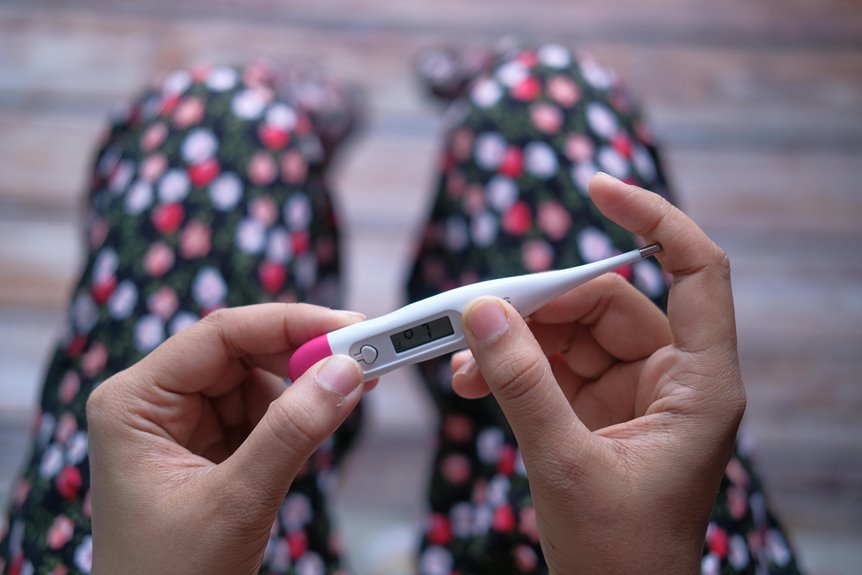
Thermal comfort is that sense of satisfaction you feel with your surrounding environment, balancing temperature, humidity, airflow, and personal preferences. It’s influenced by factors like your clothing, activity level, and even cultural background. Measuring it involves a mix of subjective assessments, where you share your comfort level, and objective data from temperature and humidity sensors. Understanding these elements can help create a more comfortable space for you. Stick around to learn how to enhance your thermal comfort even more.
Key Takeaways
- Thermal comfort is the balance between temperature, humidity, airflow, clothing, and personal preferences affecting well-being and productivity.
- Ideal indoor temperatures for comfort typically range from 68°F to 75°F, with humidity levels between 30% and 60%.
- Measurement methods include surveys, temperature sensors, and the PMV/PPD model to assess comfort based on environmental factors.
- Psychological well-being is influenced by temperature; warm settings promote relaxation, while cool environments enhance focus and task performance.
- Cultural background affects perceptions of thermal comfort, influencing individual preferences for temperature and humidity levels.
Understanding Thermal Comfort
When you think about your comfort in a space, thermal comfort plays an essential role in how you feel.
It’s all about the balance between heat and humidity, and how these factors influence your overall well-being. You might notice that a room feels too hot or too cold, impacting your mood and productivity.
Understanding thermal comfort means recognizing how your body interacts with the environment. Factors like clothing, activity level, and personal preferences all come into play.
You want to feel neither too warm nor too chilly, so finding that sweet spot is key. By grasping the concept of thermal comfort, you can create spaces that foster relaxation and efficiency, making your environment feel more inviting and enjoyable.
Key Factors Influencing Thermal Comfort
Several key factors influence your thermal comfort, affecting how you perceive temperature in a given space.
First, humidity plays a significant role; high humidity can make you feel warmer than the actual temperature.
Humidity significantly influences your comfort, often making you feel warmer than the actual temperature.
Next, air movement is essential; a gentle breeze can enhance comfort by aiding in heat dissipation.
Your clothing also impacts how you feel; heavier fabrics can trap heat, while lighter materials allow for better airflow.
Additionally, metabolic rate matters; if you’re active, you’ll feel warmer than if you’re at rest.
Finally, personal preferences and individual differences shape your comfort level, as everyone has their ideal temperature range.
The Role of Temperature in Thermal Comfort
When it comes to thermal comfort, temperature plays an essential role in how you feel in a space.
You’ll notice that an ideal temperature range can greatly enhance your comfort level, while deviations can lead to discomfort.
Understanding temperature’s impact helps you create an environment that feels just right.
Ideal Temperature Range
Temperature plays an essential role in determining your thermal comfort, as it directly influences how you perceive your environment.
Finding the ideal temperature range can make all the difference in how comfortable you feel. Generally, your comfort zone lies between:
- 68°F to 72°F (20°C to 22°C) – This is often considered the sweet spot for many.
- 72°F to 75°F (22°C to 24°C) – Some may prefer a slightly warmer environment.
- 65°F to 68°F (18°C to 20°C) – Cooler temperatures can be invigorating, especially during summer.
- 75°F and above (24°C and above) – Higher temperatures may lead to discomfort for many individuals.
Understanding these ranges helps you create an environment that enhances your well-being and productivity.
Temperature’s Impact on Comfort
Although you might not realize it, the temperature of your surroundings greatly affects your overall comfort level. When temperatures fluctuate outside your ideal range, you may feel uncomfortable, distracted, or even unproductive. Understanding how temperature influences your comfort can help you create a better living or working environment.
Here’s a quick look at how different temperature ranges can impact your comfort:
| Temperature Range | Comfort Level |
|---|---|
| Below 60°F | Uncomfortable |
| 60°F – 68°F | Slightly Uncomfortable |
| 68°F – 75°F | Comfortable |
| Above 75°F | Uncomfortable |
Humidity and Its Impact on Comfort Levels
Humidity plays an essential role in how comfortable you feel in your environment.
High humidity can make you feel sticky and increase the perceived temperature, while low humidity can lead to dry skin and respiratory issues.
Understanding these effects helps you find the right balance for ideal comfort.
Effects of High Humidity
When you’re exposed to high humidity, it can greatly impact your comfort levels, making even moderate temperatures feel stifling.
High humidity affects your body’s ability to cool down through sweat, leading to discomfort. Here are some effects you might experience:
- Increased perspiration: Your sweat doesn’t evaporate effectively, leaving you feeling sticky and clammy.
- Breathing difficulties: The dense, moist air can feel suffocating, making it harder to take deep breaths.
- Fatigue: Your body works harder to cool itself, which can leave you feeling exhausted.
- Elevated anxiety: The uncomfortable environment may heighten stress, creating a sense of unease.
Understanding these effects can help you prepare for and manage high humidity situations better.
Low Humidity Challenges
While high humidity can be stifling, low humidity presents its own set of challenges that can impact your comfort levels.
In drier environments, your skin loses moisture quickly, leading to dryness and irritation. You might notice symptoms like chapped lips, dry eyes, or itchy skin.
Additionally, low humidity can make the air feel cooler than it actually is, causing you to feel chilly even when temperatures are moderate. This can lead to increased heating costs as you crank up the thermostat.
Furthermore, static electricity becomes a nuisance, zapping you when you touch metal objects.
To combat these issues, consider using a humidifier to maintain an ideal humidity level, promoting both comfort and overall well-being in your space.
Airflow and Thermal Comfort: A Critical Relationship
Airflow plays an essential role in achieving thermal comfort, as it helps regulate temperature and enhance the sensation of coolness on your skin.
When you experience ideal airflow, you’re likely to notice several benefits:
- Evaporation: Increased airflow aids in moisture evaporation from your skin, making you feel cooler.
- Heat Distribution: It helps distribute heat evenly in your environment, preventing hot spots.
- Odor Control: Proper airflow reduces stagnant air, minimizing odors and allergens.
- Humidity Regulation: Adequate airflow balances humidity levels, ensuring a comfortable atmosphere.
The Importance of Clothing in Thermal Comfort
Clothing greatly influences your thermal comfort, as it acts as a barrier between your body and the surrounding environment. The right fabric, thickness, and fit can either trap heat or allow it to escape, affecting how warm or cool you feel. For instance, natural fibers like cotton are breathable, while synthetic materials can retain heat. Here’s a quick comparison to help you choose wisely:
| Fabric Type | Thermal Properties | Best Use |
|---|---|---|
| Cotton | Breathable, moisture-wicking | Warm weather |
| Wool | Insulating, moisture-absorbing | Cold weather |
| Polyester | Quick-drying, heat-retaining | Varying climates |
| Nylon | Lightweight, wind-resistant | Outdoor activities |
Choosing the right clothing helps you maintain ideal thermal comfort in different conditions.
Psychological Aspects of Thermal Comfort
Your personal preferences play a significant role in how you experience thermal comfort, often influenced by cultural backgrounds and individual experiences.
The way you perceive temperature can greatly affect your psychological well-being, highlighting the connection between environment and mindset.
Understanding these psychological aspects is key to creating a comfortable atmosphere that caters to everyone.
Personal Preferences Impact Comfort
Many individuals find that their personal preferences greatly shape their perception of thermal comfort. You might notice how factors like your clothing, activity level, and even mood can influence what feels comfortable to you.
Here are some key aspects that can impact your comfort:
- Clothing Choices: The fabrics and layers you wear can make a significant difference.
- Activity Level: Being active versus sedentary affects your body temperature and comfort.
- Humidity Preference: Some prefer dry air, while others enjoy a bit of humidity.
- Familiarity: Environments you’re accustomed to often feel more comfortable, regardless of the temperature.
Understanding these preferences can help you create spaces that enhance your thermal comfort effectively.
Cultural Influences on Perception
While personal preferences play an essential role in thermal comfort, cultural influences greatly shape how you perceive temperature and humidity. Your background, traditions, and societal norms can dictate what feels comfortable or uncomfortable.
For instance, in some cultures, warmer indoor temperatures are common, while others may prefer cooler environments. This can be influenced by historical living conditions, clothing styles, and even social gatherings.
Additionally, your cultural upbringing might affect how you respond to humidity, with some groups tolerating high humidity better than others. These factors intertwine with personal experiences, creating a unique thermal comfort perception that varies widely among individuals.
Understanding these cultural nuances can enhance how spaces are designed to cater to diverse populations.
Psychological Well-being and Temperature
When considering thermal comfort, the interplay between temperature and psychological well-being becomes essential. Your mood and mental state can shift dramatically based on your environment’s temperature.
For instance, you might experience:
- Increased Happiness: A warm, cozy setting can elevate your spirits.
- Enhanced Focus: A cool environment helps you concentrate better on tasks.
- Heightened Relaxation: Gentle warmth can soothe anxiety and promote calm.
- Improved Sleep Quality: Ideal temperatures in your bedroom lead to deeper, more restorative rest.
Understanding these connections allows you to create spaces that foster not only physical comfort but also mental well-being.
Methods for Measuring Thermal Comfort
To effectively assess thermal comfort, you can utilize a variety of measurement methods tailored to different environments and needs. Common approaches include subjective assessments, where you report your comfort level, and objective measurements that track environmental conditions.
Here’s a quick overview of popular methods:
| Method | Description |
|---|---|
| Surveys | Gather subjective feedback from users. |
| Temperature Sensors | Measure air and surface temperatures. |
| PMV/PPD Model | Predicts comfort based on multiple factors. |
Using these tools, you can gain insights into how well your space meets thermal comfort standards. Understanding and applying these methods helps guarantee a pleasant and productive environment for everyone.
Standards and Guidelines for Thermal Comfort
Understanding the standards and guidelines for thermal comfort is essential if you want to create an environment that meets occupants’ needs.
These standards help guarantee everyone feels comfortable, promoting productivity and well-being.
Here are four key guidelines to take into account:
- Temperature Range: Maintain indoor temperatures between 68°F and 75°F for ideal comfort.
- Humidity Levels: Keep relative humidity between 30% and 60% to prevent discomfort and health issues.
- Airflow: Ensure adequate airflow with ceiling fans or HVAC systems to enhance air circulation.
- Personal Control: Allow occupants to adjust their immediate environment, such as temperature and airflow, to suit their preferences.
Improving Thermal Comfort in Different Environments
Creating a comfortable thermal environment isn’t just about temperature; it also involves considering the specific needs of different spaces.
In residential areas, you might want to focus on insulation and draft control to enhance comfort. For offices, proper ventilation and adjustable thermostats can make a significant difference, allowing you to cater to individual preferences.
Public spaces like shopping malls benefit from strategic zoning and effective airflow management, ensuring everyone feels comfortable. In outdoor environments, using shade structures or misting systems can help regulate heat.
Frequently Asked Questions
How Does Thermal Comfort Affect Productivity in Workspaces?
Thermal comfort directly impacts your productivity in workspaces. When you’re comfortable, you’re more focused and engaged. If temperatures fluctuate too much, it distracts you, leading to decreased efficiency and creativity throughout your workday.
Can Thermal Comfort Vary Between Different Cultures?
Absolutely, thermal comfort can vary between cultures. You might find that personal preferences, climate, and local practices influence what feels comfortable, affecting how you and others experience temperature in different environments around the world.
What Technologies Are Emerging to Enhance Thermal Comfort?
Imagine a cozy blanket wrapping around you; emerging technologies like smart thermostats, adaptive HVAC systems, and wearable climate control devices are creating personalized comfort, ensuring you feel just right, no matter the environment or season.
How Does Thermal Comfort Influence Energy Consumption in Buildings?
Thermal comfort greatly influences your building’s energy consumption. When occupants feel comfortable, they’re less likely to adjust heating or cooling systems. This balance helps reduce energy use, ultimately lowering costs and promoting sustainability in your environment.
Are There Specific Age Groups More Sensitive to Thermal Comfort?
You know how your grandparents always seem to feel the chill more? Older adults and young children are indeed more sensitive to thermal comfort, often requiring more careful consideration in temperature settings for their well-being.