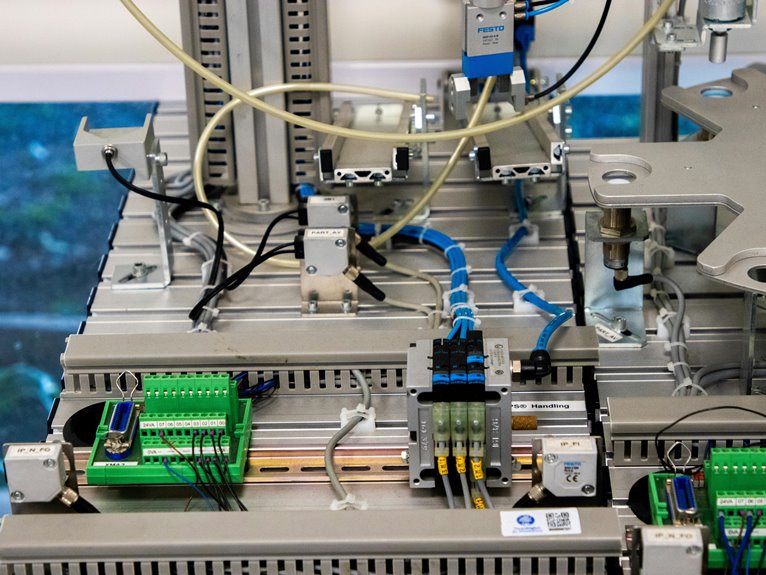
Mixing power and data cables is a bad idea because it can cause electrical interference and lead to data corruption. Overheating risks increase, creating fire hazards and potential equipment damage. You’ll also face performance glitches and unreliable systems due to signal disruptions. Keeping these cables separate is essential for safety and ideal functionality. If you want to know more about the common risks and best practices for managing cables, there’s plenty more to explore.
Key Takeaways
- Mixing power and data cables can cause electrical interference, disrupting data transmission and leading to data corruption.
- Overheating from power cables can create fire hazards and may damage connected devices.
- Intertwined cables increase the risk of electrical shock and create unexpected pathways for electricity.
- Electromagnetic interference from power cables compromises data integrity, resulting in unreliable systems and performance glitches.
- Compliance with standards mandates separating power and data lines to ensure safety and optimal performance.
Understanding Power and Data Cables
When you look at power and data cables, it’s essential to understand their distinct functions and how they interact.
Power cables deliver electricity to devices, ensuring they run smoothly. These cables typically have thicker wires and are designed to handle high voltages.
In contrast, data cables transmit information between devices, like computers and routers. They’re usually thinner and optimized for speed and accuracy, rather than high voltage.
Mixing these cables can lead to interference, signal loss, or even damage to your equipment. Understanding these differences helps you make informed decisions about installation and organization, ensuring your devices operate effectively without risking performance or safety.
Always keep their unique purposes in mind when setting up your workspace or home.
The Importance of Keeping Cables Separate
To guarantee peak performance and safety in your setup, it’s crucial to keep power and data cables separate.
Mixing these cables can lead to interference, which can disrupt the flow of data and create performance issues.
When power cables run alongside data cables, electromagnetic fields can generate noise, making your devices less reliable.
Common Risks of Mixing Cables
Mixing power and data cables can expose you to several risks that compromise both performance and safety. First, you could face electrical interference, which can disrupt data transmission. Second, potential overheating issues may arise, leading to cable damage or even fire hazards. Third, you risk voiding warranties on your devices if they’re used improperly.
| Risk Category | Description | Consequences |
|---|---|---|
| Electrical Interference | Disruption in data flow | Data corruption |
| Overheating | Excessive heat from power cables | Fire hazards |
| Warranty Void | Using cables improperly | Loss of device protection |
Impact on Device Performance
While you might think that mixing power and data cables won’t markedly affect device performance, the reality is quite different. When you run these cables together, the electromagnetic interference from the power cables can disrupt the data signals.
This can lead to slower data transfer rates, increased latency, and even data loss. You may notice your devices lagging or experiencing unexpected behavior, which can be frustrating. Additionally, such interference can make your devices work harder to maintain performance, ultimately shortening their lifespan.
Safety Hazards Associated With Mixing Cables
Mixing power and data cables can create serious safety hazards you need to be aware of.
There’s a heightened risk of electrical shock, which can lead to injury or worse.
Additionally, improper mixing can increase the potential for fire hazards, putting both your equipment and safety at risk.
Electrical Shock Risks
When power and data cables are intertwined, you risk serious electrical shock hazards. Mixing these cables can create unexpected pathways for electricity, increasing the likelihood of accidental contact.
If you touch a frayed or damaged cable, especially in a damp environment, you could experience a severe shock. Data cables aren’t designed to handle electrical currents, and their insulation may not provide sufficient protection. This can lead to dangerous situations, putting you and others at risk.
Additionally, if a power surge occurs, the data cables may become conduits for electricity, amplifying the danger. Keeping power and data cables separate guarantees your safety and reduces the risk of shocks, allowing you to work confidently without worrying about electrical hazards.
Fire Hazard Potential
Intertwining power and data cables not only increases the risk of electrical shocks but also poses significant fire hazards.
When you mix these cables, the heat generated by power lines can affect the data cables, potentially causing damage. If the insulation on any cable degrades, it can lead to short circuits or sparks, igniting nearby materials. The risk amplifies in poorly ventilated spaces where heat can’t dissipate effectively.
Furthermore, if a fire does break out, the mixed cables can complicate firefighting efforts, making it harder for responders to identify and isolate the source.
To keep your environment safe, it’s essential to maintain a clear separation between power and data cables, ensuring each type functions properly without posing additional risks.
Signal Interference and Data Loss
When you mix power and data cables, you risk electromagnetic interference that can disrupt your signals.
This interference can lead to data integrity issues, causing errors or loss in important information.
It’s vital to understand how to minimize these risks to guarantee your system runs smoothly.
Electromagnetic Interference Risks
Although mixing power and data cables is often convenient, it can greatly increase the risk of electromagnetic interference (EMI). When you run these cables together, the electrical fields from the power lines can disrupt the signals traveling through the data cables. This interference can lead to poor performance and even data loss.
Here’s a simple comparison of potential risks:
| Cable Type | Risk Level | Impact on Performance |
|---|---|---|
| Power Only | Low | Minimal |
| Data Only | Low | Stable |
| Mixed Power & Data | High | Significant degradation |
To guarantee reliable data transmission, it’s best to keep these cables separate whenever possible. Trust me, your devices will thank you for it!
Data Integrity Issues
Mixing power and data cables can seriously compromise data integrity, leading to signal interference and potential data loss.
When you run these cables together, electromagnetic interference from the power lines can disrupt the data signals. This interference can cause corrupted data, making your systems unreliable. You might notice glitches, slow performance, or even complete data loss, which can be frustrating and costly.
Additionally, the longer the cables run parallel to each other, the greater the risk of interference. To keep your data safe and maintain ideal performance, it’s essential to separate power and data cables.
Best Practices for Cable Management
Effective cable management is essential for maintaining an organized workspace, especially when handling both power and data cables. Start by labeling each cable clearly to avoid confusion.
Effective cable management begins with clearly labeling each cable to prevent confusion in your workspace.
Use cable ties or Velcro straps to bundle cables together, ensuring they’re neat and secure. Keep power and data cables separate to minimize interference, and run them along different paths when possible.
Invest in cable trays or raceways to conceal and protect cables from damage. Regularly check for wear and tear; replace any damaged cables immediately.
Finally, maintain a routine for organizing cables, making it easier to troubleshoot and manage your workspace efficiently. Following these best practices will enhance safety and improve overall functionality in your setup.
Industry Standards and Regulations
When organizing your workspace, it’s important to stay informed about industry standards and regulations governing power and data cable usage. Guidelines from organizations like the International Electrotechnical Commission (IEC) and the Institute of Electrical and Electronics Engineers (IEEE) are essential.
These standards help guarantee safety, performance, and compatibility in your installations. For instance, the National Electrical Code (NEC) outlines specific requirements for separating power and data lines to minimize interference and hazards.
Ignoring these regulations can lead to potential electrical fires or equipment failures. By adhering to these established protocols, you not only protect your equipment but also enhance the reliability of your data transmission.
Keep your workspace compliant, and you’ll avoid unnecessary complications down the line.
Troubleshooting Mixed Cable Issues
How can you quickly identify and resolve issues caused by mixed power and data cables? First, check for visible signs of damage, such as frayed insulation or bent connectors.
If you notice erratic behavior in your devices, like sudden shutdowns or data loss, it’s time to investigate further. Disconnect the cables and separate them by type, ensuring they’re not tangled.
Use a multimeter to test power cables for voltage and continuity. For data cables, verify connections and inspect for interference from nearby power lines.
Label your cables to prevent future mix-ups. If problems persist, consider replacing the affected cables, as ongoing issues can lead to equipment damage.
Always follow best practices to avoid these headaches in the future.
Future Trends in Cable Technology
As technology evolves, you’re likely to see significant advancements in cable technology that enhance both performance and efficiency.
Staying informed about these trends can help you make better decisions when selecting cables for your devices.
Here are three key trends to watch:
- Higher Data Transfer Rates: Expect cables that support faster speeds, accommodating the growing demand for high-bandwidth applications like 8K video and virtual reality.
- Improved Durability: Look for cables made with advanced materials that resist wear and tear, making them last longer in various environments.
- Smart Cables: Innovations will lead to cables with built-in intelligence, allowing for automatic adjustments in power delivery and data management based on device needs.
Embracing these developments can keep your tech setup cutting-edge.
Frequently Asked Questions
Can I Use Longer Cables for Data Without Affecting Performance?
Yes, you can use longer cables for data, but it may affect performance. As cable length increases, signal degradation can occur. Choose high-quality cables and stay within recommended lengths to maintain ideal data transmission quality.
What Types of Devices Are Most Affected by Mixed Cables?
Devices like computers, routers, and audio/video equipment are most affected by mixed cables. You might experience interference, data loss, or reduced performance, so keeping power and data cables separate is essential for peak functionality.
How Do I Identify Power and Data Cables Easily?
Identifying power and data cables is as easy as spotting a unicorn! Look for color coding, labeling, and the thickness of the cables. Power cables are usually thicker, while data cables are generally thinner and more flexible.
Are There Any Exceptions to Mixing Power and Data Cables?
There are few exceptions, like using specialized cables designed for both data and power, such as Power over Ethernet (PoE) cables. However, always guarantee the equipment’s compatibility and follow manufacturer guidelines to avoid potential issues.
What Tools Can Help Organize Mixed Cables Effectively?
You might think organizing mixed cables is impossible, but using cable ties, clips, and sleeves can simplify the process. Labeling each cable helps you find what you need quickly, keeping your space neat and efficient.