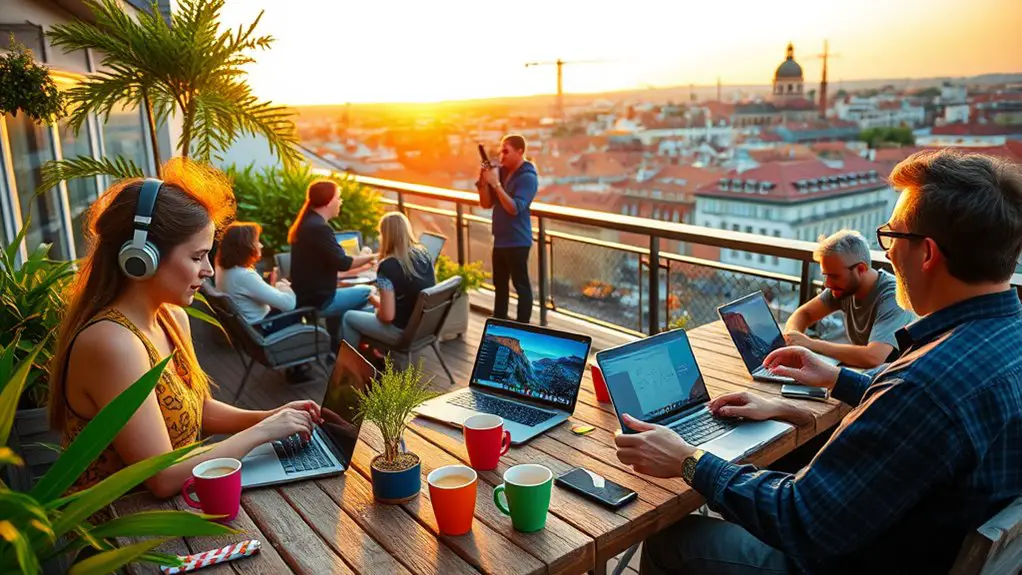
Germany’s become a hotspot for digital nomads like you, offering remote work opportunities amidst vibrant cities. With excellent infrastructure, a focus on work-life balance, and diverse coworking spaces, you’ll find an inspiring environment to thrive. Cities like Berlin, Munich, and Hamburg cater to creative souls and tech enthusiasts alike. You can easily connect with like-minded professionals through events and local meetups. Explore how you can truly embrace this nomadic lifestyle and everything Germany has to offer.
Key Takeaways
- Germany’s vibrant cities like Berlin and Munich offer diverse environments, excellent infrastructure, and strong work-life balance for digital nomads.
- Coworking spaces in Germany foster collaboration, creativity, and networking, essential for building a sense of community among nomads.
- Understanding the cost of living, including housing and transportation, is crucial for effective budgeting as a digital nomad in Germany.
- Various visa options, such as the Freelance Visa and EU Blue Card, provide opportunities for long-term stays for digital nomads.
- Engaging in local culture, activities, and networking events enhances the overall experience and personal growth while living in Germany.
The Rise of Digital Nomadism in Germany

As more people embrace remote work, Germany has become an appealing destination for digital nomads. The country’s vibrant cities, rich culture, and excellent infrastructure draw you in.
You’ll find coworking spaces equipped with high-speed internet, making it easy to stay productive. Plus, the strong emphasis on work-life balance resonates with your lifestyle.
With a diverse community of fellow nomads, you’ll have opportunities to network and collaborate. Germany’s central location in Europe allows for weekend getaways, enhancing your travel experience.
Germany’s diverse nomad community offers endless networking opportunities, while its central location invites exciting weekend adventures.
You can enjoy local cuisine, attend events, and immerse yourself in the art scene. As you navigate this remote work culture, you’ll discover that Germany offers not just a place to work but also a vibrant environment to thrive in.
Top Cities for Digital Nomads
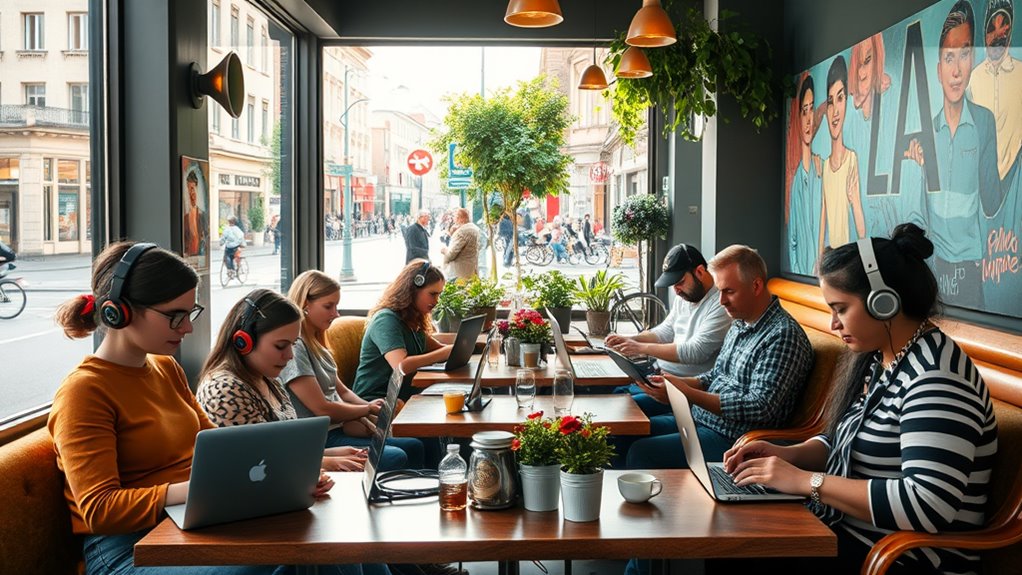
When you’re exploring Germany as a digital nomad, you’ll find that each city offers something unique.
Berlin boasts a vibrant scene packed with culture and community, while Munich stands out as a tech hub with plenty of opportunities.
Then there’s Hamburg, where creative spaces inspire innovation and collaboration.
Berlin’s Vibrant Scene
Although you might think of Berlin as just a cultural hub, it’s also a top contender for digital nomads seeking an ideal work-life balance.
The city’s thriving creative scene, filled with artists, musicians, and innovators, fuels inspiration and collaboration. You’ll find co-working spaces dotted throughout neighborhoods like Kreuzberg and Mitte, offering a perfect blend of productivity and community.
Plus, Berlin’s affordable cost of living compared to other major cities allows you to enjoy life without breaking the bank.
Don’t forget the vibrant nightlife and countless cafes where you can work or unwind.
With its rich history and diverse culture, Berlin truly offers everything you need to thrive as a digital nomad while enjoying your personal passions.
Munich’s Tech Hub
Munich stands out as a tech hub that perfectly caters to digital nomads looking for innovation and opportunity. The city’s vibrant startup scene, coupled with its strong presence of tech giants, creates an ideal environment for remote work. You’ll find numerous co-working spaces, networking events, and a supportive community enthusiastic to collaborate. Check out the table below for a quick overview of what Munich offers:
| Feature | Description |
|---|---|
| Co-Working Spaces | Over 50 options available |
| Networking Events | Monthly meetups and workshops |
| Tech Companies | Home to giants like Siemens |
| Transport | Efficient public transit system |
| Culture | Rich in art, beer gardens, and history |
In Munich, you’ll thrive in a dynamic atmosphere that sparks creativity and connection.
Hamburg’s Creative Spaces
Hamburg offers an inspiring blend of creative spaces that cater to digital nomads seeking both productivity and innovation.
You’ll find a variety of environments that spark creativity and foster collaboration. Here are some top spots you shouldn’t miss:
- Betahaus: A vibrant coworking space with networking events and workshops.
- The Creative Society: A community-driven hub perfect for freelancers and entrepreneurs.
- Altonaer Kreativhaus: An artistic space that encourages collaboration among creatives.
- Hamburg Innovation Port: Ideal for startups, it provides resources and mentorship.
- Ueberquell: A unique co-working and brewery combo, perfect for unwinding after a productive day.
In Hamburg, you can truly thrive in a supportive and dynamic atmosphere.
Coworking Spaces: A Hub for Collaboration
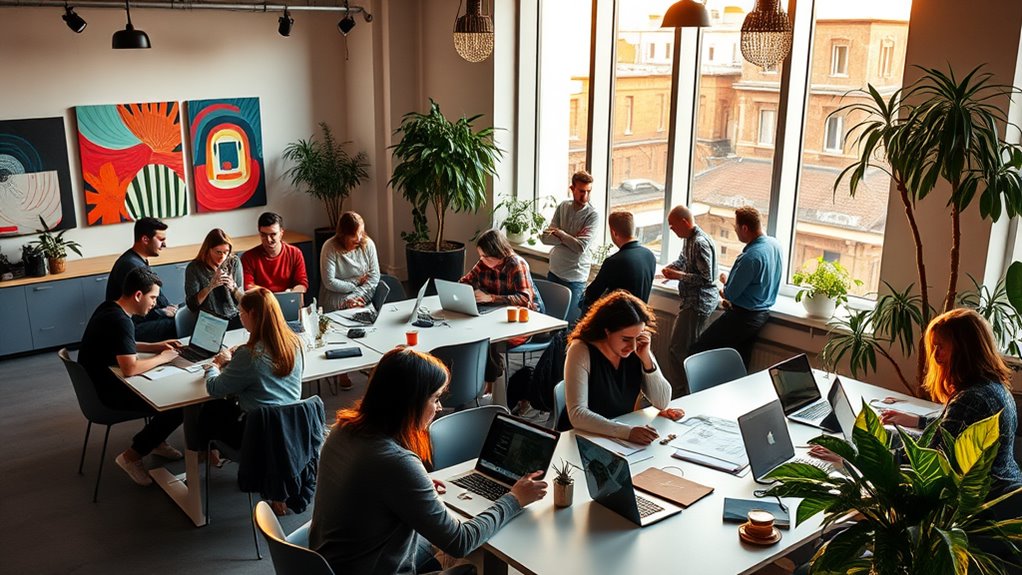
As you explore the vibrant world of coworking spaces in Germany, you’ll quickly discover these hubs serve as essential centers for collaboration among digital nomads. Here, you can connect with like-minded professionals, share ideas, and engage in meaningful discussions.
The atmosphere is buzzing with creativity, providing the perfect backdrop for innovation. These spaces often host workshops, networking events, and social gatherings, allowing you to expand your professional circle and gain valuable insights.
Whether you’re working on a project, seeking feedback, or simply looking to unwind with fellow nomads, coworking spaces foster a sense of community. By surrounding yourself with diverse talents and perspectives, you’ll find inspiration and motivation to enhance your remote work experience.
The Cost of Living: What to Expect
When you’re planning to live in Germany as a digital nomad, understanding the cost of living is essential.
You’ll want to look at housing expenses, transportation costs, and daily living expenses to budget effectively.
Knowing what to expect can help you make informed decisions and enjoy your experience to the fullest.
Housing Expenses Overview
Finding suitable housing in Germany can be a challenge, especially for digital nomads. The costs vary greatly based on location, size, and amenities.
Here’s what you can expect regarding housing expenses:
- City vs. Rural: Urban areas like Berlin and Munich tend to be pricier.
- Apartment Size: A one-bedroom can range from €600 to over €1,500.
- Utilities: Don’t forget to budget for additional costs like electricity and internet, which can add €200-€300 monthly.
- Furnished vs. Unfurnished: Furnished places often come at a premium, but save you time and effort.
- Deposit: Be prepared to pay a security deposit, typically one to three months’ rent.
Understanding these factors will help you budget wisely and find the right space for your remote work lifestyle.
Transportation Costs Explained
Maneuvering Germany’s transportation system is essential for digital nomads, and understanding the costs involved can help you plan your budget effectively.
Public transport, like trains and buses, is efficient and generally affordable. A monthly pass for local transport can range from €70 to €100, depending on the city.
If you’re traveling longer distances, consider the Deutsche Bahn for intercity trains, where tickets can vary from €20 to €100, depending on how early you book.
Biking is also popular, with rentals costing around €10 per day. Don’t forget about ride-sharing services, which can be convenient but may add up quickly.
Planning your trips wisely can save you money while exploring Germany’s vibrant cities.
Daily Living Expenses
Though Germany offers a high quality of life, understanding daily living expenses is crucial for digital nomads.
You’ll find that costs can vary greatly depending on the city you choose. Here are some typical expenses to take into account:
- Rent: Expect to pay between €700-€1,500 for a one-bedroom apartment.
- Groceries: Monthly grocery bills can range from €150-€300.
- Dining Out: A meal at an average restaurant might cost around €10-€20.
- Utilities: Monthly costs for electricity, water, and internet can be about €200.
- Transportation: Public transport monthly passes usually range from €70-€100.
Being aware of these expenses helps you budget effectively, ensuring you can enjoy your time in Germany while working remotely.
Visa Options for Remote Workers
As remote work continues to rise in popularity, Germany offers several visa options tailored for digital nomads looking to live and work in the country.
One popular choice is the Freelance Visa, which allows you to establish yourself as a self-employed individual. To qualify, you’ll need to provide proof of income and a solid business plan.
Alternatively, the EU Blue Card can be an option if you have a job offer with a certain salary threshold. If you’re from a non-EU country, consider the Job Seeker Visa, giving you six months to find a job.
Make sure to gather all necessary documentation and guarantee your application aligns with Germany’s immigration regulations for a smoother process.
Building a Community: Networking Opportunities
While you settle into your new life as a digital nomad in Germany, building a community can greatly enhance your experience. Connecting with others not only combats isolation but also opens doors to new opportunities.
As a digital nomad in Germany, fostering connections enriches your journey and creates valuable opportunities.
Here are some ways to network effectively:
- Attend local meetups: Check platforms like Meetup.com for gatherings tailored to remote workers.
- Join coworking spaces: These hubs often host events where you can meet like-minded individuals.
- Participate in workshops: Look for skill-sharing workshops to learn and connect.
- Engage in social media groups: Join Facebook or LinkedIn groups focused on digital nomadism in Germany.
- Explore local events: Attend cultural or tech events to expand your network organically.
Building connections will make your experience in Germany much more fulfilling!
Balancing Work and Leisure in Germany
After establishing connections and building a community, it’s important to strike a balance between work and leisure in Germany. The country offers a vibrant culture and plenty of activities to recharge your mind.
Don’t hesitate to explore local parks, visit museums, or indulge in the culinary delights of the region. Make time for weekend trips to nearby cities or nature spots, which can enhance your overall experience.
You’ll find that taking breaks throughout your workday can boost productivity, too. Embrace the German way of enjoying life by participating in traditional festivals, joining social clubs, or attending workshops.
Tips for Thriving as a Digital Nomad
To thrive as a digital nomad in Germany, you need to embrace flexibility and adaptability in both your work and lifestyle. Here are some tips to help you succeed:
- Choose the right coworking spaces: Find a space that matches your work style and offers a community vibe.
- Network actively: Attend local meetups and connect with fellow nomads and locals to expand your circle.
- Set a routine: Establish a daily schedule to balance work and exploration, keeping you productive.
- Explore local culture: Immerse yourself in German culture by trying local foods and participating in events.
- Stay organized: Use tools and apps to manage your tasks, deadlines, and travel plans efficiently.
These strategies will help you enjoy your nomadic journey while achieving your professional goals.
Frequently Asked Questions
What Are the Tax Implications for Digital Nomads in Germany?
When you’re a digital nomad in Germany, you need to understand tax residency rules. If you stay longer than six months, you’ll likely owe taxes. Consulting a tax advisor can help clarify your obligations.
How Can I Find Reliable Internet Access in Germany?
You can find reliable internet access in Germany by checking mobile network providers for data plans, visiting coworking spaces, or using cafes with Wi-Fi. Always read reviews to guarantee a consistent connection while you work.
Are There Language Barriers for English-Speaking Digital Nomads?
Yes, there can be language barriers for English-speaking digital nomads. While many Germans speak English, you might encounter situations where knowing some German enhances your experience and helps you connect better with locals.
What Healthcare Options Are Available for Remote Workers in Germany?
As a remote worker in Germany, you’ll find several healthcare options. You can choose public insurance or private plans, depending on your income and needs. It’s essential to explore what fits your situation best.
How Do I Handle Work-Life Balance While Traveling in Germany?
To handle work-life balance while traveling in Germany, set clear boundaries between work and exploration. Schedule your tasks, prioritize downtime, and embrace local experiences. You’ll find joy in both productivity and leisure. Enjoy the journey!