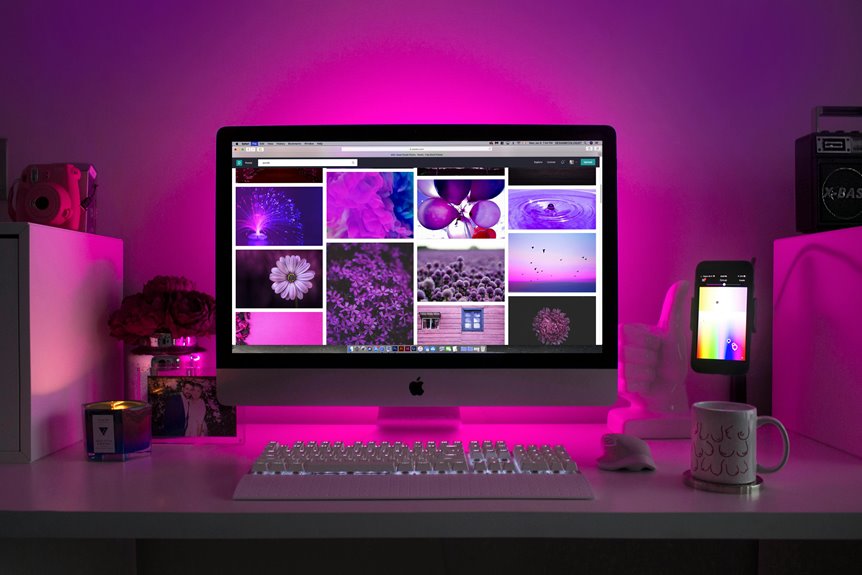
When it comes to creating a healthy workspace, the right lighting can make all the difference. You might not realize how much lighting affects your mood and productivity until you experience a well-designed environment. From natural light to smart solutions, understanding these principles can enhance your well-being at work. So, what are the key elements that contribute to an effective lighting design? Let’s explore the essentials that can transform your work experience.
Key Takeaways
- Incorporate natural light to enhance mood and productivity, reducing reliance on artificial sources.
- Utilize layered lighting techniques to create a balanced environment, minimizing eye strain and enhancing comfort.
- Choose appropriate color temperatures, such as cool light for concentration and warm light for creativity, to influence work performance.
- Implement smart lighting solutions for adjustable brightness and color, promoting flexibility and adaptability throughout the workday.
- Ensure proper contrast and brightness levels to foster an inviting workspace that supports overall well-being and efficiency.
Understanding the Importance of Lighting in the Workplace
When you think about creating a productive workspace, lighting often takes a backseat, but it plays an essential role in your overall well-being and efficiency. Proper lighting can reduce eye strain, enhance focus, and elevate your mood.
When you’re in a well-lit environment, you’re more likely to feel energized and motivated, which directly impacts your productivity. Poor lighting, on the other hand, can lead to fatigue and distraction, making it harder to concentrate on tasks.
Types of Lighting: Natural, Ambient, Task, and Accent
When you think about lighting in your workspace, consider the powerful impact of natural light.
It not only boosts your mood but also enhances productivity.
Coupled with effective task lighting techniques, you can create an environment that supports both focus and well-being.
Natural Light Benefits
Natural light transforms a workspace, offering numerous benefits that enhance well-being and productivity. When you harness natural light, you not only brighten your environment but also improve your overall mood and focus.
Here are some key advantages:
- Boosts Mood: Exposure to natural light helps increase serotonin levels, reducing feelings of stress and anxiety.
- Enhances Productivity: Studies show that employees in well-lit spaces tend to be more efficient and engaged in their tasks.
- Supports Eye Health: Natural light can reduce eye strain, making it easier to work for longer periods without discomfort.
- Regulates Sleep Patterns: Exposure to daylight helps maintain a healthy circadian rhythm, promoting better sleep at night.
Embracing natural light can greatly elevate your workspace experience.
Task Lighting Techniques
Effective task lighting is essential for creating an efficient workspace, as it directly impacts your ability to focus and perform tasks.
To enhance your productivity, consider using adjustable desk lamps that direct light precisely where you need it. LED lights are energy-efficient and provide bright, clear illumination without straining your eyes.
Position your task lighting to minimize shadows and glare on your workspace. If you’re working on detailed tasks, opt for a light with a color temperature around 4000K to 5000K, which mimics daylight and helps maintain alertness.
Additionally, consider using under-shelf lighting to brighten your work area without taking up valuable desk space.
The Impact of Color Temperature on Mood and Productivity
How does the color temperature of your workspace lighting affect your mood and productivity? The answer lies in how different temperatures evoke distinct psychological responses.
Warmer tones create a cozy atmosphere, promoting relaxation, while cooler tones enhance alertness and focus. Choosing the right color temperature can greatly influence your work performance.
- Warm light (below 3000K) fosters comfort and creativity.
- Neutral light (3000K – 4000K) balances focus and comfort, ideal for collaborative tasks.
- Cool light (above 4000K) boosts concentration and is perfect for tasks requiring high attention to detail.
- Daylight (5000K – 6500K) can increase energy and productivity, mimicking natural sunlight.
Balancing Brightness and Contrast for Optimal Comfort
To create a comfortable workspace, you need to balance brightness and contrast effectively.
Utilizing natural light and layered lighting techniques can greatly enhance your environment.
Importance of Natural Light
While artificial lighting can create a pleasant atmosphere, nothing compares to the benefits of natural light in a workspace.
By incorporating natural light, you’re enhancing not only the aesthetic appeal but also your overall well-being.
Here are some key advantages to contemplate:
- Improved Mood: Exposure to daylight can elevate your mood and reduce feelings of stress.
- Enhanced Productivity: Natural light boosts alertness, helping you stay focused and productive throughout the day.
- Better Health: It regulates your circadian rhythm, promoting better sleep patterns and overall health.
- Visual Comfort: A well-lit space with natural light reduces glare and eyestrain, making it easier to work for extended periods.
Embracing natural light in your workspace can lead to a healthier, more enjoyable environment.
Layered Lighting Techniques
Creating a comfortable workspace isn’t just about having a single light source; it involves employing layered lighting techniques that balance brightness and contrast. By combining ambient, task, and accent lighting, you can create a dynamic environment tailored to your needs.
| Lighting Type | Purpose |
|---|---|
| Ambient | General illumination |
| Task | Focused activities |
| Accent | Highlight features |
| Natural | Boost mood and energy |
Using these layers, you’ll reduce eye strain and enhance your overall comfort. Ambient lighting sets the stage, while task lighting illuminates specific areas for work. Accent lighting adds depth and visual interest, making your workspace feel inviting and productive.
Adjusting Light Levels
Adjusting light levels is essential for maintaining a comfortable and productive workspace. You’ll want to find the right balance of brightness and contrast to reduce eye strain and enhance focus.
Here are some tips to help you achieve ideal lighting:
- Use dimmable fixtures to customize brightness based on tasks or time of day.
- Incorporate natural light whenever possible, as it boosts mood and productivity.
- Utilize task lighting for specific areas, ensuring you don’t rely solely on overhead lights.
- Consider color temperature, aiming for cooler tones during the day and warmer tones in the evening to promote relaxation.
Incorporating Smart Lighting Solutions for Flexibility
As you explore ways to enhance your workspace, incorporating smart lighting solutions can greatly boost flexibility and well-being.
These systems allow you to adjust brightness and color temperature easily, adapting to different tasks or moods throughout the day. With smart controls, you can program lighting schedules, ensuring ideal illumination whenever you need it.
Adjust brightness and color temperature effortlessly to suit your tasks and moods, ensuring optimal lighting throughout your day.
Imagine having the ability to switch between bright, energizing light for morning meetings and softer, warmer tones for afternoon brainstorming sessions.
Additionally, voice-activated options or smartphone apps let you control your environment effortlessly, promoting a sense of comfort and control.
Tips for Designing a Lighting Plan That Promotes Well-Being
To design a lighting plan that promotes well-being, you should consider the natural rhythms of your workspace. Start by evaluating how much natural light enters your space throughout the day.
Incorporate a mix of ambient, task, and accent lighting to create a balanced environment. Aim for adjustable lighting options that adapt to various activities, and choose color temperatures that mimic daylight to enhance mood and alertness.
Here are some key tips to keep in mind:
- Use dimmable fixtures to adjust light levels easily.
- Position workstations near windows for ideal daylight exposure.
- Implement warm lighting in relaxation areas to encourage calmness.
- Regularly reassess your lighting plan to adapt to changing needs.
Frequently Asked Questions
How Does Lighting Affect Employee Health and Well-Being?
Lighting greatly impacts your health and well-being. It influences your mood, energy levels, and productivity. Proper lighting helps reduce eye strain, enhances focus, and can even improve your overall mental state throughout the workday.
What Are the Costs Associated With Implementing Smart Lighting?
Implementing smart lighting can involve upfront costs for technology installation and ongoing maintenance. You’ll also need to evaluate potential energy savings, which could offset those costs over time, improving your overall budget efficiency.
Can Lighting Design Reduce Absenteeism in the Workplace?
Absolutely, effective lighting design can greatly reduce absenteeism in the workplace. When you create a well-lit environment, you enhance comfort and productivity, leading to happier employees who are less likely to call in sick.
How Often Should Lighting Be Updated or Changed?
You should update your lighting every 5 to 7 years, as technology and efficiency improve. Regularly evaluate the conditions too; if you notice flickering or dimness, it’s time to refresh your lighting setup.
What Regulations Exist Regarding Workplace Lighting Standards?
You’ll find various regulations governing workplace lighting standards, including OSHA guidelines and ANSI recommendations. These rules guarantee adequate illumination, reduce glare, and promote safety, helping you create a comfortable and productive environment for everyone involved.